
- Date of visit: April 28 2026
- Post office visited: General Post Office in Maseru
- Cost of sending postcard: 10 maloti
- Postcards available at: Basoto Hat gift shop in Maseru
- Delivery time: To early to say, will be updated
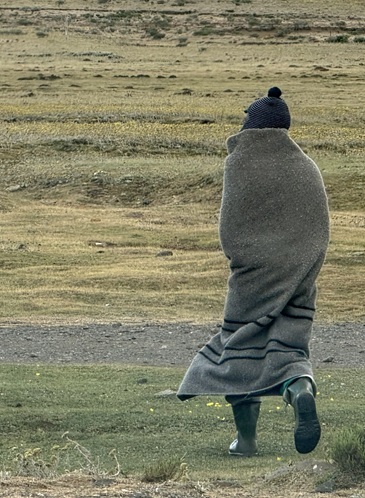
Lesotho is a small landlocked kingdom entirely surrounded by South Africa, one of only three countries in the world to be completely enclosed within another. It is a constitutional monarchy, ruled by King Letsie III, and home to the Basotho people, known for their distinctive blankets and cone-shaped hats.
Postal history here goes back to 1880, when the first stamps used were those of the Cape of Good Hope, later replaced by South African stamps in 1910. As the British protectorate of Basutoland, the country issued its own stamps from 1933. When independence came in 1966, the existing Basutoland stamps were simply overprinted with “Lesotho”. Today, Lesotho Post operates 46 post offices across the country, according to information on its Facebook page, with headquarters in the capital, Maseru.
Our experience in Lesotho
Before reaching Lesotho, there was one small matter to take care of first: the longest race of my life so far. I have mentioned before that I try to fit something sporty into every trip, preferably every country, to balance out the rather nerdy habit of visiting post offices.
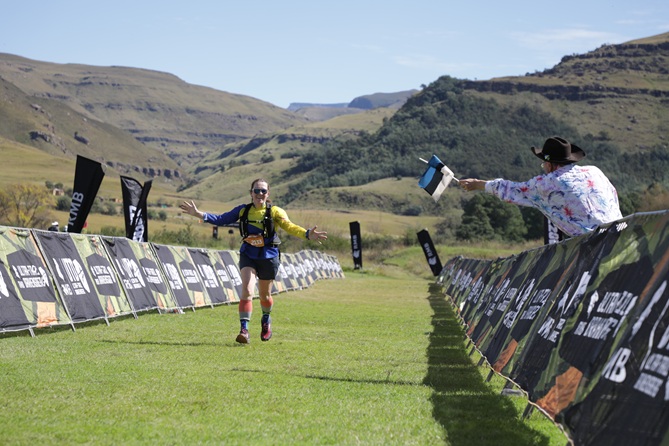
While planning the trip, I discovered that with good timing our route would pass through the Drakensberg National Park, not far from the Sani Pass border crossing into Lesotho, exactly when the Drakensberg Ultra Marathon was taking place. The longest distance was 160 km and even crossed the border into Lesotho. Since my previous longest run had only been 15 km, I chose what still felt like a completely unreasonable challenge: 25.5 km with nearly 900 metres of elevation gain.
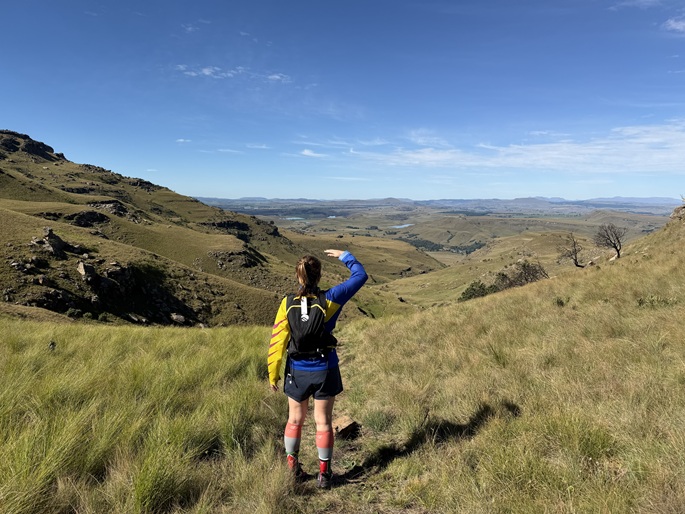
Three months before the trip, I started training properly. Estonia is not exactly ideal preparation considering the country’s highest point reaches only 318 metres, and I do not even live in the hilly part of the country. Visiting Saint Helena earlier during the same trip had already given me a taste of what real hills feel like, and my panic before the race only grew.
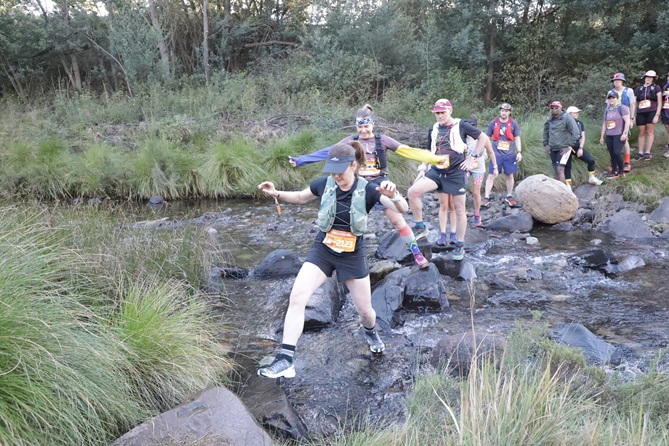
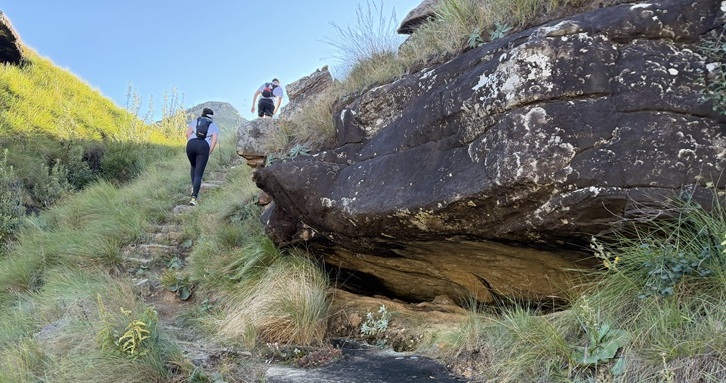
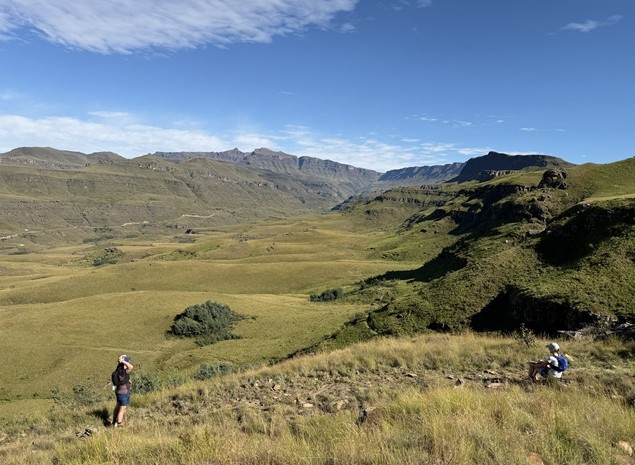
On the morning of the race, however, the panic disappeared almost as soon as the run began. The route was breathtakingly beautiful, varied, and for me extremely difficult. But I finished, without injuries, which honestly mattered far more to me than the final time.
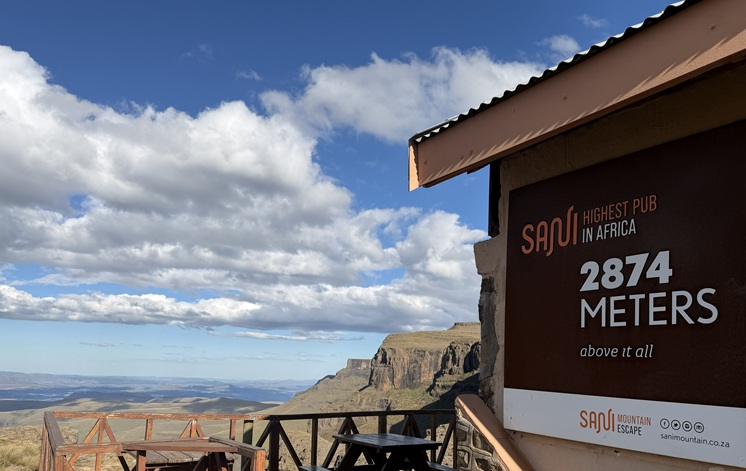
After the race, we entered Lesotho by car via the Sani Pass. As a reward, we stayed at a lodge near the border that proudly claims to have the highest pub in Africa.
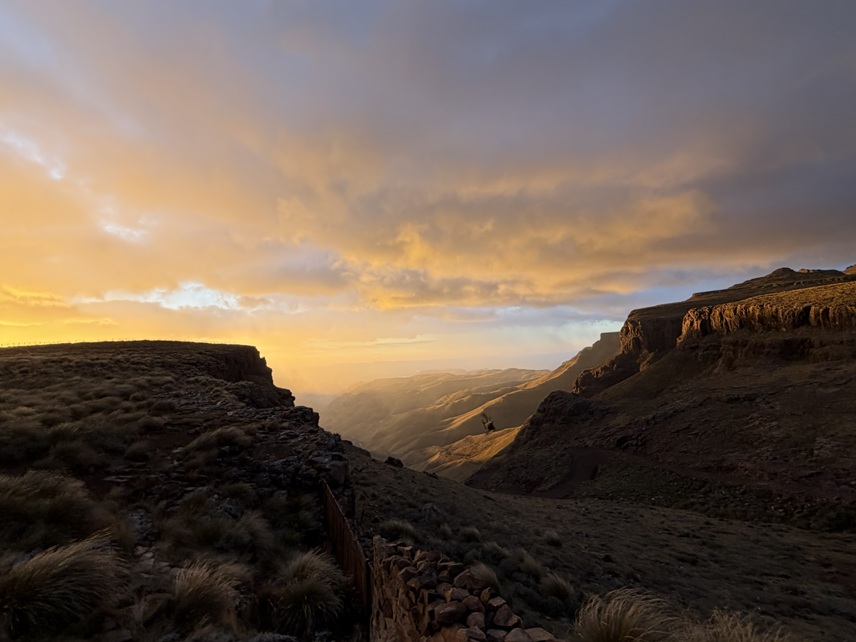
One could argue that none of this has much to do with sending postcards. For me, however, it did. You can probably imagine that during the three days we had planned for Lesotho, I had no desire to climb or run anywhere else and fully enjoyed everything connected with postcard sending instead.
The following morning, after our overnight stay near the Sani Pass border crossing, we drove towards the capital on the other side of the country. Lesotho’s lowest point lies at around 1,400 metres above sea level, giving it the unusual distinction of having the world’s highest lowest point. With two-thirds of the country covered by mountains, this translated into breathtaking views and pleasantly cool weather throughout our stay.
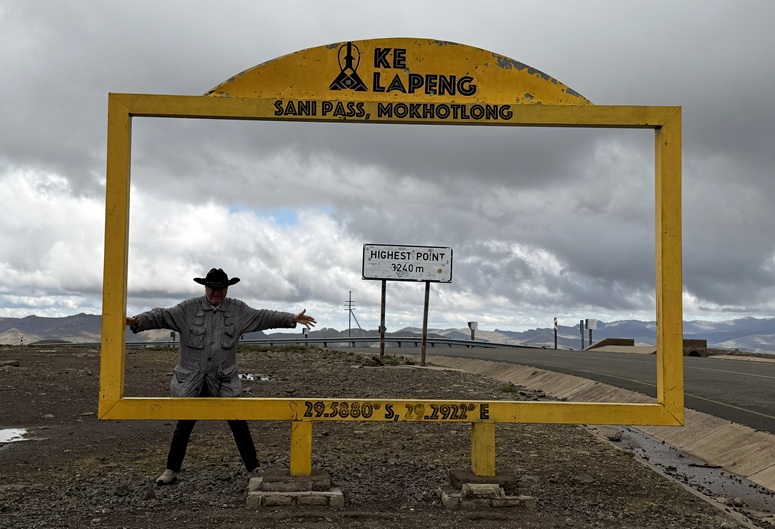
The road did not really cut through the country so much as circle around it, and whenever we reached a larger settlement, we tried to find the local post office. Google Maps was of limited assistance. Far more useful was the PixPost app.
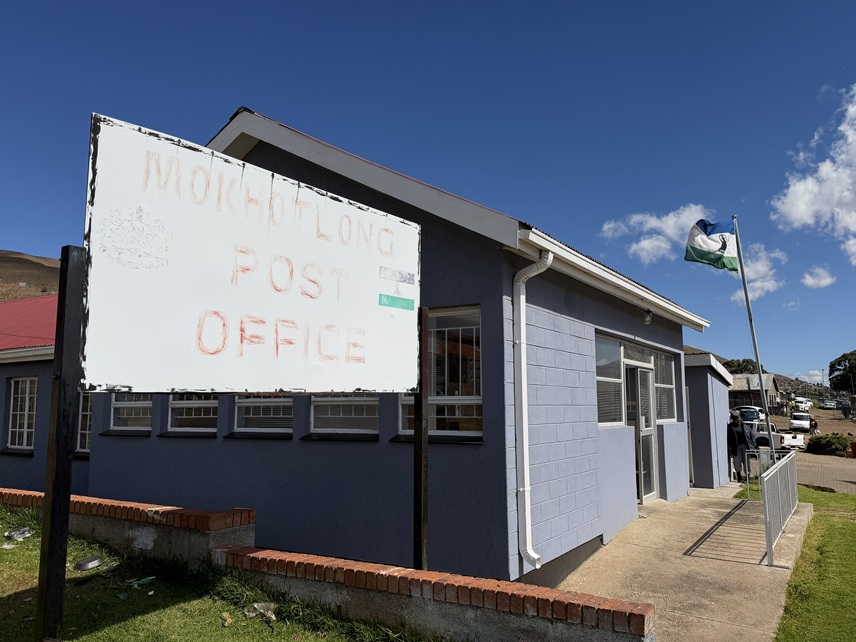
The first post office we visited was in the town of Mokhotlong. A small detour from the main road turned out to be much longer than expected because the town stretches endlessly along a rough, potholed road. The post office itself was at the far end of town. It was worth the effort though: a small charming building right next to the police station, and an even more charming postal clerk.
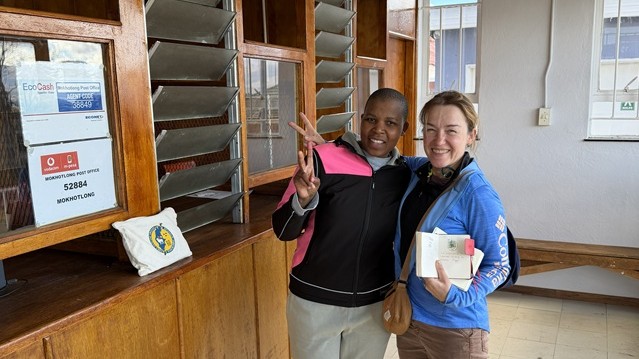
Since we again had no advance information about postcard rates, we asked the price. The clerk confidently told us that sending postcards anywhere in the world cost 5.80. It sounded unbelievably cheap, but acceptable enough. We sent several postcards from there, including some through Postcrossing, and continued towards the capital.
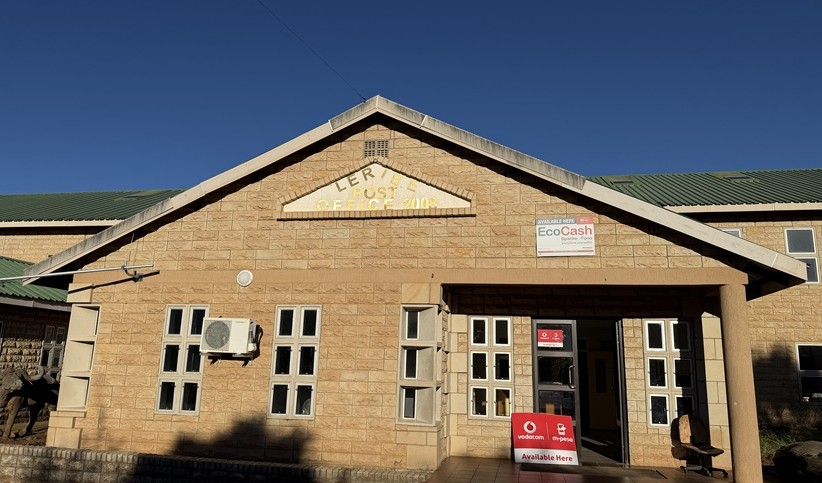
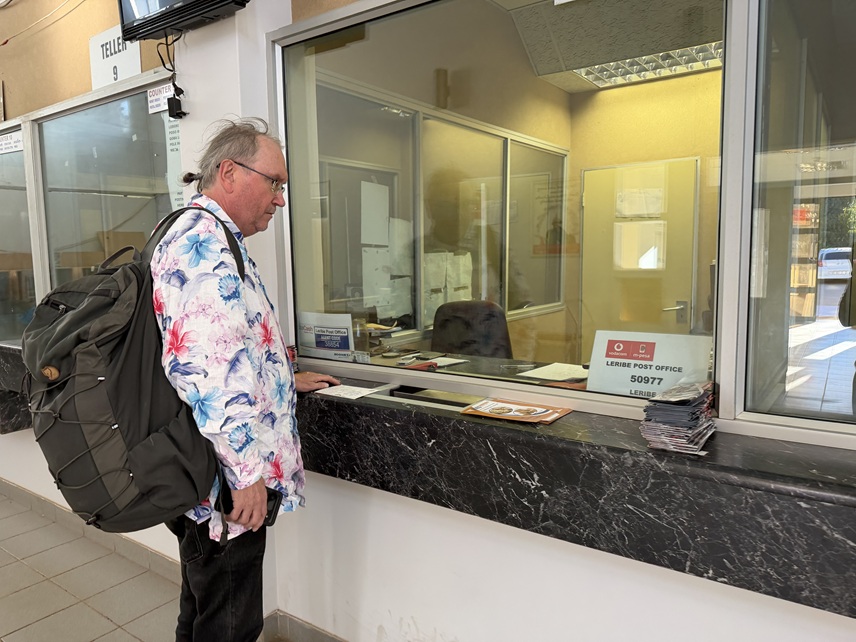
Our next postal stop was in the town of Leribe. The post office was housed in a large building, where a bored-looking clerk informed us that the correct postcard rate was actually 20 maloti. That was different and unexpected. We added 20 maloti worth of stamps to the few cards we mailed there and decided that the final answer to the postage question would have to come from the capital, Maseru.
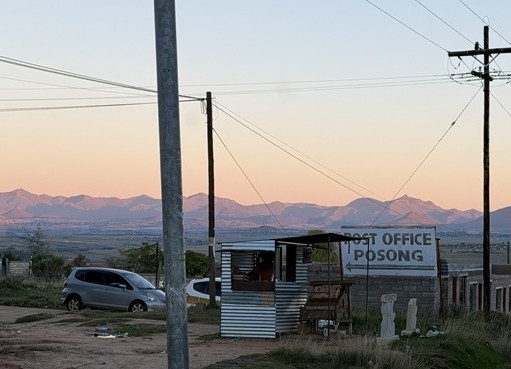
We arrived in Maseru after dark that evening. The next morning, naturally, our first stop was the main post office.
The building was large and multi-storey. On the ground floor, once staff realised we were interested in special stamps, we were sent upstairs to the philatelic department, though not before being firmly informed that all mail was processed downstairs and that postcard postage to anywhere in the world cost 10 maloti.
Wait, what? But some of our cards were already on their way. Underpaid.
Apparently yes.
The clerk simply shrugged and pointed us upstairs.
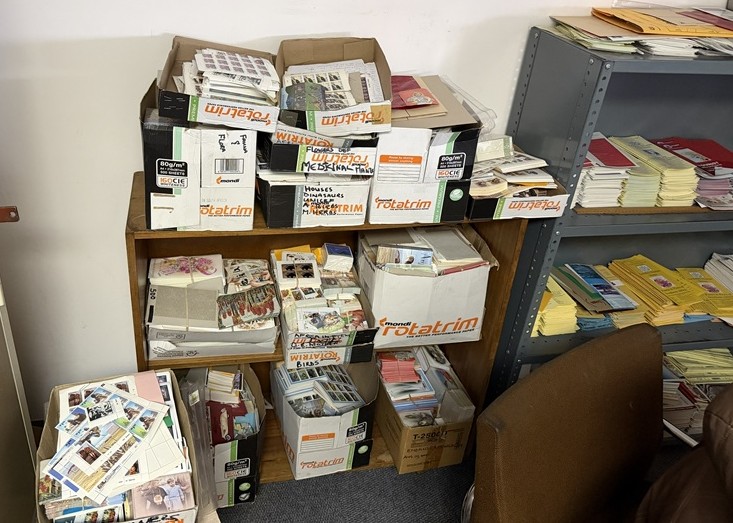
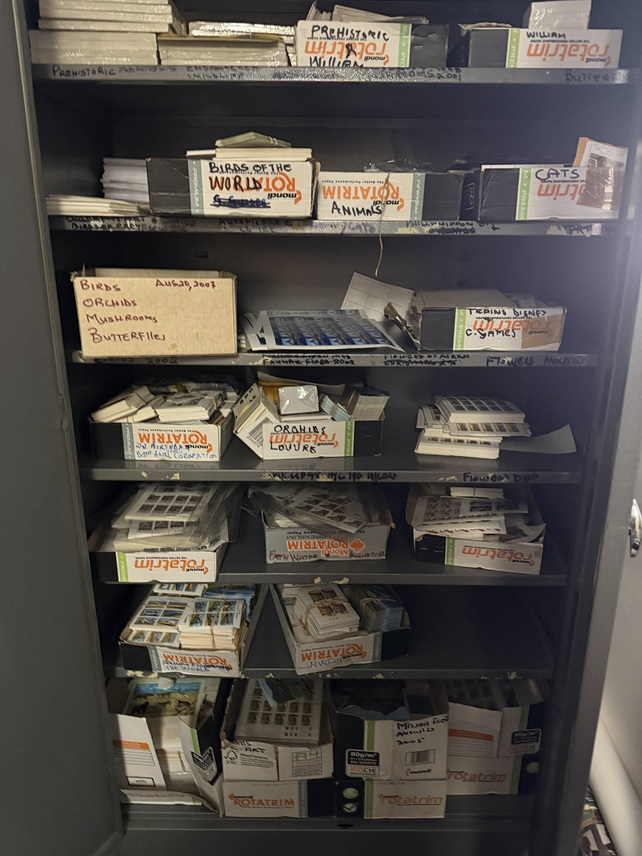
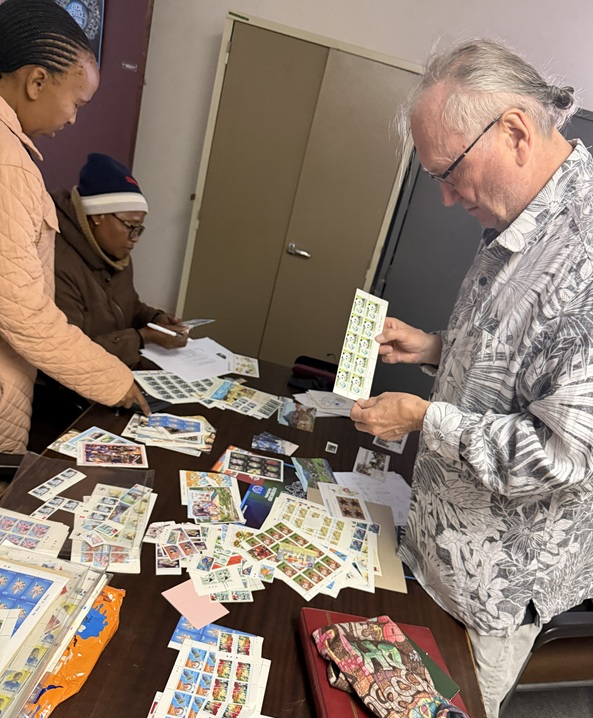
What awaited there was paradise for stamp lovers. Stamps were everywhere: in boxes, drawers and cabinets. Rather than asking the staff to search for us, we ended up digging through the shelves ourselves and moving boxes around. They also had a postcard rate list, which claimed the correct rate was 7 maloti. Having already received several different answers, we decided not to take any chances and added at least 10 maloti worth of stamps to everything we sent from the capital.
It would have been easy to lose track of everything among so many stamps, but we still remembered to ask about the cards from Mokhotlong. We were told not to worry. If they had already left the town, they would make their way to the capital and from there continue via Johannesburg. Just in case, we agreed that if any of the Postcrossing recipients never received a card, we would send another one from some equally unusual corner of the world.
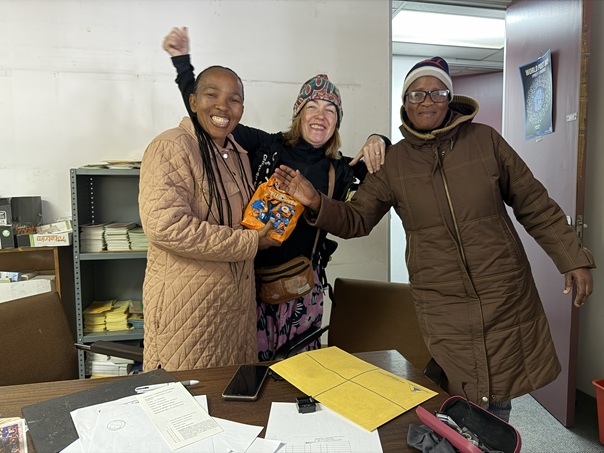
The next day we returned once more so the postcards could be hand-cancelled before departure. By then, we had spent enough time with the philatelic department to exchange small gifts before saying goodbye. They told us we should really come back one day. Although Lesotho still has many beautiful stamps, the number of people who truly appreciate them has declined over the years.
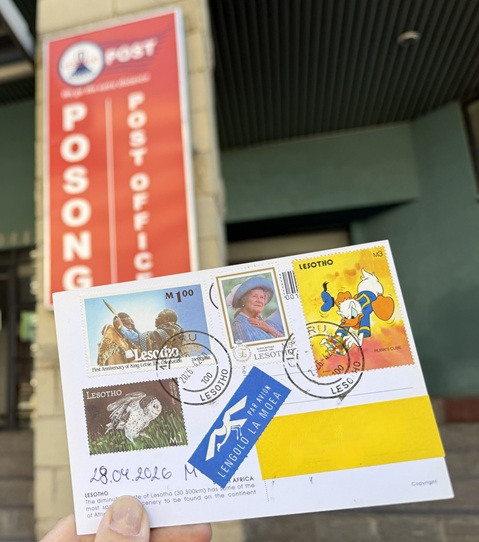
By the time it was time to leave Lesotho, we had realised that although this high-altitude kingdom, where I once again failed to meet a king, was cool in temperature, the attitude we encountered everywhere was exceptionally warm.
For everyone who took part in the postcard lottery, all cards were sent from the capital. And for those who supported the project with a donation, I also photographed the postcards before mailing them. If the wait becomes too long, I am happy to send the pictures.
Until the next post office in the next country.
If you’d like to read future entries from this post office diary, you can subscribe here.
 Exploring the Unexpected