
- Visit date: November 25 2014
- The visited post office: Posta Uganda, Kampala Road, Kampala
- Update from February 2026 Clock Tower Post Office, Kampala
- Cost of sending mail: internationally 1700 (less then 0,50 Eur)
- Update from February 2026: 4800 to Europe, 7500 to Asia, North America
- Postcard availability: Hotel gift shop
- Postcard delivery time: fastest to Germany and Belgia – less then two weeks
Update story from February 2026 at the end.
A bit of Uganda’s postal history
Uganda’s postal story began in the colonial era. In 1895, missionaries printed the now-legendary “Uganda Cowries” stamps — simple typewritten labels on thin paper, today prized by collectors. By 1903, Uganda was part of the joint postal system of British East Africa, later issuing shared stamps with Kenya and Tanganyika until the 1970s.
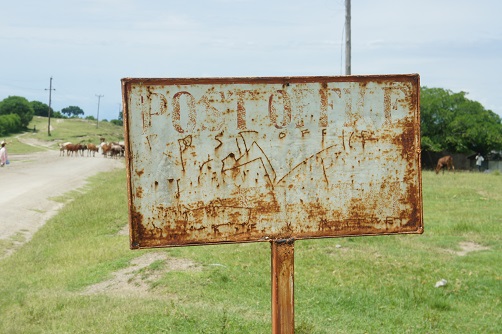
The modern national service emerged in 1951 under the East African Post & Telecommunications framework, evolving into Uganda Posts and Telecommunications Corporation in 1983. A major reform in 1997 separated postal operations into Posta Uganda Limited, still state-owned but operating with commercial flexibility.
Today, Posta Uganda runs more than 300 post offices and over 70,000 mailboxes nationwide. Alongside letters and parcels, they handle express mail, money transfers, e-government services, and even virtual postal addresses — bringing a 19th-century institution into the digital age.
References: Wikipedia https://ugapost.co.ug/, ebola-outbreak
Our vist to Uganda:
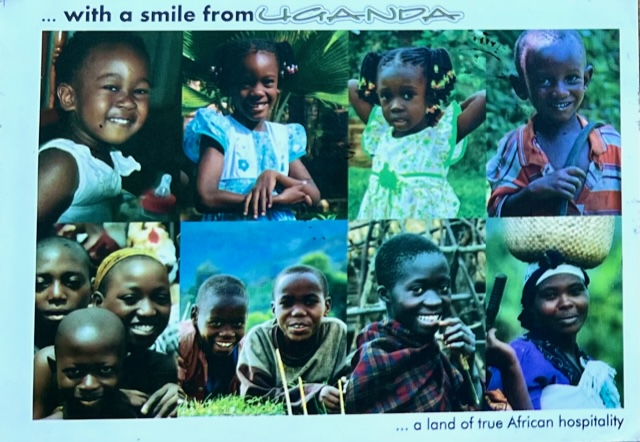
When we visited Uganda in November 2014, the country felt calm and stable. It wasn’t my first time in Africa – I had been to Tunisia years earlier – but it was my first time visiting an inland African country. President Yoweri Kaguta Museveni had been in power since 1986, and fast-forward to 2025, he’s still the president, gearing up for yet another term.
Back then, Uganda seemed politically steady, but the headlines when we left Europe were coming from far West Africa. The Ebola outbreak had been raging for months in Guinea, Sierra Leone, and Liberia — the largest in history. Uganda was thousands of kilometers away and untouched by the crisis, yet friends back home in Estonia were worried. To them, Africa was Africa, and Ebola felt alarmingly close.
Still, we went ahead with our plans. Because distances in Uganda are huge, we booked our trip through an Estonian travel agency called Albion, who had earned our trust after organizing a successful trip to Iraq two years earlier. Over half of our group of twelve were familiar faces — and they knew us too. They already knew that while Uganda is famous for its wildlife, one of our priorities was to find a post office.
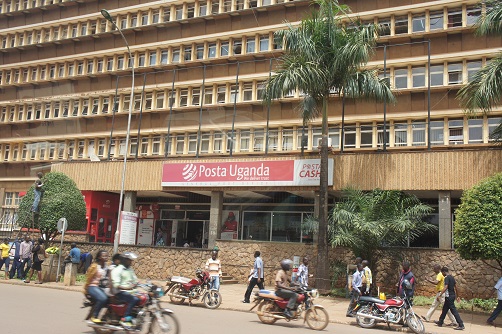
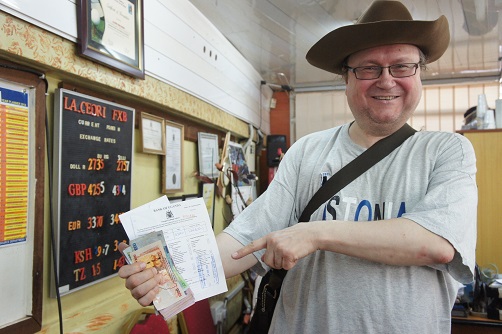
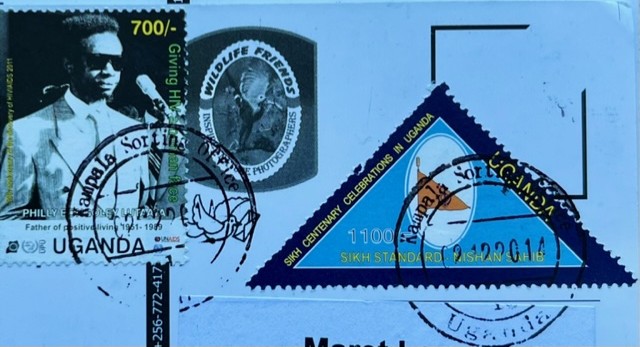
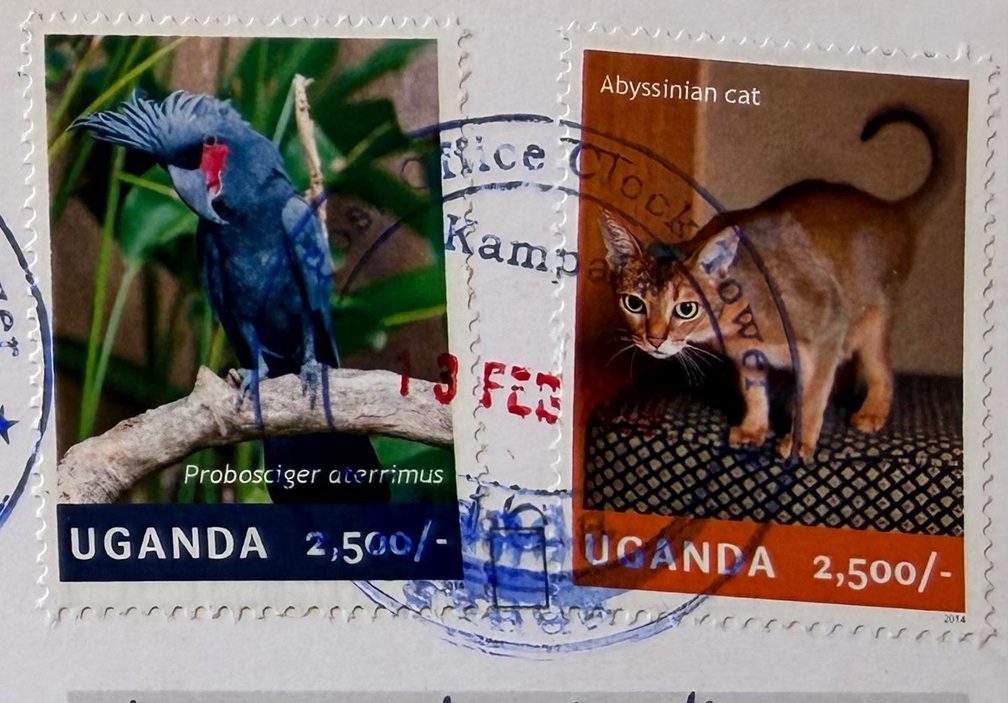
And on those first days, we did just that. A large post office building right in the heart of Kampala was our planned stop. We bought postcards at the hotel’s souvenir shop, and the post office offered a decent selection of stamps. Sending a postcard to Europe cost around 1,700 Ugandan shillings in 2014, but we didn’t just slap on one stamp — we combined several to reach the correct postage. While US dollars were widely accepted across Uganda, at the post office you could only pay in local shillings. We couldn’t cancel the stamps with a date postmark ourselves. As we later found out, the cancellation was done at the sorting center a week later, on December 2, 2014.
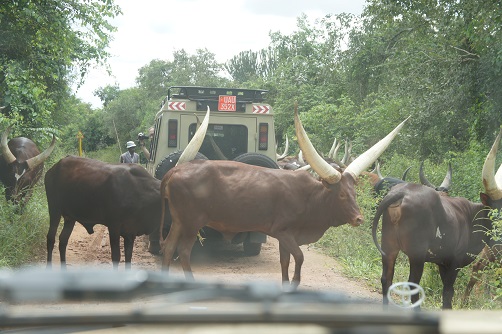
Posta Uganda, the national postal service, also runs a public transportation division called Post Bus Services Limited. These buses depart from the biggest post offices in major cities and towns all over Uganda. But this time, our group decided to travel in one of two safari vehicles, where the driver doubled as our guide.
Besides our postal plans, I contacted Mondo, an NGO near Kampala. Estonians were helping locals start a café employing people with disabilities, and a sewing workshop for women. I packed some donations and, though we didn’t visit the places, I met an Estonian volunteer at a gas station and handed over the support for the children.
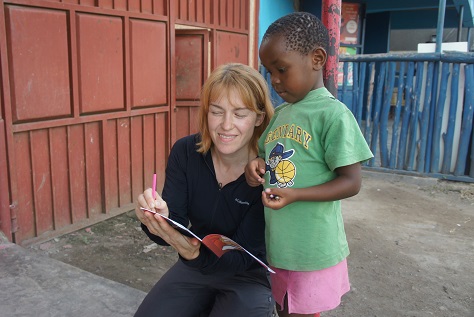
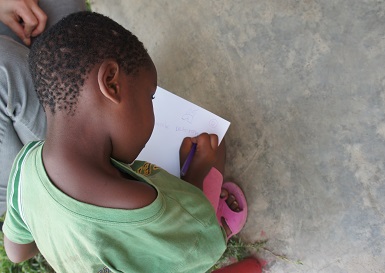
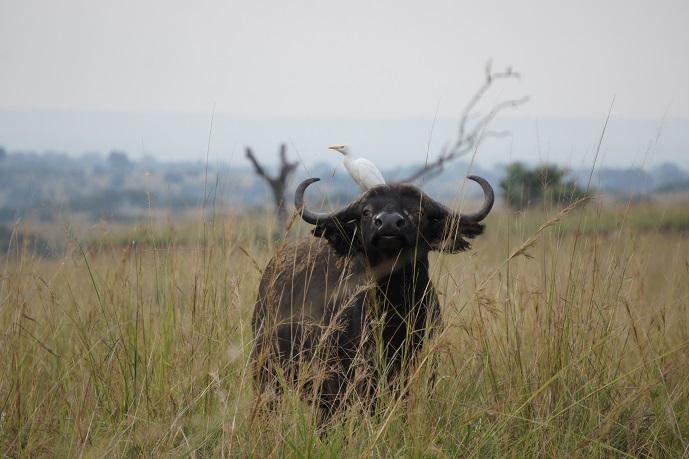
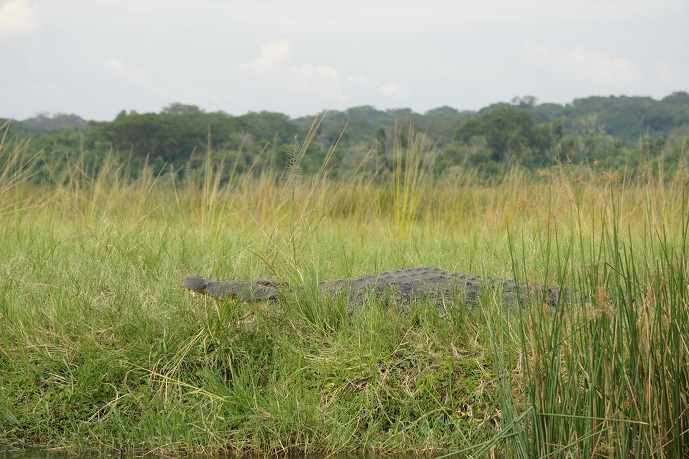
Uganda’s real treasure was its wild beauty, unfolding all around us as we traveled by car. Every view looked like a postcard come to life — only richer, deeper, and more breathtaking than any printed image could capture.
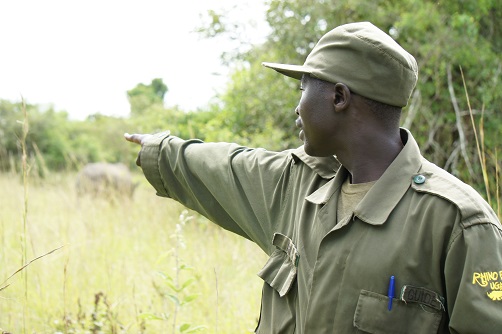
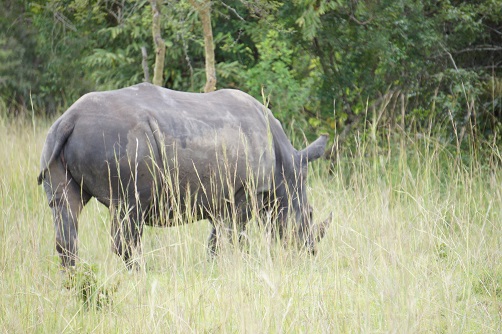
In Uganda’s wild heart, rangers play a vital role in protecting wildlife. At Ziwa Rhino Sanctuary, 40 rangers work to safeguard the country’s 16 remaining rhinos — animals reintroduced after poaching wiped them out locally. They monitor the rhinos day and night, ensuring their safety and helping support the slow but steady recovery of the species.
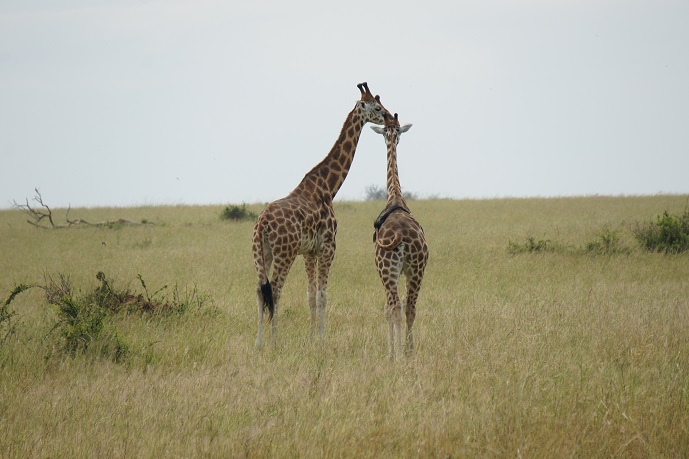

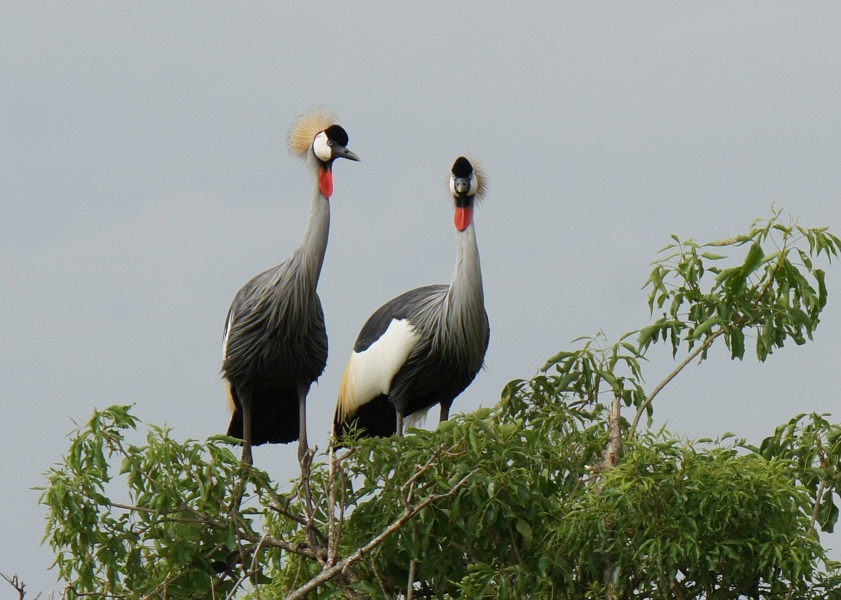
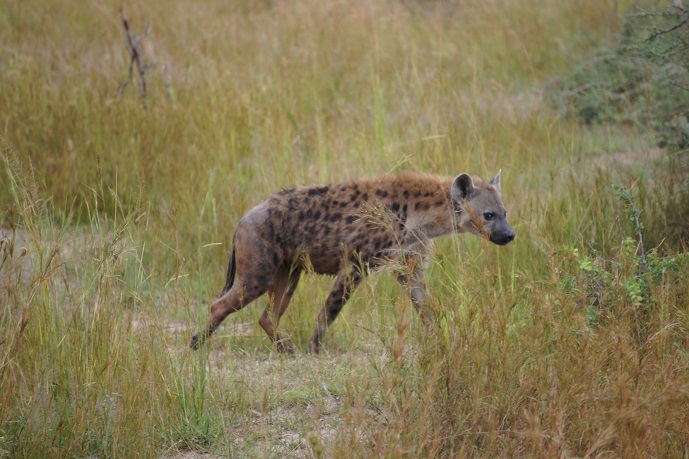
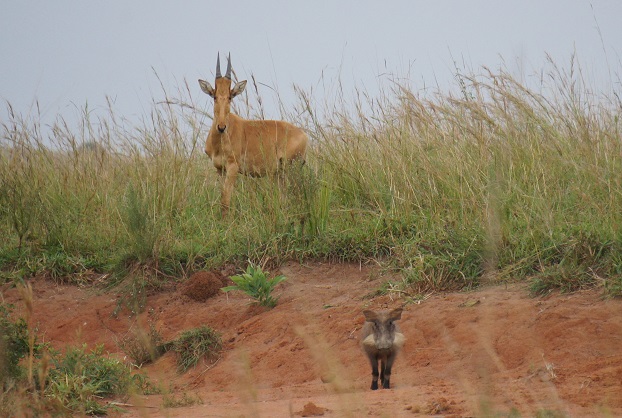
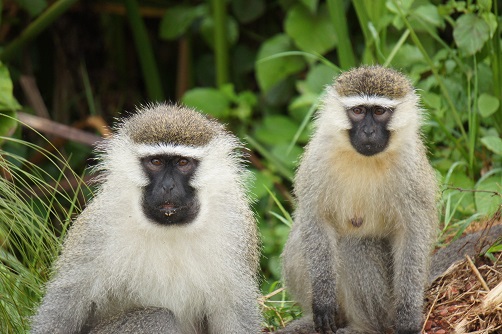
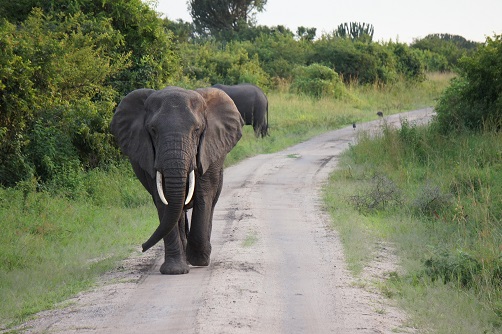
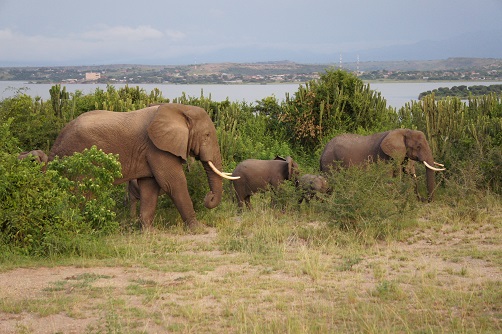

Our adventure in Uganda ended with a border crossing into Rwanda — which meant switching from driving on the left side of the road to the right. But that’s a story for another post.
Update – February 2026
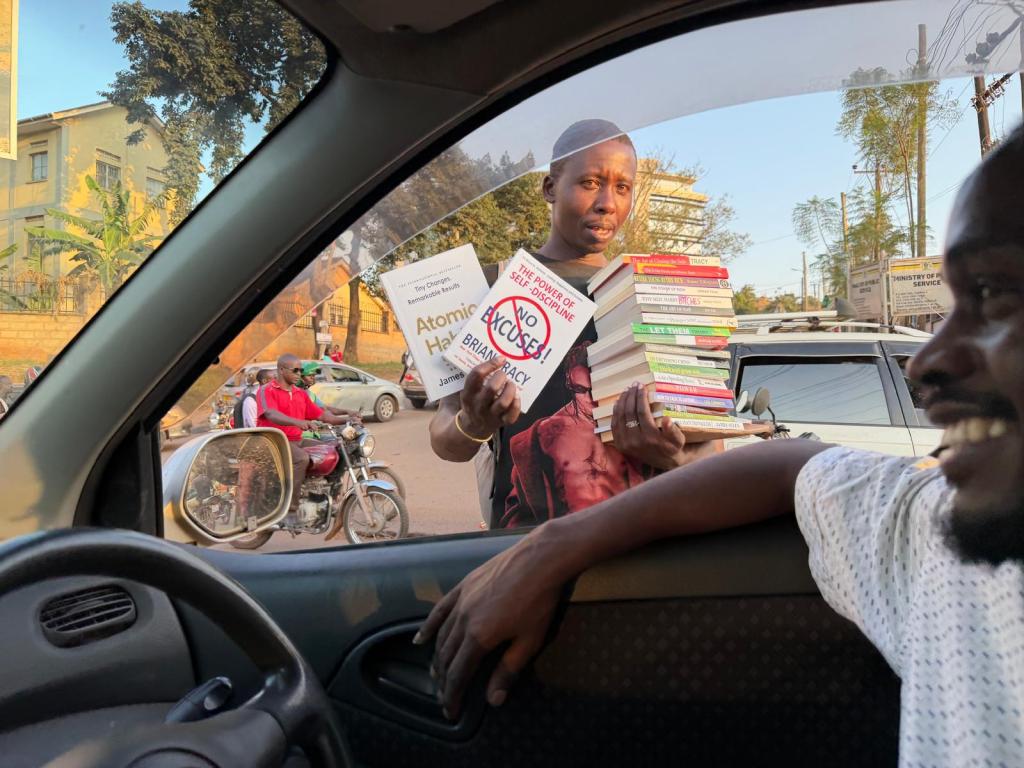
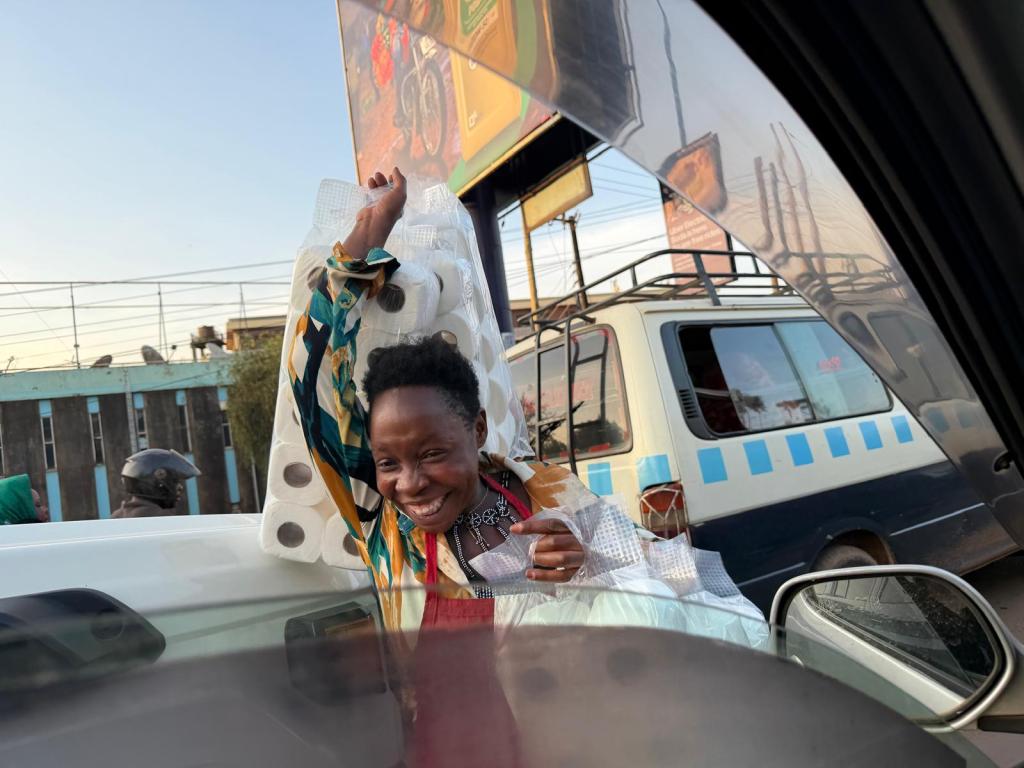
This time in Kampala we stayed only in the capital. Postcards can be found at Benvo Bookshop, about 100 metres from the main post office on Kampala Road, priced at 3,500 UGX each, and also at the craft market—where often more worn cards were offered for even higher prices (4000-10000). Street vendors weaving between cars in traffic sold almost everything from toilet paper to tyres, but postcards were not among their goods.
At the main post office a clerk insisted that, after recent changes, an additional 18% VAT must be paid in cash on top of postage stamps—both for stamps purchased locally and for those we had brought before. He also claimed that cancellations are now applied only at the sorting centre, which he said was not accessible. The date stamp itself, however, was visible on a shelf right behind him. When we asked for a hand cancellation, the answer was simply no.
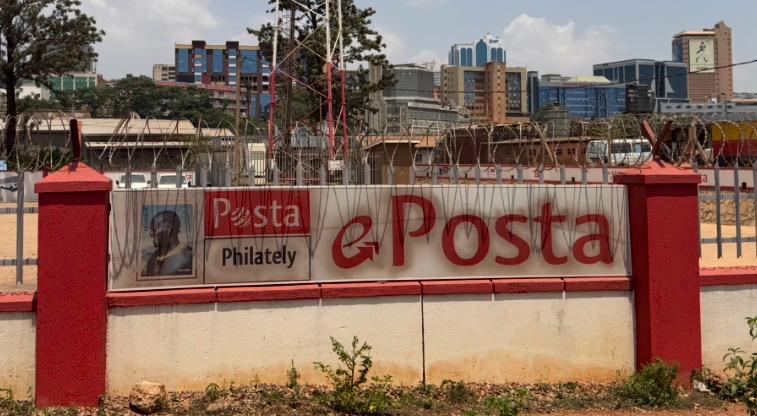
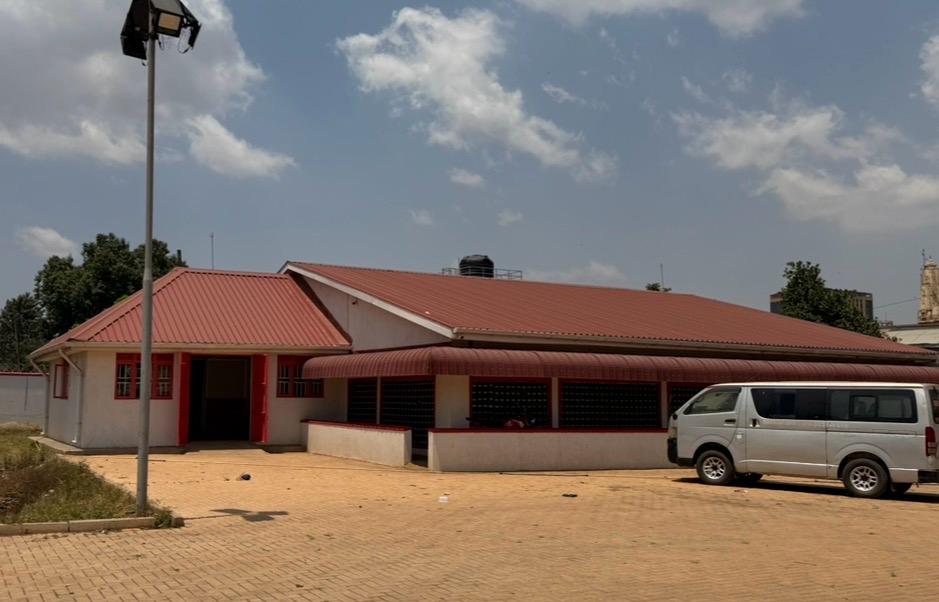
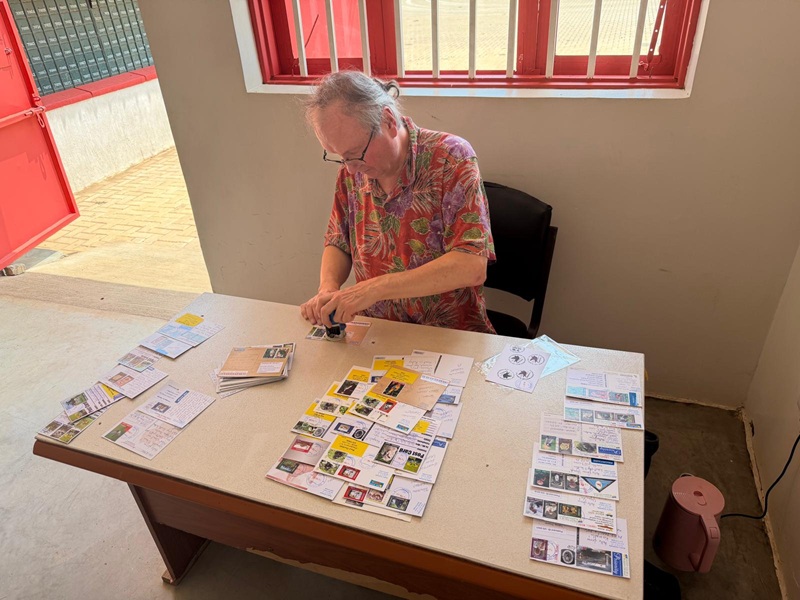
We therefore went to the Clock Tower Post Office a few kilometres away. Stamps were not sold there, but the staff calmly handed us the date stamp and confirmed that the postage already on our postcards was correct. No additional VAT was mentioned there.
Postage rates have clearly increased since our earlier visit, and receiving mail in Uganda still generally requires renting a post office box.
This time I also kept up with my personal travel tradition of trying to do something sporty in every country I visit. In Kampala I ran 10 kilometres in the Valentine’s Day Run organised by Activate Uganda.
If you’d like to read future entries from this post office diary, you can subscribe here:
 Exploring the Unexpected
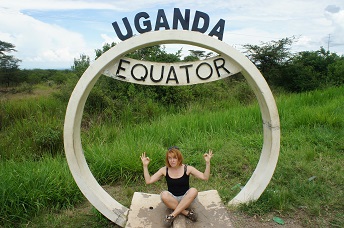
[…] Photo was taken in Uganda. […]
LikeLike