
- Visit date: March 15 2020
- The visited post office: Khartoum Post Office, Gamma Ave
- Cost of sending mail: 50 SDG (0,8 Eur)
- Postcard Delivery Times: As flights out of the country only resumed on August 13th, it took roughly five months and one week for the first postcards to make their way to Europe (firsts to England)
⚠️ Current situation note (December 2025): This visit took place in March 2020. While sending postcards was possible at the time, conditions for travel and postal services have changed significantly since then. Since 2023, armed conflict between the Sudanese Armed Forces and the Rapid Support Forces has disrupted infrastructure, services, and basic systems across the country, a situation reflected in current travel advisories and humanitarian reporting.
A Brief Overview of Sudan’s Postal History

Sudan’s postal system developed in the late 19th century under Anglo-Egyptian rule. The first post office opened in 1867 in Suakin on the Red Sea, followed by offices in major cities across the country.
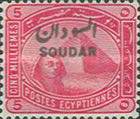
A unique feature of Sudan’s postal history was its use of traveling post offices (T.P.O.s) along the Nile. These boat-operated post offices ensured mail delivery between river settlements. While the exact start dates remain unclear, a postal link existed on the Egyptian-Sudanese frontier as early as 1896–1898. Over time, more than 43 different T.P.O.s were recorded, underscoring the importance of river-based mail transport.
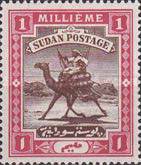
Sudan’s first stamps, issued in 1897, were Egyptian stamps overprinted with “SOUDAN.” Later designs featured desert landscapes and camel postmen, becoming iconic symbols of Sudan’s postal heritage.
Wikipedia, Sudan Postal History, Stampworld
Our Post Office Visit and Beyond in Sudan
Alright, buckle up—this week’s adventure takes us to… the Sudan Post Office! I know, it might seem like a random choice, but trust me, there’s a story here. Exactly five years ago this week, as a wave of emergency declarations swept across the globe in response to the rapidly escalating COVID-19 outbreak, we found ourselves in Sudan. Our original plan after Sudan? Djibouti, Eritrea, and then home. As it turned out, things didn’t go quite as planned.
Let’s rewind a bit. We arrived in Khartoum as part of a ten-person Finnish tour group. Up until that point, despite the worrying headlines in the news, the trip had gone smoothly. We’d had an enriching experience in southern Ethiopia and Somaliland. Even when we left Estonia, the world felt uneasy, but nobody could have fully anticipated the chaos that was about to unfold.
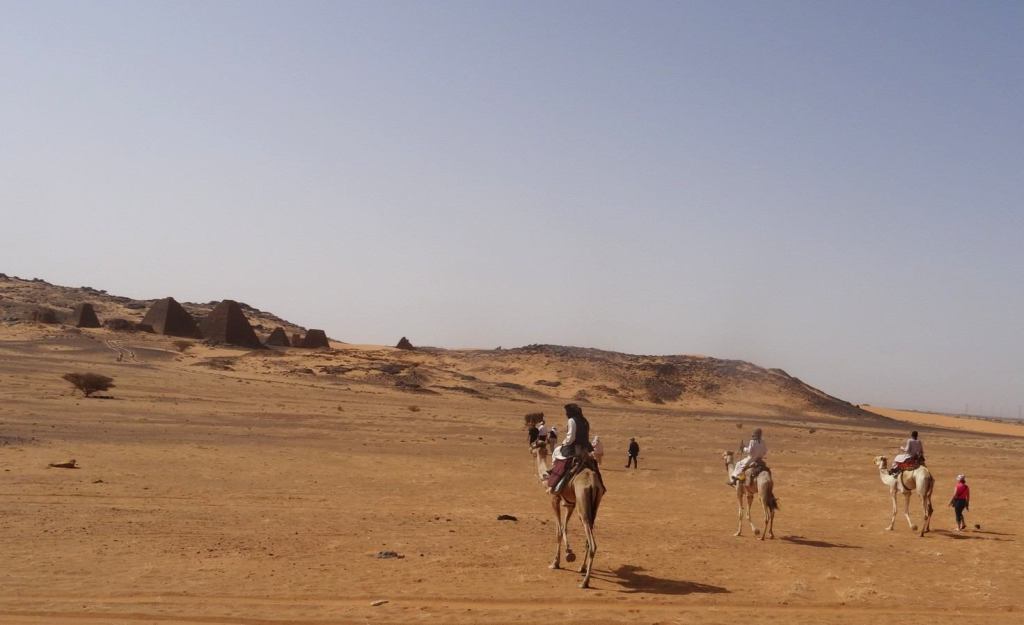
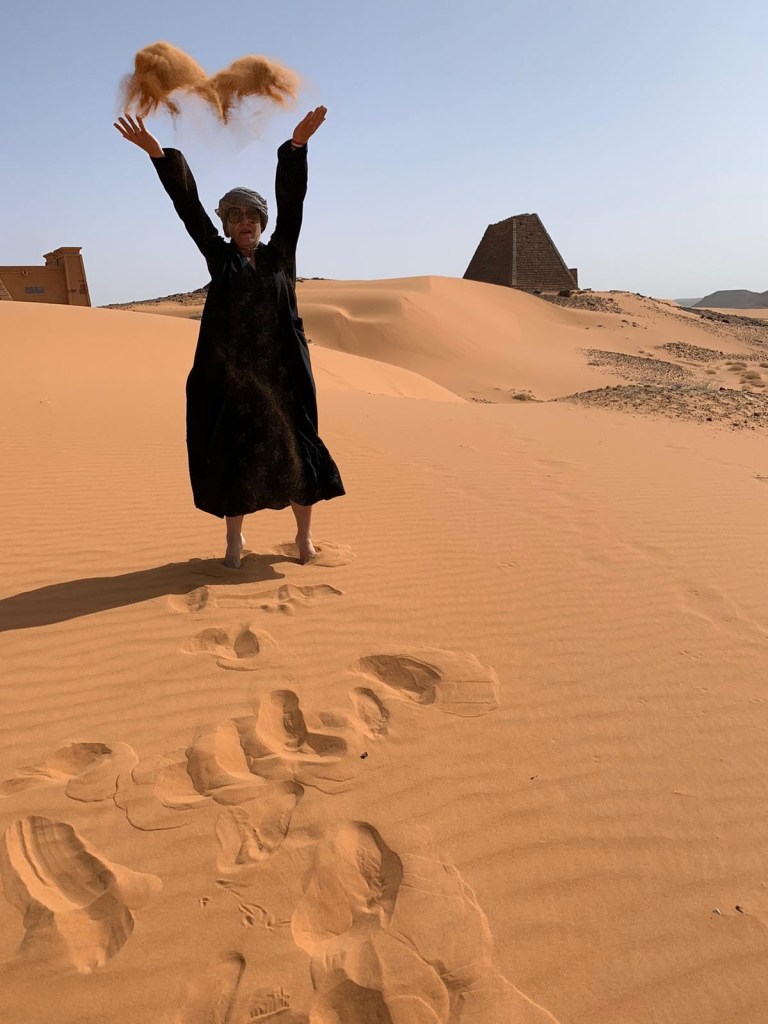
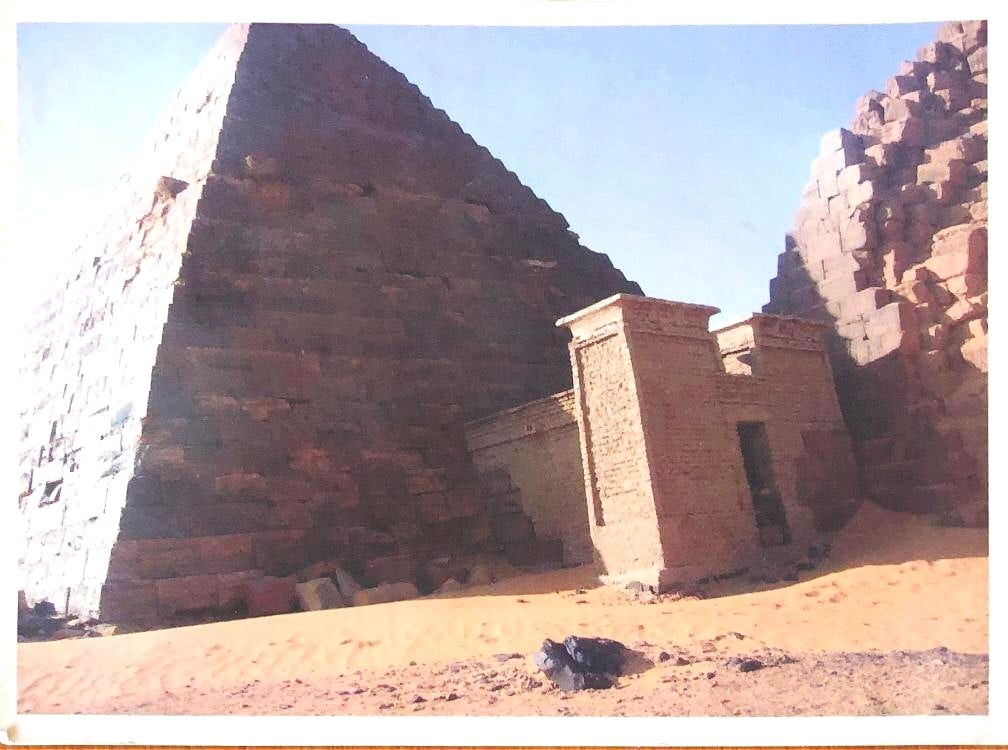
By the time we reached Sudan, our plan was simple: visit the Meroe pyramids and, of course… the post office. On our way back from an overnight trip to the pyramids, the news started to hit hard. We received a message from our next destination (Djibouti) guide: “You’re not welcome.” And soon after, the same grim message appeared from our Eritrea guide. At this point, with news changing almost hourly, we decided to scrap our plans and book our own flights home. And we did—we got tickets for that very evening.
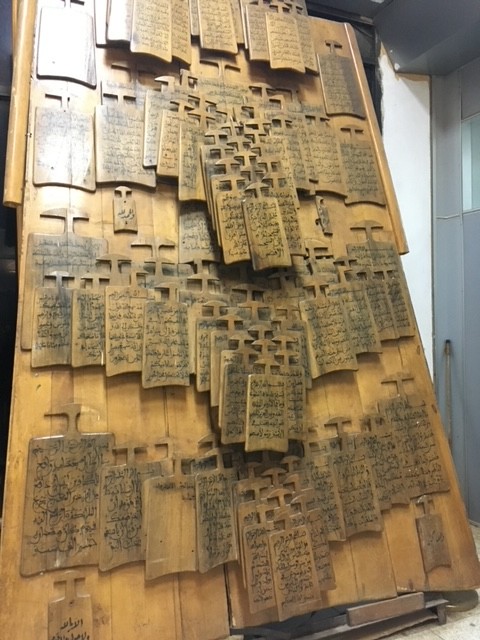
However, when we arrived at the airport, we found it locked down. It had closed two hours earlier. No one in, no one out.
So, we stood there and watched on Flightradar as our Turkish Airlines flight reached the Sudanese border, made a sharp U-turn, and flew back to Istanbul. Later, we learned that the airline had been informed that even if they landed, no one would be allowed to disembark or board. The Turkish Airlines office told us flights were suspended for at least two weeks (which, in reality, turned into months).
Since we had a Swedish traveler in our group, we tried the Swedish embassy. Only he was allowed in, and when he came out, all he could share was: “If anything changes, they’ll let me know.” The Finnish honorary consul Hisham Aboulela also visited us at our hotel. His advice? “Sudanese people are wonderful, and Sudan is a great country. You could just… stay here for a while.”
We also looked into crossing into Egypt by land, but that idea was quickly abandoned—it was far too dangerous, with unstable groups in the region, and even if we made it to the border, there was no guarantee we’d be allowed through. So, we waited. We reassured our families back home, even though we weren’t sure what would happen next. Cash was limited, foreign bank cards didn’t work, and uncertainty was all-consuming. Time moved painfully slow.
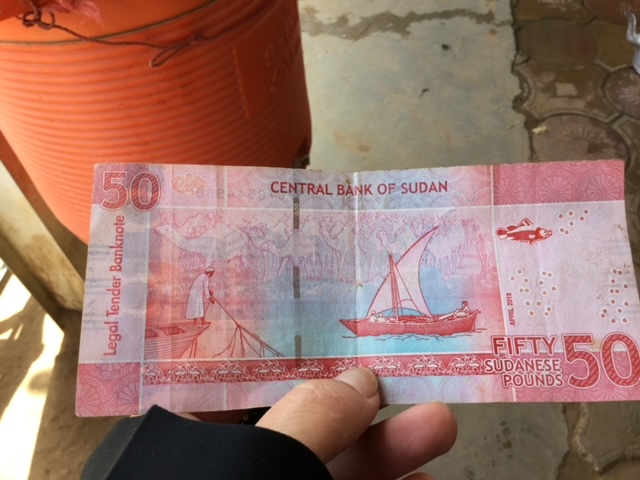
Oh, right—this post was supposed to be about Sudan Post. Well, in all seriousness, the Sudan Post Office became one of the few constants in our lives during those days of uncertainty. Every day, before we found a way out of the country, we walked from our hotel (Khartoum Plaza Hotel) to the post office. By then, we were used to the shouts of “Corona!” from locals along the Nile or being asked if we were from Italy. My go-to response? “There’s no Corona in Sudan!” which, instead of hostility, was usually met with waves and reassurances that, indeed, Sudan was Corona-free.
Apparently, there were only around 40 non-African tourists in the country at the time, and light skin as well as being from Italy automatically meant ‘virus carrier.’
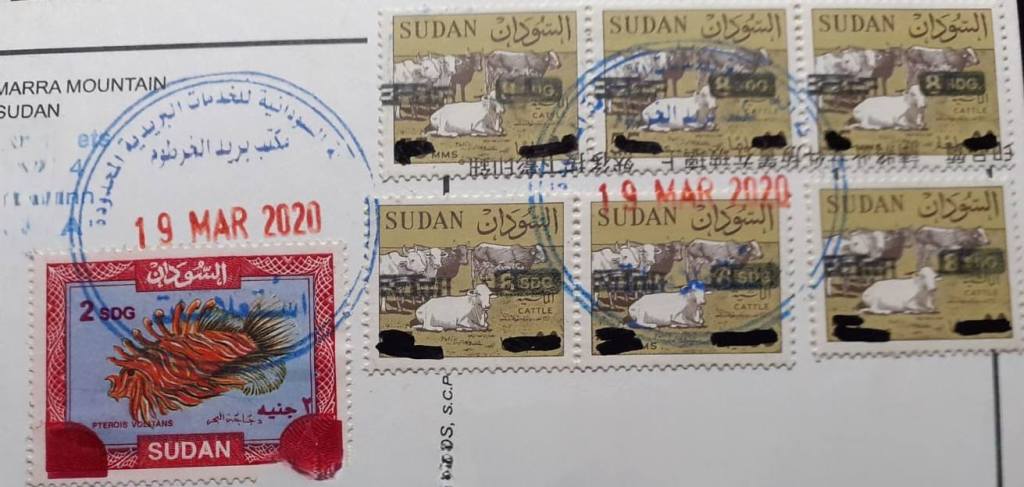
At first, the post office staff kept their distance, but over time, they got used to us. Eventually, they even let us stamp our own postcards—after I made a show of disinfecting the stamp each time, just so they’d see we were doing our best not to spread an imaginary virus. We sorted the postcards ourselves, dropping them into giant bags where they sat for… well, a long time.
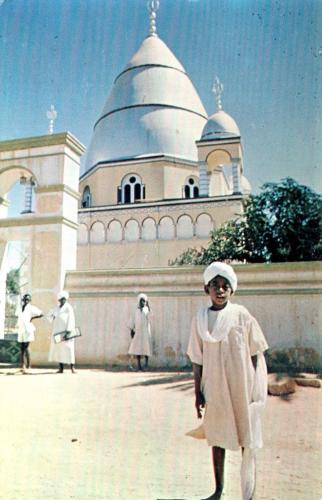

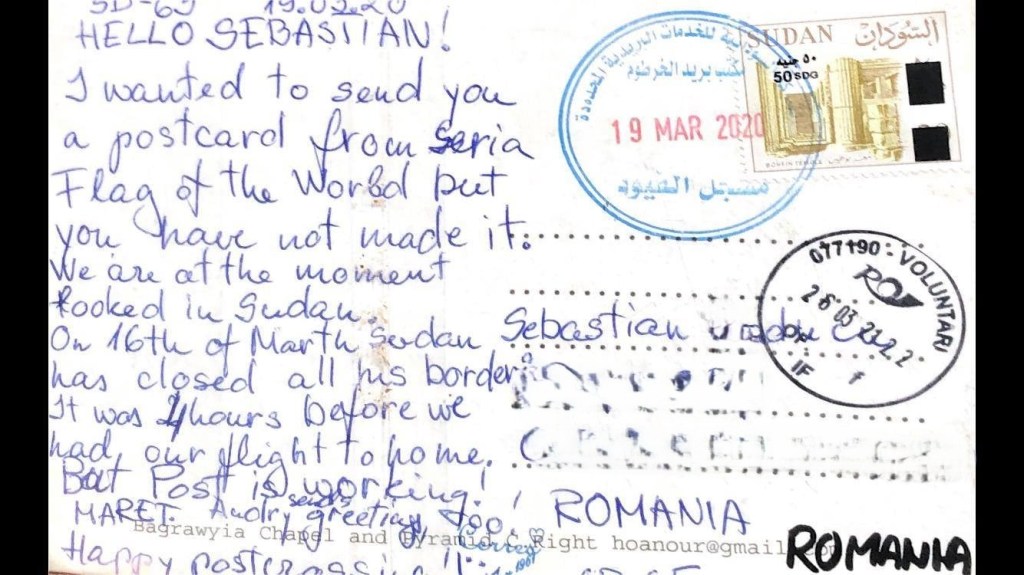
One of these postcards was officially drawn through Postcrossing and was intended for our friend Mihnea’s son. Mihnea is a well-known Romanian designer of popular postcardsmarket postcards. It took a year and five days to reach him—too late to register, but at least finally arrived.
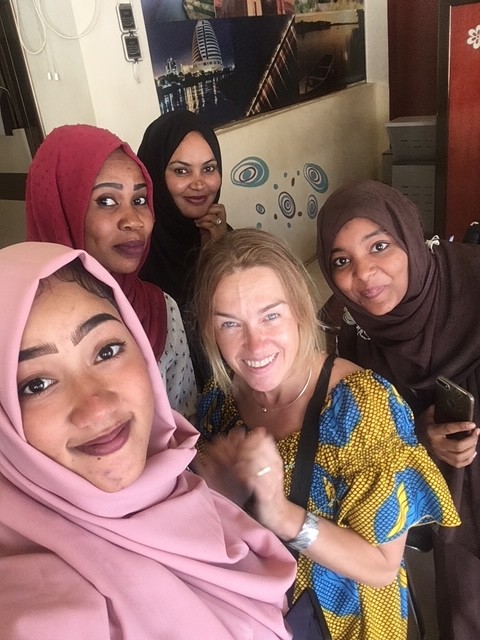
And despite all the stress, those uncertain days had their good moments. For example, my partner Andry, realizing that we weren’t leaving Sudan anytime soon, announced: “We need rules.”
Rule #1: We’re not going to argue with each other.
That was it. That was the only rule. And honestly, it was the only one we needed.
How We Eventually Got Out
After several long and uncertain days with no clear exit options, we realized that waiting was no longer enough. Although an Estonian Foreign Ministry representative stayed in touch by phone and offered moral support, the practical solution ultimately came from within our group. Together, we arranged a private evacuation flight with a few other stranded foreign travelers. The plane flew directly to Helsinki. It was the first aircraft to land at Khartoum Airport after days of complete silence — and the first to depart again.
Although everyone technically had a seat, the aircraft was full, and for such a long flight it felt far from comfortable. Still, the crew did everything they could to make the journey bearable. In the end, Turkish Airlines refunded our unused tickets, and our travel insurance covered almost the entire cost of the private flight.
So, yeah. The Sudan Post Office. Not exactly the adventure you’d expect, right? But in the middle of all that chaos, it was a little slice of normal. And the incredible thing? Of all those postcards, only one went missing!
If you’re interested in places where sending a postcard is more than just dropping it in a mailbox, you might also like my posts about North Korea, Somaliland, or Pitcairn Island.
If you’d like to read future entries from this post office diary, you can subscribe here.
 Exploring the Unexpected
What an amazing story! Thank you for sharing it!
LikeLiked by 1 person