
- Date of visit: Februar 16 2026
- Post office visited: Juba Post Office in the building of Ministry of Telecommunications and Postal Services.
- Cost of sending postcard: about 100 SSP (locally quoted rate in recent years); earlier official international rate was about 7 SSP (2011–2012). though international postal service is currently unreliable.
- Postcards available at: couldn’t find
- Delivery: personal courier to Europe, then international mail from Europe.
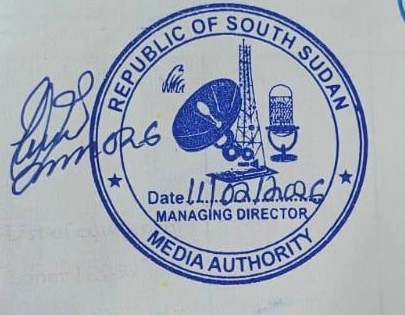
South Sudan is the world’s youngest country, having gained independence from Sudan on 9 July 2011. In the referendum earlier that year, 98.8 percent of voters supported independence, following decades of conflict with the Sudanese government, religious and ethnic divisions, and the civil war between 1983 and 2005.
The country began creating its own postal identity soon after independence. The first South Sudanese stamps were issued in July 2011, designed and printed in China as a gift from the People’s Republic of China. The stamps depicted national symbols, including the flag of South Sudan and independence leader John Garang.
During the first year after independence, international mail was still routed through Khartoum (Sudan), but when flights between Juba and Khartoum were suspended in April 2012, that system collapsed. Plans to create independent international mail routes with Ethiopian Airlines and Kenya Airways were later discussed but never implemented.
South Sudan continues to face serious challenges. Political tensions, local militias and clashes between government and opposition forces still cause periodic violence and displacement, and the fragile peace agreement signed in 2018 remains under pressure.
Our Visit to the Juba Post
Our preparations for traveling to South Sudan started almost a year before the trip itself. The instability of the region was not exactly tempting, but a friend of ours had recently visited the country with Lupine Travel and spoke very highly of both the tour operator and the authenticity of the destination. That convinced us, and we decided to book the same trip.
A visit to the post office – or sending mail from the country – was not part of the official itinerary. That was something we decided to add ourselves.
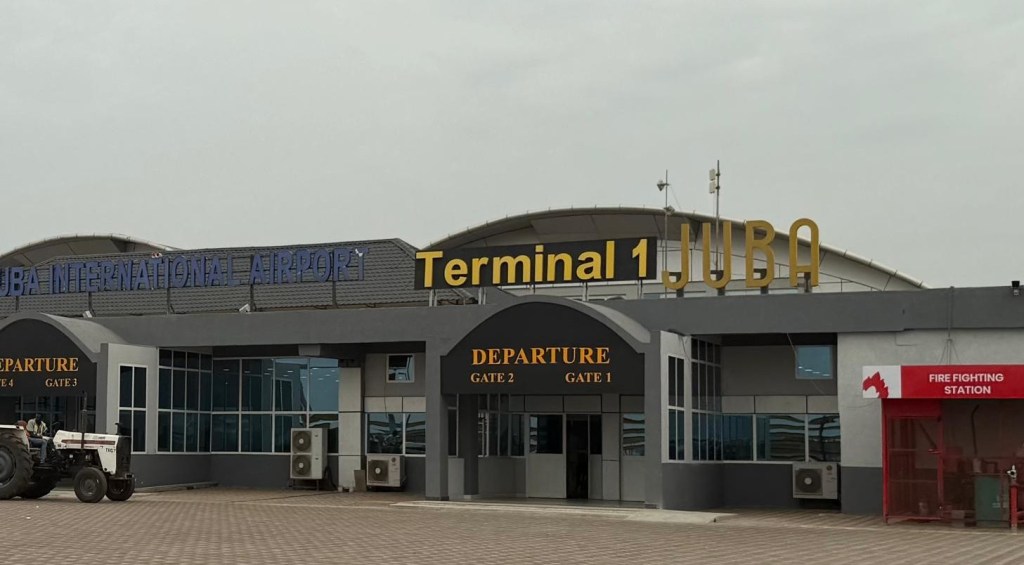
So on the evening of 15 February 2026, we stepped out of the plane at Juba International Airport.
Our group’s plan for the next morning was after breakfast to take a city tour and then drive to visit a Dinka Tribe village, where we were supposed to spend the following night. But I felt like I was being torn in two – I wanted to see everything: the post office, the city, and the tribal areas. So careful timing became important.
The plan was that Andry and I would visit the post office early in the morning, after which the group would pick me up so I could continue the program with them. If necessary, I could try again the following afternoon when we returned to Juba.
There is very little information available online about the Juba post office, but we had done our homework. The section we were interested in was supposed to open at 8:30, and we even knew the name of the person who supposedly sold the stamps.
As the saying goes, “Man plans, God laughs.”
First problem – nobody seemed to know where the post office actually was. Not the hotel reception. Not the taxi driver, whose arrival was already about twenty minutes later than planned.
Well, technically they did know. Just not the right place.
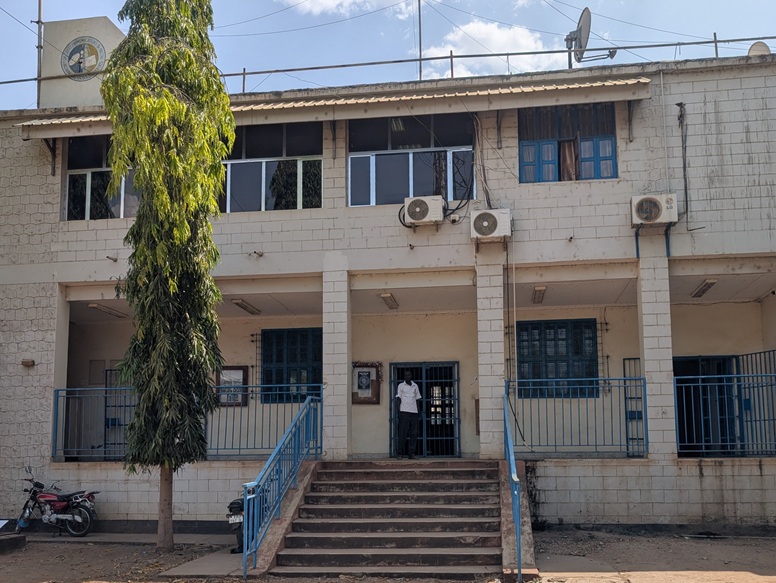
Despite the taxi driver’s doubts and the confusing directions from the hotel, we decided to head to a spot near Kenya Commercial Bank, based on a description we had found online. After walking around the area and stepping into an unremarkable courtyard, we finally found the building — the Ministry of Telecommunications and Postal Services, with the post office on the ground floor. We immediately sent the coordinates to our guide, who later said he would not have found it without them, as even the local guide believed the post office was elsewhere.
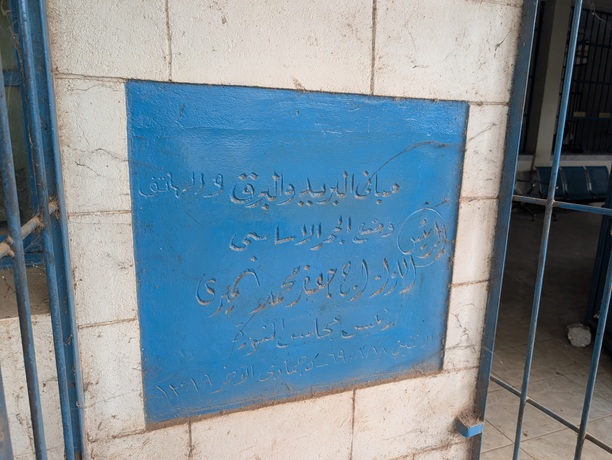
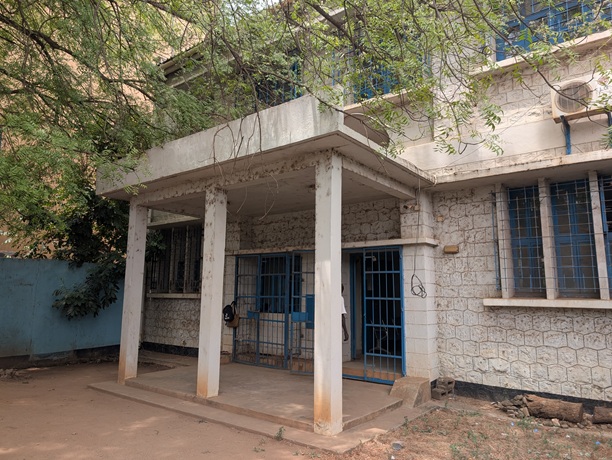
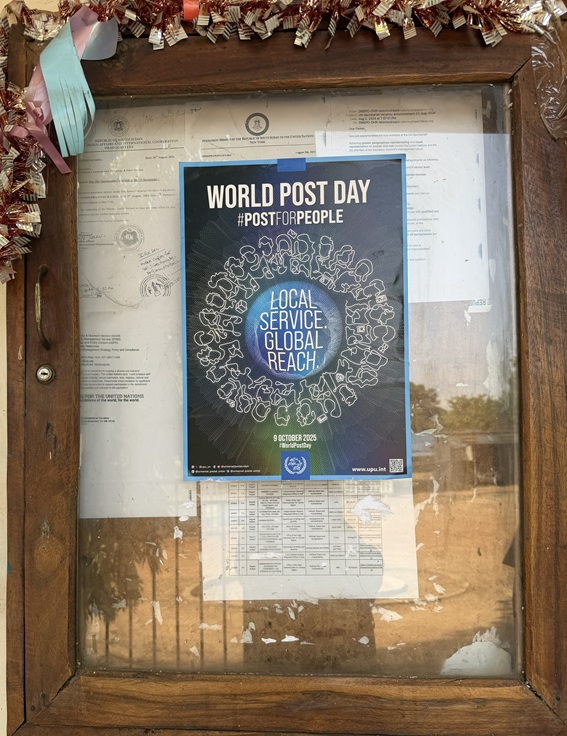
It was a two-store white house with blue window bars, but the mailbox and UPU poster by the entrance looked promising enough for us to hope we had finally found the right place.
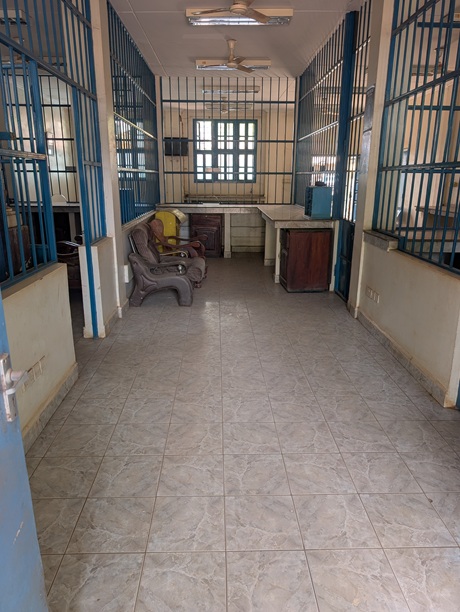
The security guard had no idea whether they actually had stamps. But he did have the phone number of the postmaster, who promised he would arrive around 10:00.
While we were sitting on the ministry steps discussing our next move, a well-dressed gentleman in a suit walked up the stairs, noticed us, and commented that it looked like they had unexpected visitors.
We introduced ourselves.
He turned out to be Thomas Gatkuoth Nyak, the Under-Secretary at the Ministry of Information, Communication Technology and Postal Services. He welcomed us warmly, made sure that the postmaster had already been called, admitted he was not entirely sure whether they actually had stamps, and then continued inside.
So… what now?
We had already accepted that finding postcards might be impossible, but we still felt cautiously optimistic about stamps.
Just then our tour group arrived in the courtyard, ready to pick us up and continue the sightseeing program.
We made a decision. Andry would stay and wait for the postmaster, while I would go explore the country with the group (in reality this had already been discussed earlier as a very likely Plan).
Around 11:30 a.m, Andry sent me two photos.
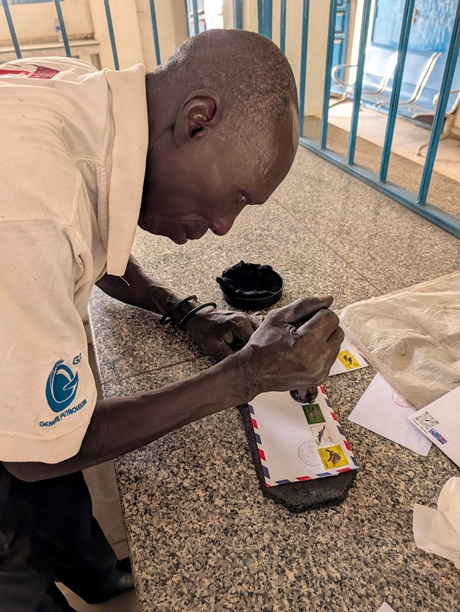
The postmaster had arrived.
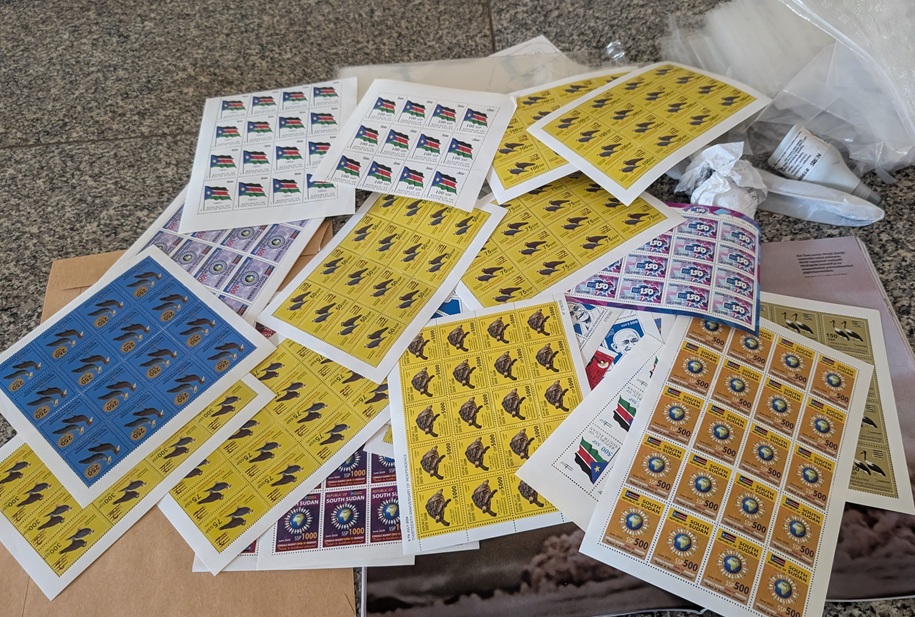
And they did have stamps!!!
Payment was only possible in US dollars, and fortunately not at the official exchange rate. The rate we were offered was worse than the black-market rate of around 5800 South Sudanese pounds per dollar used by street exchange dealers and most shops, but still far better than the official rate of about 130 SSP per dollar.
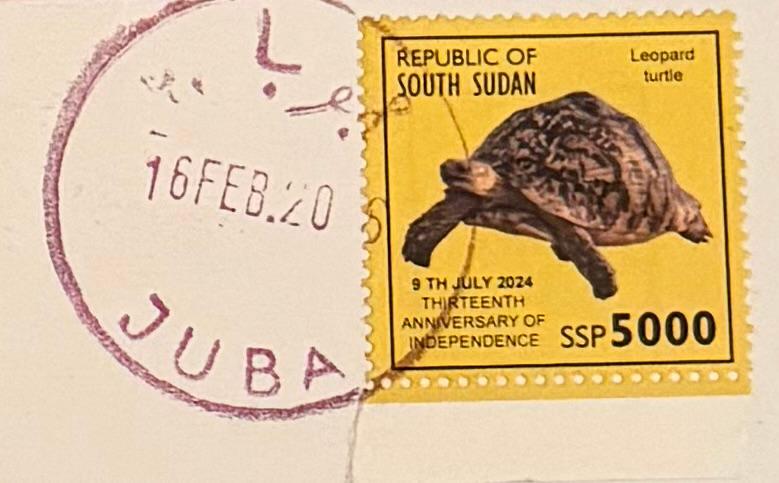
The following afternoon, when we returned to Juba, I finally had the chance to visit the post office myself.
A senior staff member at the post office kindly offered to show me around. Our tour operator had warned us that photography in Juba can sometimes require permits, so we always asked for permission before taking photos.Walking through several rooms, she explained that international mail was currently not functioning, as the country owed money to various partners and the system had effectively stopped working.
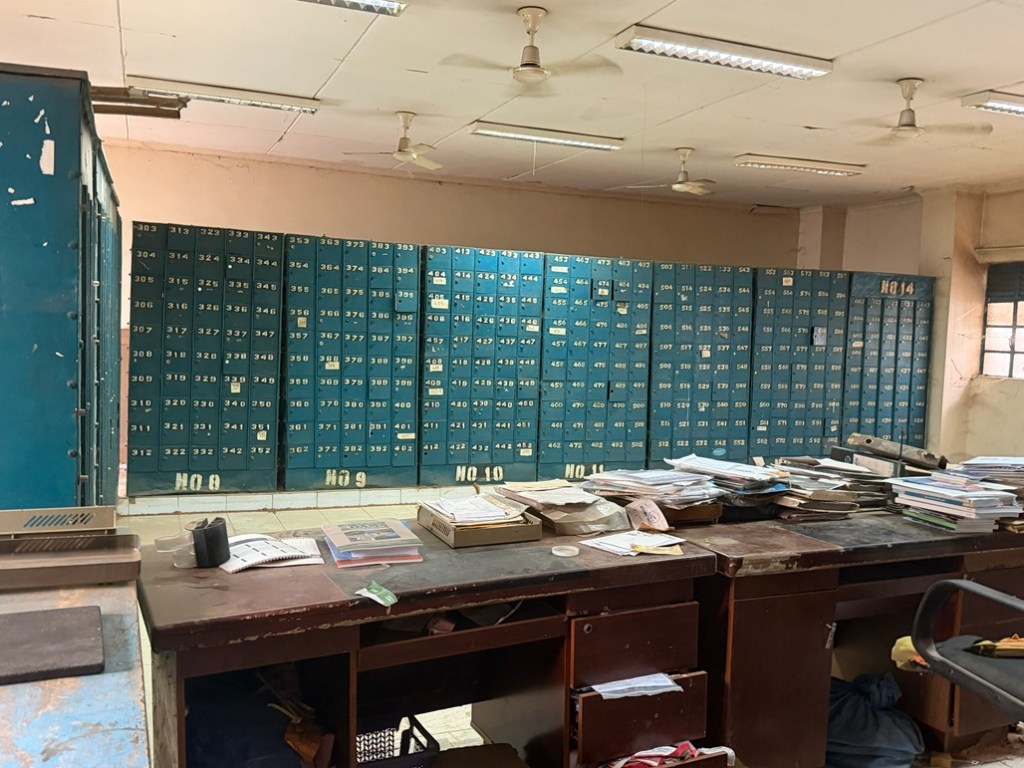
So how does domestic mail work?
There is no home delivery. People can rent a PO box and collect their mail from the post office.
Mail can still arrive into the country, at least to some extent.
In one corner of a large hall there was a pile of magazines and printed materials waiting to be destroyed. The cleaner ones had already been set aside elsewhere and might eventually go to a future library, she said — one that does not exist yet but is planned.
I asked if I could take a closer look at the pile. It was mostly magazines, but among them were also letters that had never been collected, including one addressed to the president.
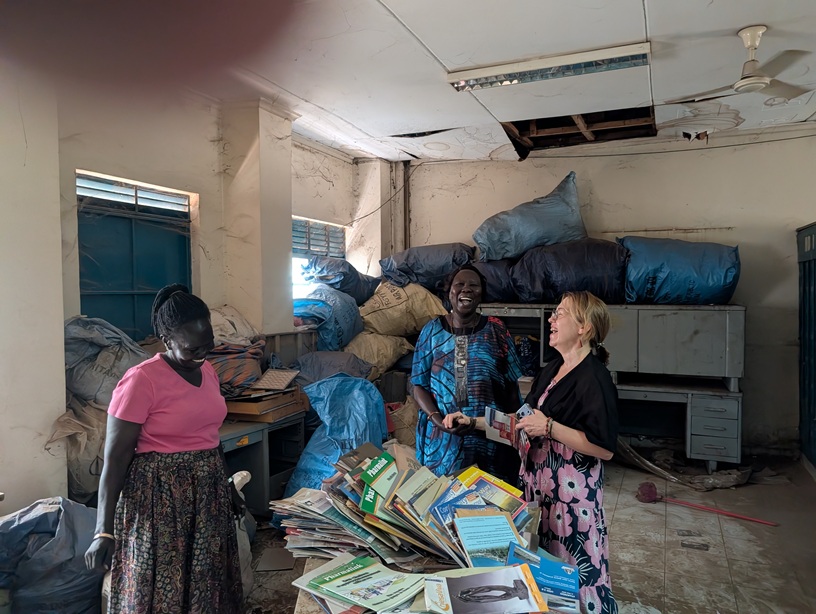
And then I spotted something unexpected: Paulo Coelho’s The Alchemist, one of my favourite books. It had travelled through the BookCrossing network from England and had been sent to Khartoum about six months earlier, but never reached its intended recipient. The sender was apparently quite surprised — and happy — when I registered it online.
She had no objection to me rescuing a few items from the pile.
Before leaving, I asked her for an address so I could send her the photo we had taken together. Her address ended with the line:
“Via Nairobi, Kenya.”
Meanwhile Andry finished cancelling the stamps on our postcards and joined us. Knowing we would probably not have another opportunity to return, we thanked the staff again, left them some Estonian sweets as a small gift, and said goodbye.
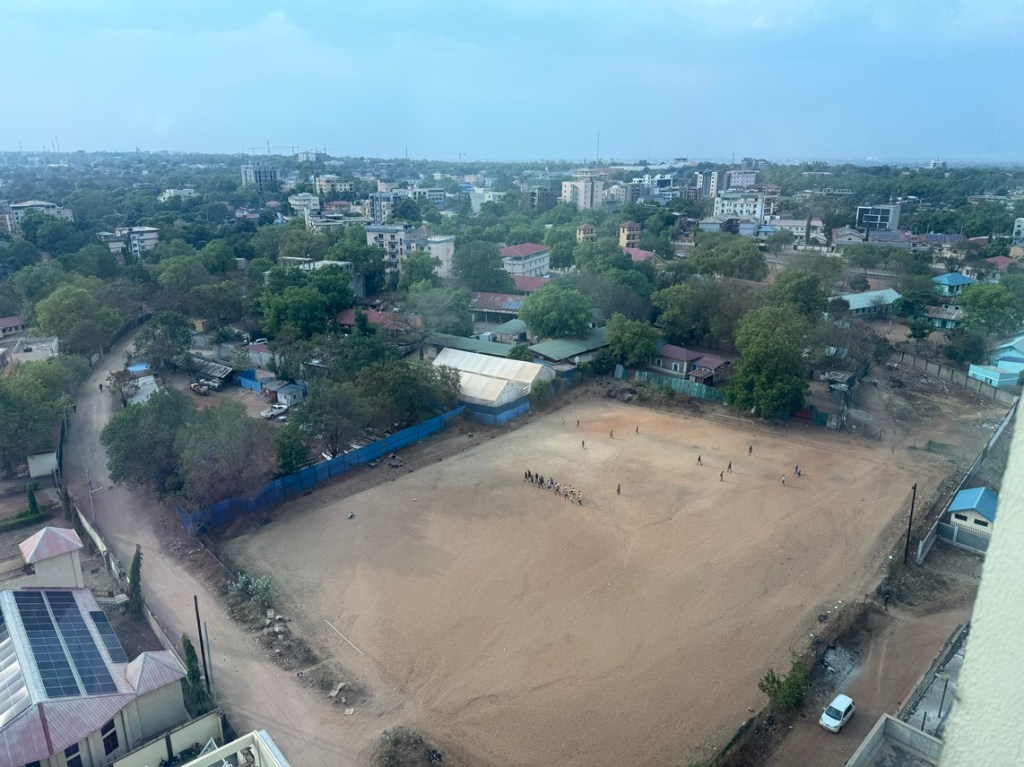
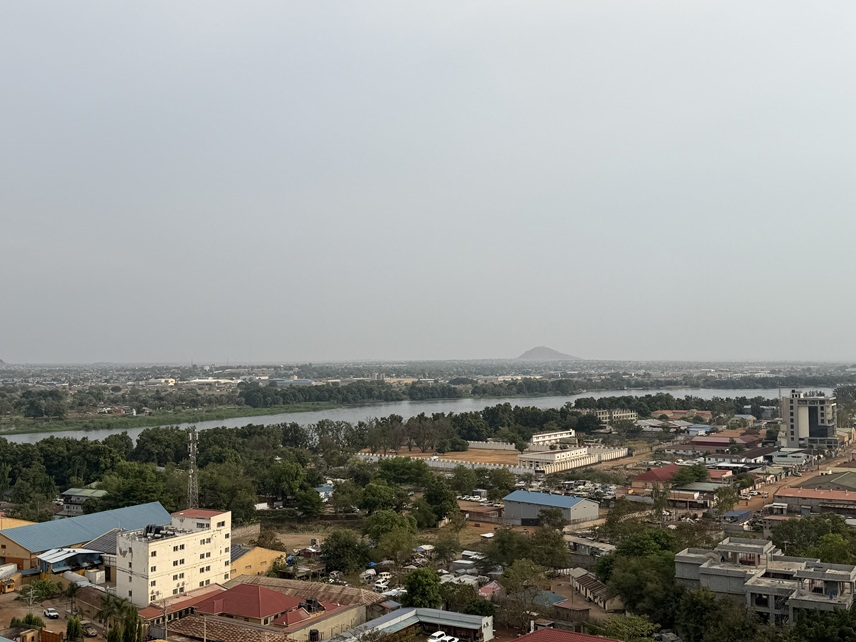
Since international mail from South Sudan is currently not operating, our postcards travelled with us across the border into Europe. Some will continue their journey from Estonia, others from Finland, with European stamps added to help them reach their destinations.
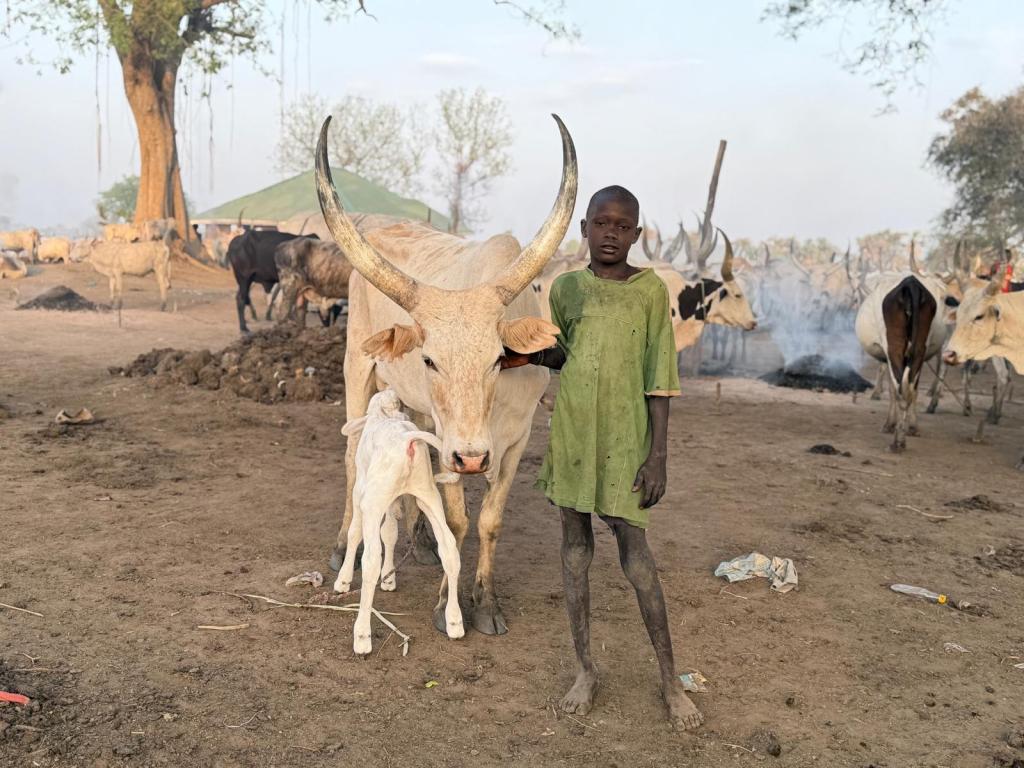
What was truly unforgettable, however, were our visits to the Mundari and Dinka tribes. The respect between people, their Ankole cattle – which are far more than just livestock and often define social status and wealth – and nature, despite extremely limited living conditions, insecurity, poor access to healthcare, cattle raids and inter-tribal conflicts, left a lasting impression.
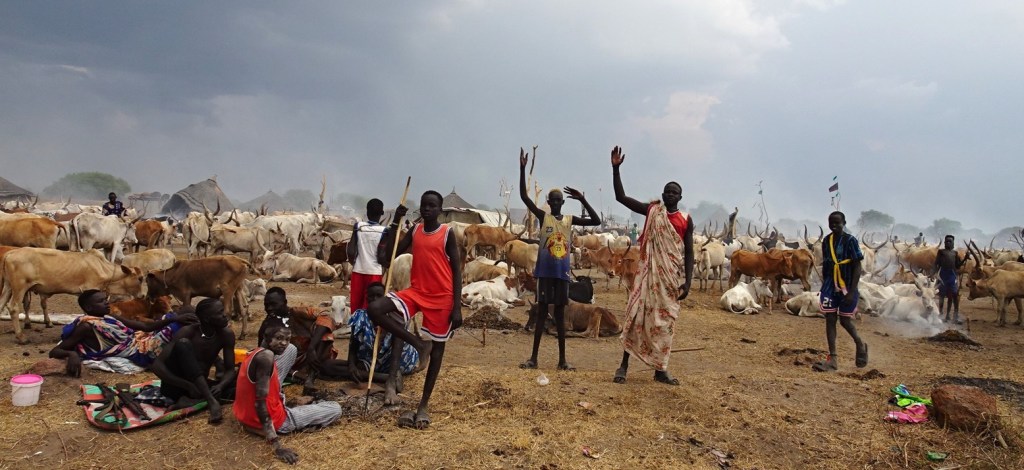
All the best to you, South Sudan!
Thank you for welcoming us – and also for letting us leave.
Note: My Saudi Arabia Post blog post has just been updated with new information about the last traditional post office in Saudi Arabia (February 2026).
All photos © nexttrip123.com — please credit and link to https://nexttrip123.com if used
If you’d like to read future entries from my Post Office Diaries, you can subscribe here.
 Exploring the Unexpected