
- Date of visit: 03.09.2025
- Post office visited: Manila Central Post Office
- Cost of sending postcard: 15 PHP (0,22 Eur)
- Postcards available at: Post office, book stores
- Delivery time to Europe: fastest 25 days to Japan
The Philippines is an archipelago of over 7,000 islands in Southeast Asia. Its capital, Manila, is located on the island of Luzon, the largest and most populous of them all.
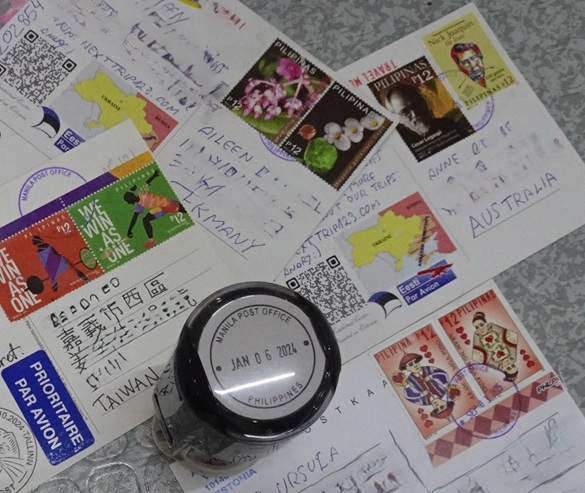
The Philippine postal service began in 1767 with the first post office in Manila under Spanish rule. In 1779 the city became the seat of a postal district covering the entire archipelago. The first postage stamps were issued in 1854, showing Queen Isabella II, followed later by stamps of King Amadeo and Alfonso XIII. In 1898, during the First Philippine Republic, Emilio Aguinaldo’s government released the country’s first distinctive triangular stamps.
After the Spanish–American War, the United States modernized the system and expanded routes. The Philippines joined the Universal Postal Union in 1922 and, after independence in 1946, the service came under the new republic. At its heart stood the Manila Central Post Office, completed in 1926 by Juan M. Arellano and Tomás Mapúa in neoclassical style, its 14 Ionic columns symbolizing the first revolutionary provinces.
Our visit to Luzon island:
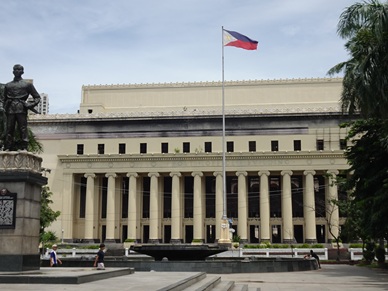
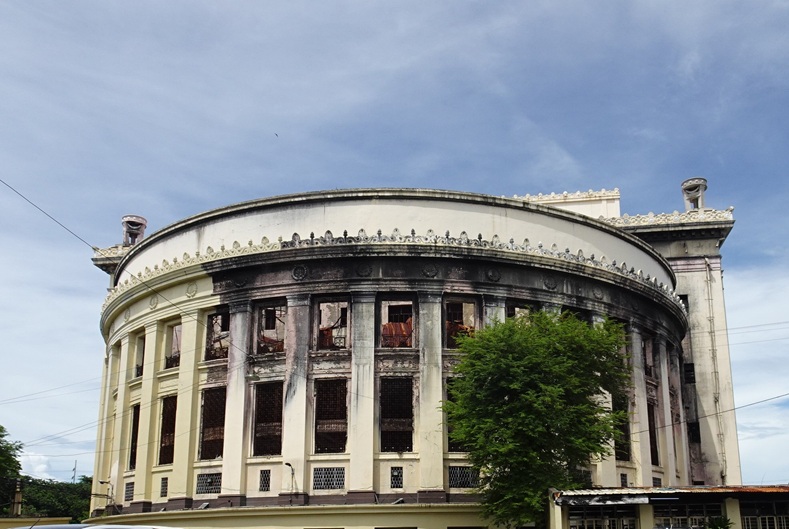
We booked our hotel on the edge of Manila’s old city, arriving in the evening with the specific plan to visit the historic Manila Central Post Office the next morning. Over breakfast on the rooftop we looked across the park. The neoclassical building had stood there for 99 years, damaged during World War II and rebuilt in 1946. In May 2023 it suffered a devastating fire that took hours to extinguish. Yet from a distance it looked intact, as if nothing had happened.
To our disappointment, the hotel staff told us that no postal services operated there anymore. But when they realized we only wanted to send postcards, they confirmed the philatelic counter was still open.
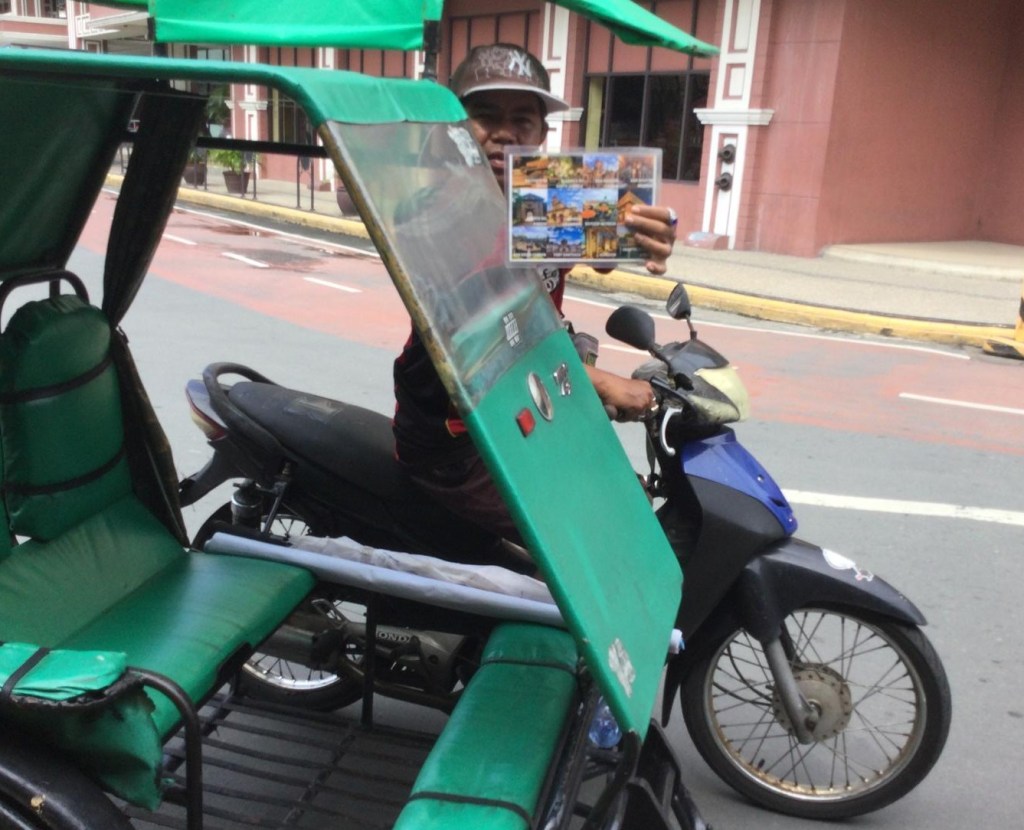
So we set out on foot. The streets around the park buzzed with Manila’s chaotic energy. We couldn’t walk straight through the park, so we followed the roads where drivers offered rides. Among them were tricycles—motorbikes with sidecars. What caught our eye wasn’t the vehicles themselves, but the way some drivers tried to tempt us with photos of the city that looked like postcards. Of course, they weren’t postcards and were not for sale.
The post office, with its imposing columns, looked impressive, but the real entrance was hidden in a side building at the back.
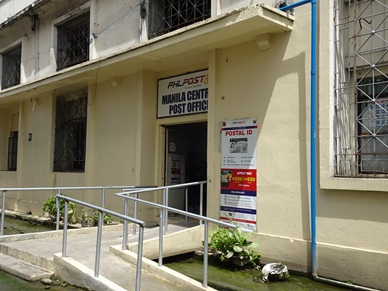
Inside, two women at the philatelic counter greeted us with a smile:
“Ah, you are from Postcrossing?”
I smiled. “Yes! Are you postcrossers too?”
They weren’t, but said they often met people who shared our hobby.
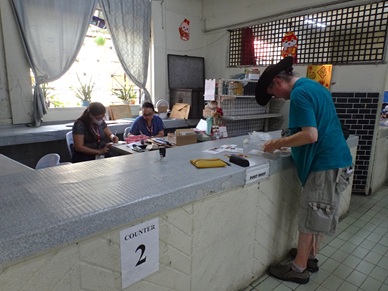
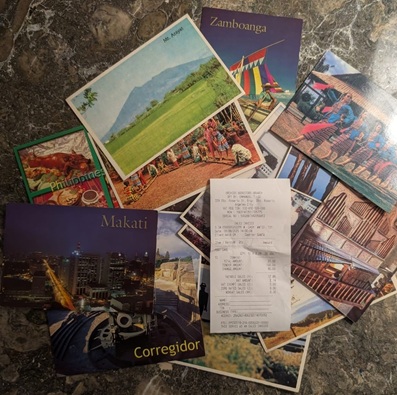
We checked the postcard postage rates, which hadn’t changed in years—still just 15 PHP. The clerk explained that 23 PHP also works, since they no longer had smaller-value stamps in stock. Mailing a card in an envelope, however, came at a much higher price. To our delight, the post office also offered a nice selection of postcards: 35 PHP for a regular one, or 105 PHP for a prepaid card with postage already included. With a few postcards written and sent, and our stash of new ones tucked safely into the bag, we continued on our way.
We left Manila by car, heading south. The driver from the rental office warned us that traffic in the city was notoriously bad—and that the police might stop you for even the smallest mistakes, like turning from the wrong lane or stopping on a pedestrian crossing (rules that are perfectly logical back home in Estonia!). Then he added, with a grin, that the police here were corrupt and would expect a bribe. “At night, or when it rains, the police don’t work. They’re sleeping,” he concluded.
With that advice in mind, I dove into Manila’s river of traffic. Lane discipline was impossible—the only real rule seemed to be “go with the flow.” Sure enough, about an hour later, I was stopped by the police. They said I had allegedly crossed an intersection just as the light turned red (though I had actually entered on green, the traffic simply wasn’t moving). Officer Ricardo spent about 15 minutes chatting with me. In the end, he didn’t fine me, didn’t ask for a bribe, but smiled, wished me a good trip, and reminded me to follow the rules.
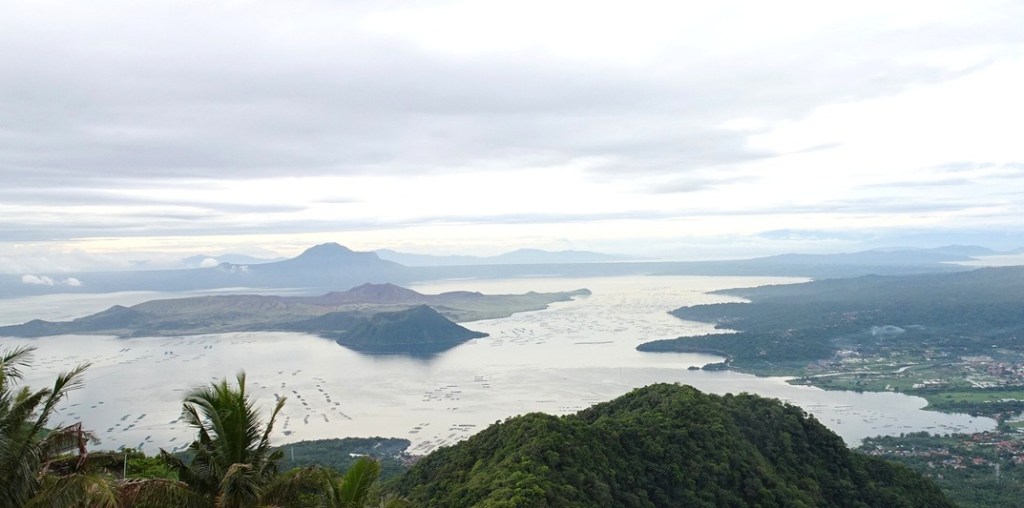
Our first stop was Tagaytay, the town overlooking Taal Lake with the world’s smallest active volcano—a truly beautiful place! The local post office, marked on Google Maps, had, however, been closed for years. Over the next few days, we drove around, discovering hiking trails and beaches, checking post offices and postcards along the way, until in the Subic area I slipped and ended up in the hospital for a check-up. I came out with several expensive photos of my skull, a broken laptop, and the comforting knowledge that local healthcare works far better than its reputation.
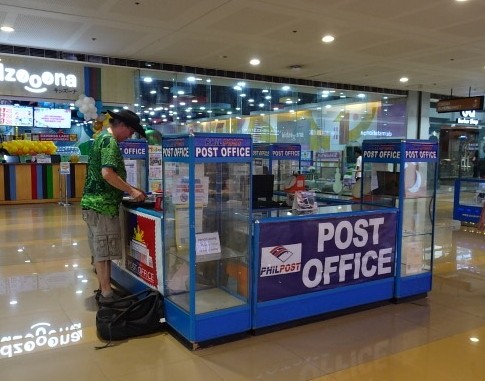
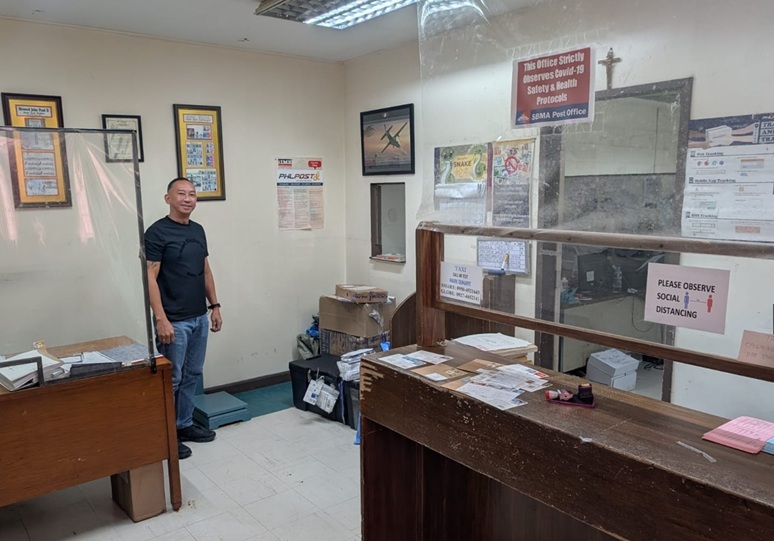
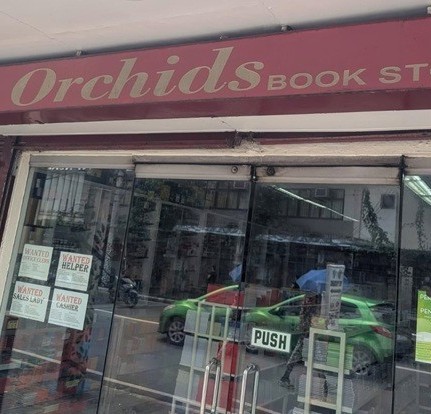
Since we had to take the next couple of days more slowly and adjust our time outside Manila (traffic rules in Manila restrict cars with certain plates during rush hour), we skipped the hikes and spent more time exploring Angeles City. Naturally, we also hunted for postcards. In most of the gift and bookshops we wandered into, we couldn’t find a single one—but in one bookstore, the selection was even larger than at the central post office, and each card was only 2 PHP!
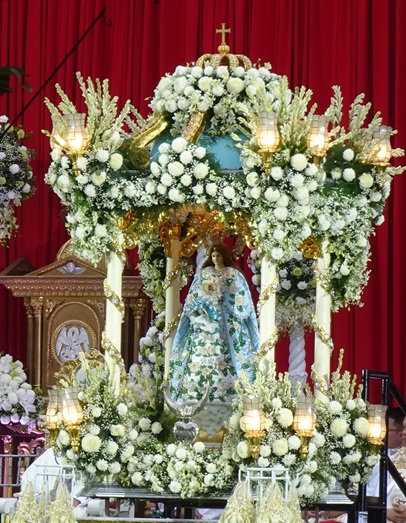
Same day, on September 8, on the way back to Manila, we passed through San Fernando, when the city was celebrating the feast of Virgen de los Remedios. The streets around the Metropolitan Cathedral were alive with a big festival, full of colors, locals, and food. The Virgen is locally called Mamma Mary. I took it as a sign that she had helped me escape my earlier slip unscathed, and left a small token of thanks.
This could well be the ending of my Philippines post, but… somewhere in the Subic area, one of my dear friends—a pink cat, crocheted and gifted to me by a friend Teele, who is also a Postcrosser—ran away. Of course, he couldn’t really run, being crocheted, but somehow he disappeared along with my headache—but one pain was replaced by another, leaving me heartbroken.
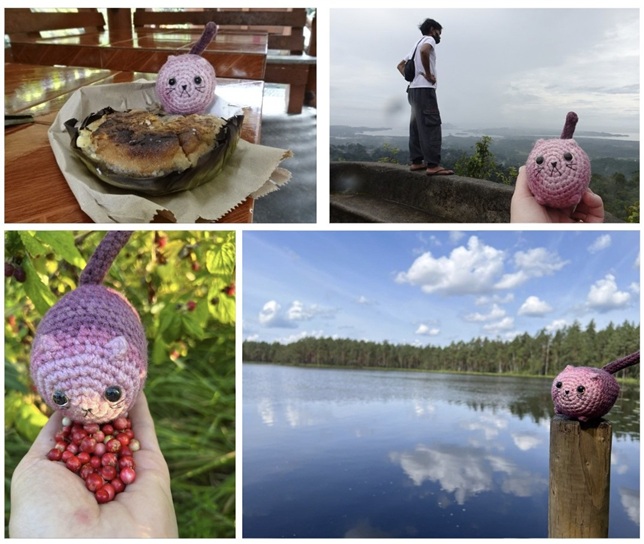
So if you happen to wander through that area (or living there) and spot him, give him a gentle pat, let me know how he’s doing, and if he needs a home, please either welcome him or send him back to me.
That’s it for now, but it seems the Philippines are waiting me back.

Until next time!
If you’d like to read future entries from this post office diary, you can subscribe here:
 Exploring the Unexpected
Have you posted on the Postcrossing forum, asking locals if they have spotted your pink cat?
LikeLiked by 1 person
Good idea! Thank you! I tried now to find a place on the Postcrossing forum to post this, but couldn’t. Maybe I’ll still find it, but I’ll also write her: I last saw my pink cat, Bareru, on the evening of September 3 at 727 Coffee & Co. I walked straight to the hotel from there and only noticed the cat was missing the next morning. It might have slipped out on the way, since I often keep my bag unzipped. I already asked and looked at both places before leaving, but if you are nearby, please check and let me if you have any information about him.
LikeLike
Hmm..maybe in the Language/Geographical Communities section, or even in the Meetup section? Or Trades/Requests > Other section! I hope you get answers!
LikeLiked by 1 person