
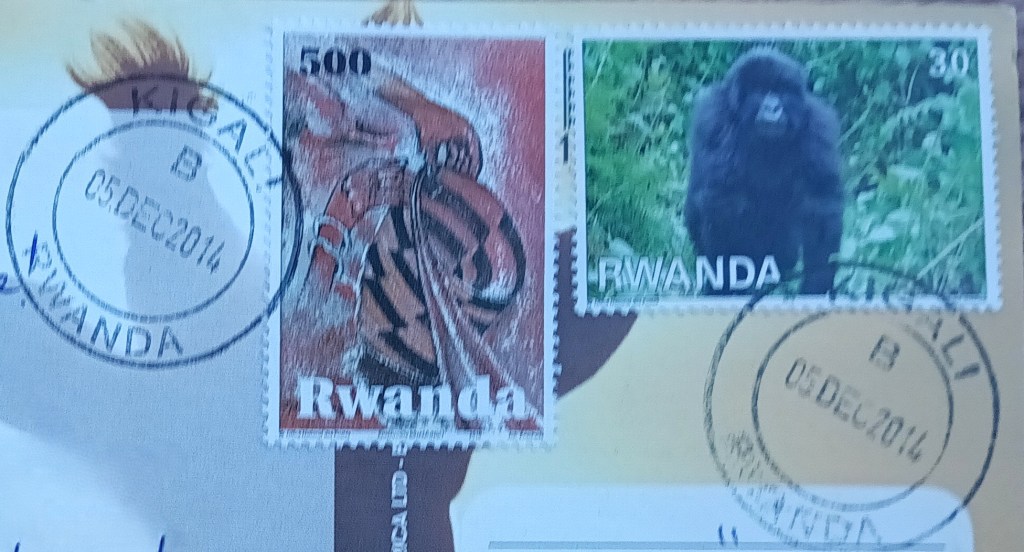
- Visit date: December 5 2014
- The visited post office: Iposita, KN4, Kigali, Rwanda
- Cost of sending mail: internationally 530 Rwanda mark (about 0,65 eur)
- Postcard availability: Post office
- Postcard delivery time: to Europe 8 days
Rwanda is a small, landlocked nation in Africa’s Great Lakes region—much more densely populated yet compact than its neighbor Uganda. Both countries experienced colonial rule (Rwanda under Germany and Belgium, Uganda under Britain) and have seen political upheavals.
A bit of Rwanda’s Postal History
Rwanda’s formal postal service began during the colonial era: the very first post office officially opened on 18 September 1922 in Kigali. Prior to that, during German colonial rule, postal routes may have existed regionally, but the first formal postal branch was established only under Belgian administration. The postal institution operated under colonial structures — initially merged with the postal administration of the Belgian Congo — until Rwanda’s independence in 1962.
On 1 July 1962, the newly independent Republic of Rwanda issued its first national stamps, marking the start of its own postal identity. Over the years, Rwanda became known for colorful and wide-ranging stamp issues, though not without controversy. By 2009, Rwanda had only 19 post offices nationwide, while according to Universal Postal Union standards the country would have needed around 1,111 to ensure adequate coverage. In 2010, the National Post Office formally alerted the Universal Postal Union about fraudulent Rwandan stamps appearing on the philatelic market, warning collectors and postal services against their use.
Rwanda: Between Silverbacks and Stamps
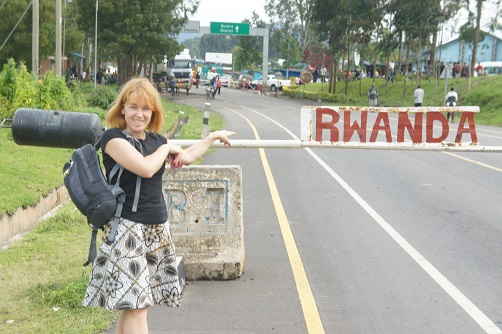
We arrived in Rwanda in December 2014, crossing the border by car from Uganda, and suddenly the traffic switched from left-hand to right-hand driving. There were ten of us from Estonia, eager for new experiences. As I had already noted in the country’s postal history, there were only 19 post offices in Rwanda at the time, and the first one we came across was not until the capital, Kigali. Still, our hopes were high — because this time the biggest question was not only whether the post office would be open, but whether we would get to see a silverback and his family.
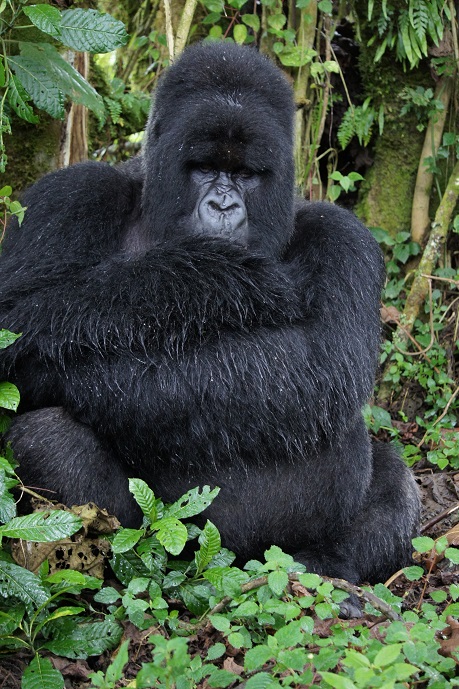
In a gorilla group, the silverback—the massive dominant male—is the leader. He decides where the group goes, protects them from threats, and settles conflicts among the younger males. A typical family has 20–30 members, and in Volcanoes National Park, where we were heading, there are several such families.
Maybe it was the anticipation of meeting gorillas, or maybe just the usual spark of male competition, but by dinner time our own group’s “silverbacks” began testing each other. Not with push-ups, but with bragging about which route to take the next morning: the long, demanding hike deep into the jungle, the other was easier — rangers said a gorilla group had settled not far from our lodge that evening.
I had already made up my mind: the tougher hike was exactly my kind of adventure. Andry, on the other hand, decided to save his energy for the post office, while still seeing gorillas — so he chose the easier route. The group soon split: most picked the easy trail, but two of the men couldn’t resist showing off and signed up for the harder trek. One woman joined us too, so in the end it was the four of us
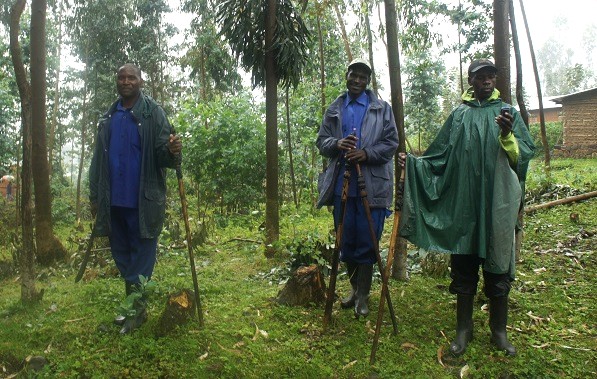
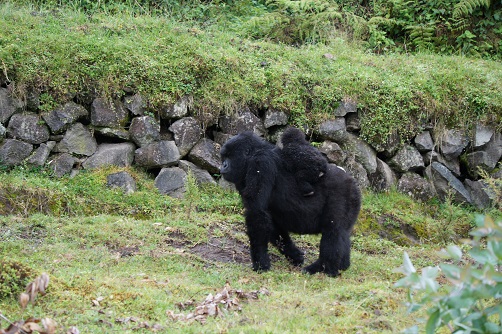
Morning came wet and muddy, but our “hard trail” team set off early. To everyone’s surprise, the gorilla family of 23 hadn’t stayed hidden in the mountains at all—they had moved out into the fields overnight. The silverback allowed us to observe, as long as we avoided direct eye contact, which he would see as a challenge. After spending plenty of time in their company, we returned, our clothes soaked but spirits high. The grand contest between the men of our group fizzled out—there had been no endurance test after all.
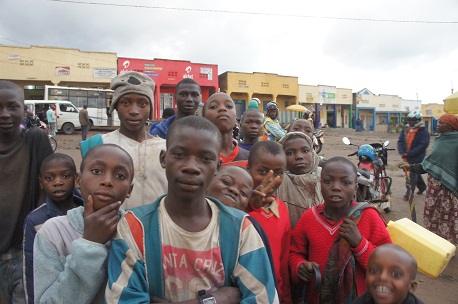
Andry’s team, meanwhile, spent hours climbing into the misty hills before they finally reached their gorilla family, which had overnight moved higher into the mountains. Their gorillas were much more restless. At one point the silverback suddenly charged straight through the group, swinging a branch as he passed. One of the men was caught on the shoulder — the blow cut through layers of clothing, leaving blood and a scar that still hadn’t fully healed by the end of the trip. He didn’t complain though—he had been “knighted” by a silverback and lived to tell the tale.
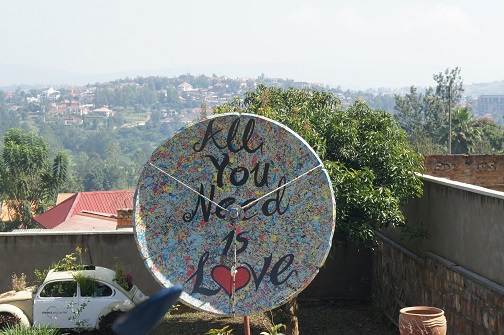
From the forests we continued on to Kigali. The shadow of the 1994 genocide was still palpable. Nearly a million people—Hutus and Tutsis alike—were killed in just 100 days, neighbors turning against neighbors. The pain in the stories we heard seeped under our skin, and me and Andry decided not to visit the Genocide Memorial.
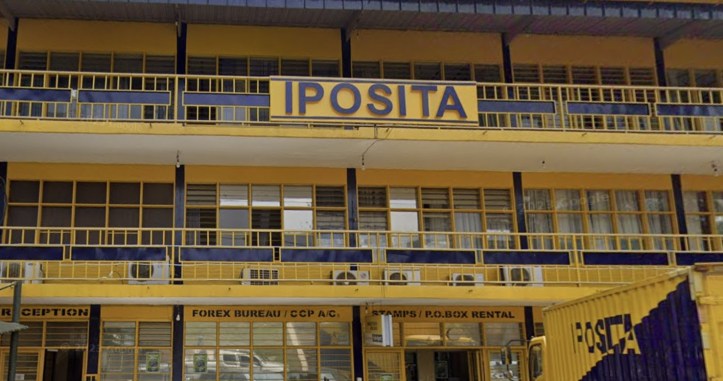
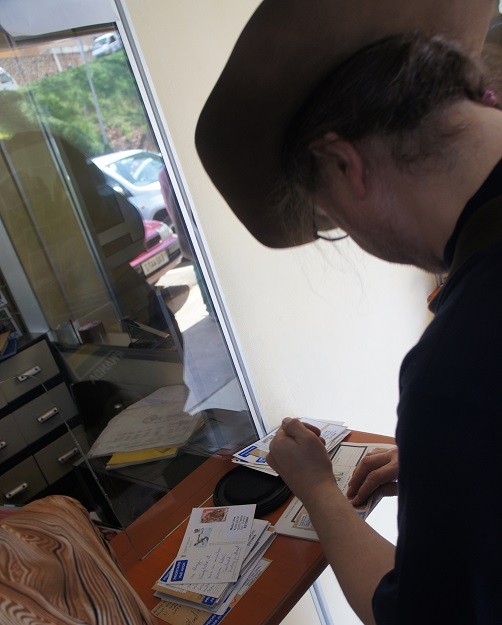
Instead, we chose the post office, an art museum, and a lively African cultural fair happening at the same time. Rwanda felt visibly more developed than Uganda: cafés with working internet were easy to find, and the post office kept its promised opening hours. There we found postcards, and Andry got to stamp them himself with the official date seal before handing them over. As a thank-you, we left two packs of Estonian candy with the clerks.
Looking back, I see the same pattern in gorillas, in our travel group, and in Rwanda’s recovery: the real strength wasn’t in loud challenges or scars, but in the silverback—the one who kept his family together, leading firmly without the need to boast. In the end, the real winners were all of us: we successfully saw the gorilla families and even managed to get our postcards sent.
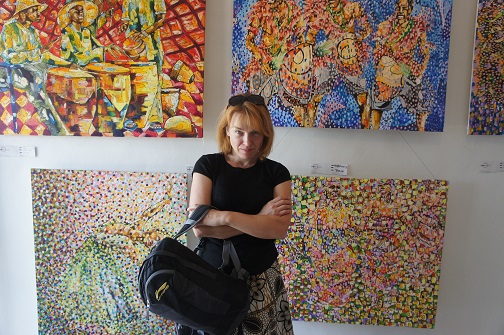
We mailed our postcards on December 5, 2014. The first reached Germany in just eight days, and those to the United States arrived before Christmas—on December 23. Just as we had expected the “easy” trail to be quicker than the tough one, we had assumed the postcards would take ages—but they proved us wrong, reaching their destinations surprisingly fast.
If you’d like to read future entries from this post office diary, you can subscribe here:
 Exploring the Unexpected