
- Visit date: 27.11.2018
- The visited post office: Tunja Post office 150001
- Cost of sending mail: Europa: 2700 pesos (0,85 EUR), Aasia 3300 pesos (1,03 EUR)
- Postcard availability: In museum shops
- Postcard Delivery Times: Fastest 65 days to Lithuania
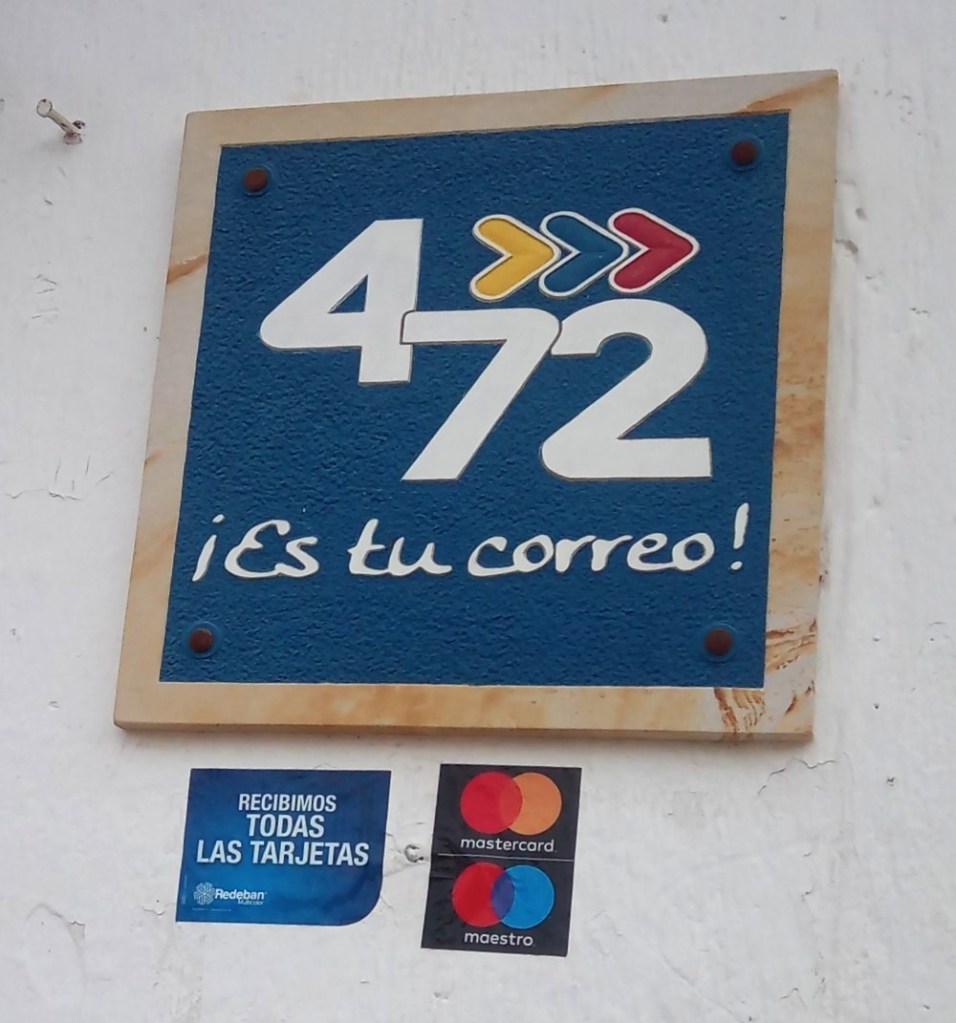
Postal history in Colombia goes back further than most travelers might guess. After gaining independence from Spain in 1810, the newly formed nation—then called the United States of New Granada—issued its first postage stamps in 1859. Colombia’s mountainous landscape and strong regional identities soon led to localized issues, with areas like Antioquia and Cundinamarca producing their own distinctive stamps.. Today, the national postal service operates under the name Servicios Postales Nacionales, branded as 4-72, referencing Colombia’s geographic coordinates. Despite the rise of digital communication, Colombia’s postal service still plays a key role in rural areas, where access to online infrastructure remains limited.
References: https://www.4-72.com.co/, Colombia, postal history
Our Experiences in Colombia: Colorful and Contrasting — Just Like a Botero Painting
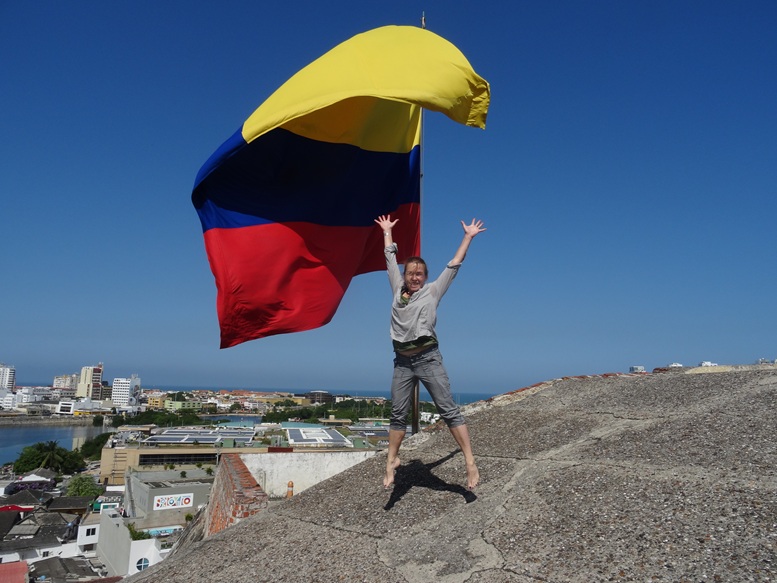
In late November 2018, I traveled to Colombia with a group of friends from Estonia. With an area of 1,141,748 km², Colombia is larger than France, Germany, and the Netherlands combined. Our group of 15 explored Bogotá, Medellín, and Cartagena — three cities that reflect the country’s many faces: historical and modern, gritty and elegant, chaotic and warm. Because of the long distances between them, we relied on a few domestic flights to make the most of our time.
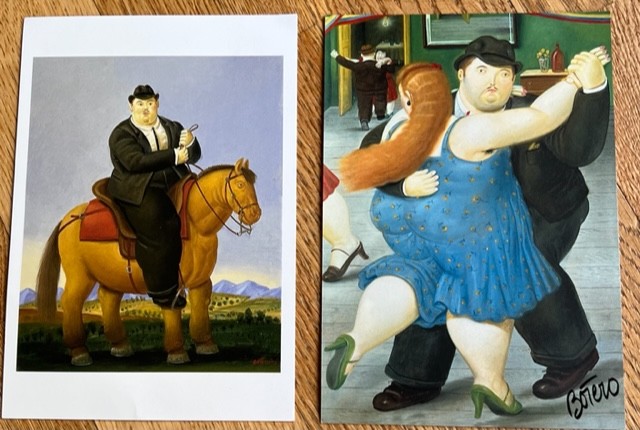
The post office we ended up using wasn’t in any of those big cities. Most of our postcards were sent from a town called Tunja, but before that detour, we took in Bogotá — where Museo Botero completely stole my heart. I ended up buying more postcards featuring Fernando Botero’s famously rounded figures than I actually sent. His exaggerated shapes felt like the perfect visual metaphor for Colombia itself — intense, emotional, full of contrasts.
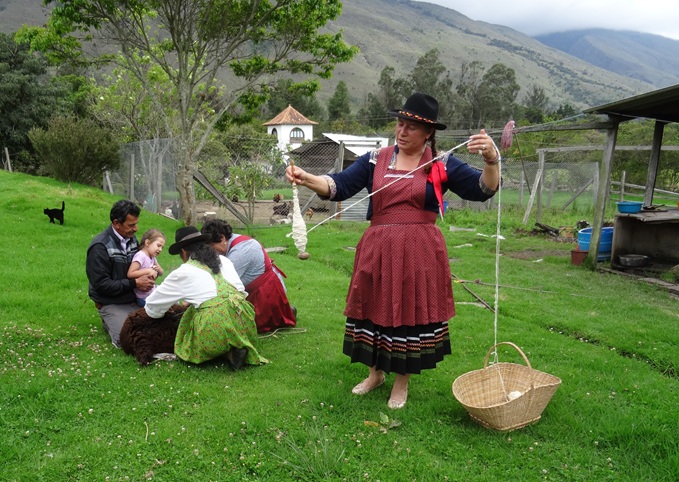
That scale of intensity seems to translate into everything: landscapes, culture, energy, and yes, even the art.
Finding a post office, however, wasn’t quite as effortless. In Bogotá, weekends and museums took priority. In Medellín, the timing didn’t work out either. Our next stop was Villa de Leyva, a beautiful colonial town tucked away in a semi-desert valley. The town is one of Colombia’s best-preserved examples of colonial architecture — but what caught our attention even more was that it belongs to the postal zone with the code 150001. The local post office, however, was closed indefinitely.
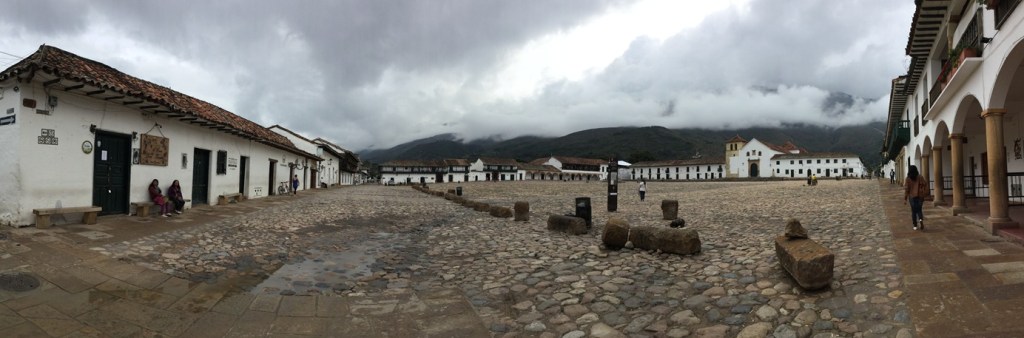
Villa de Leyva is also home to Plaza Mayor, the largest cobblestone square in Colombia and a proud member of the UNESCO World Heritage Tentative List. But as postcard lovers, our focus was more on stamps than stones.
So we split up: the next day, I hiked the Camino Real from Barichara to Guane, while Andry took a taxi 37 km to the regional capital, Tunja, to track down an open post office.
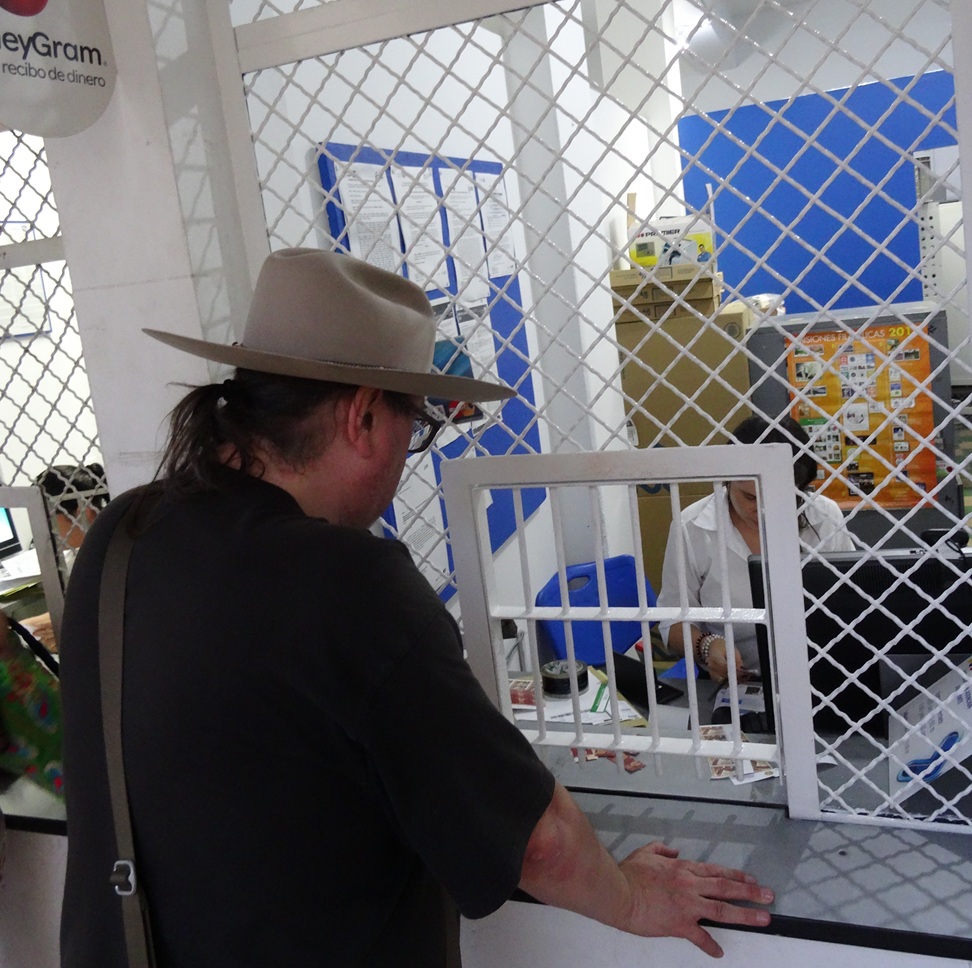
Despite being off our planned route, the visit was smooth. The post office was located in Tunja’s Centro Histórico and marked with the national postal service logo 4-72. When Andry showed the stack of postcards, he was handed a date stamp and allowed to cancel the stamps himself at a separate desk. No issues at all.
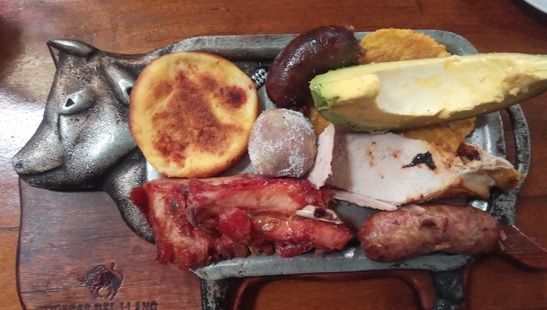
By evening, we were back together, sharing stories over a table full of Colombian comfort food: grilled meats, corn, sausages, and the kind of avocado that makes you question everything you thought you knew about avocados.
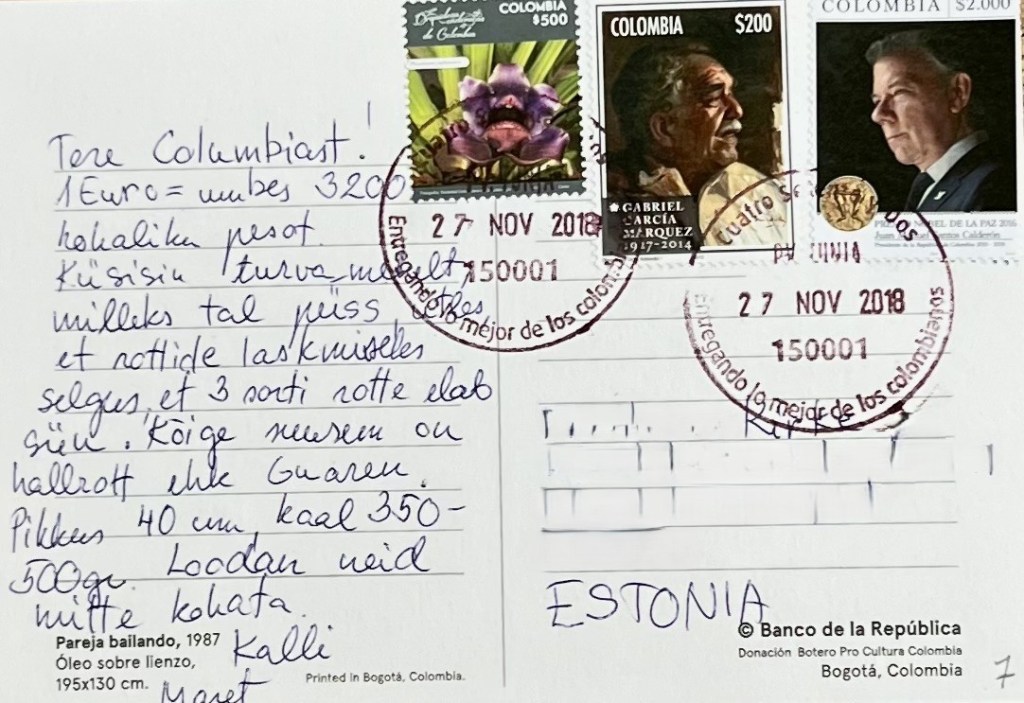
Now, looking back at the postcard I had written to my daughter — the one Andry mailed from Tunja while I was still on the Camino Real — I had to smile.
“I asked a security guard why he was carrying a rifle. He said it was for shooting rats. Apparently, there are three kinds here. The biggest is the gray rat — el Guaren — which grows up to 40 cm long and weighs half a kilo. Hope I don’t run into one. Hugs!”
Before the trip, we’d been warned about drug traffickers. Instead, we got armed guards protecting us from rats. Maybe if we’d met an actual smuggler, it would’ve made for a better story — but I’m glad the rats were the biggest threat we faced.
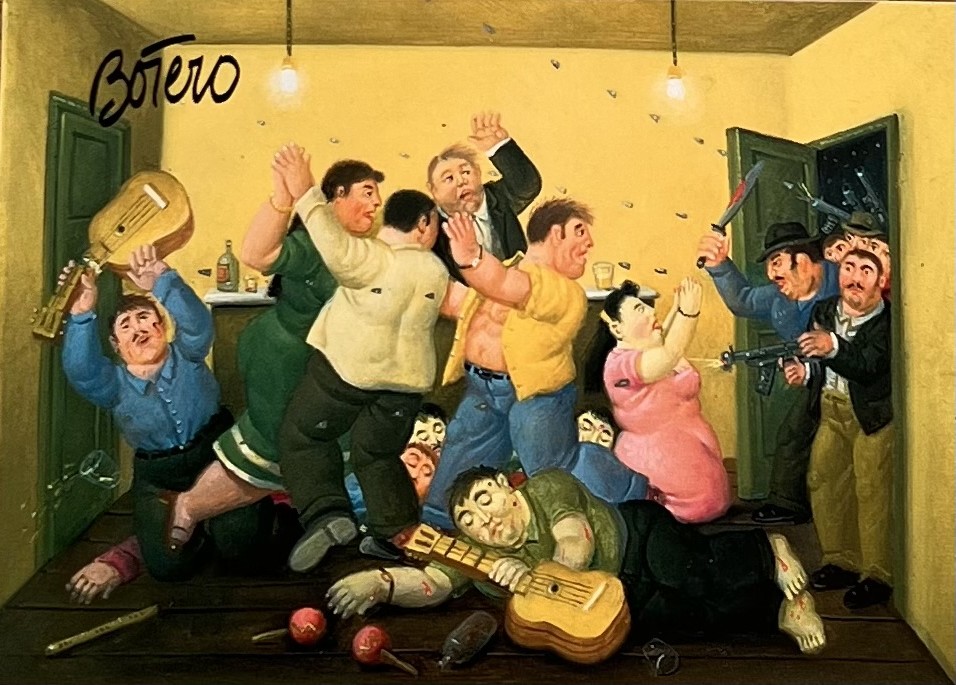
Our postcards traveled slower than we did — some arrived within 3 months, others took closer to a year. But they all carried with them a piece of Colombia’s rhythm: unhurried, bold, and unforgettable.
If you’d like to read future entries from this post office diary, you can subscribe here.
 Exploring the Unexpected