
- Visit date: November 08 2021
- The visited post office: Poste Vaticane 00120
- Cost of sending mail: Europe 1.15 Eur, America/Africa/Asia 2.40 Eur
- Postcard availability: Gift shop, Post Offices
- Postcard delivery time: 4 days to Estonia
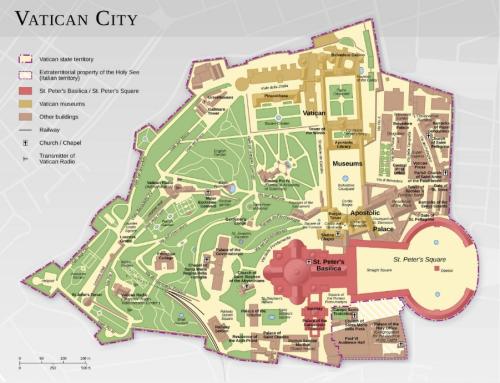
Vatican City is the world’s smallest independent country, covering just 0.49 sq km (0.19 sq mi) and home to about 880 residents. Nestled within Rome, it serves as the spiritual and administrative heart of the Roman Catholic Church and the residence of the Pope. Most of its residents are clergy, members of the Swiss Guard, and laypeople working for the Church — with citizenship granted only for the duration of their official duties.
Vatican City may be the world’s smallest country, but when it comes to postage, it punches far above its weight. Established in 1929, the Vatican’s postal system quickly earned a reputation for reliability and efficiency — so much so that many Romans are known to cross into the city-state just to mail postal item, preferring it over Italy’s less dependable service.
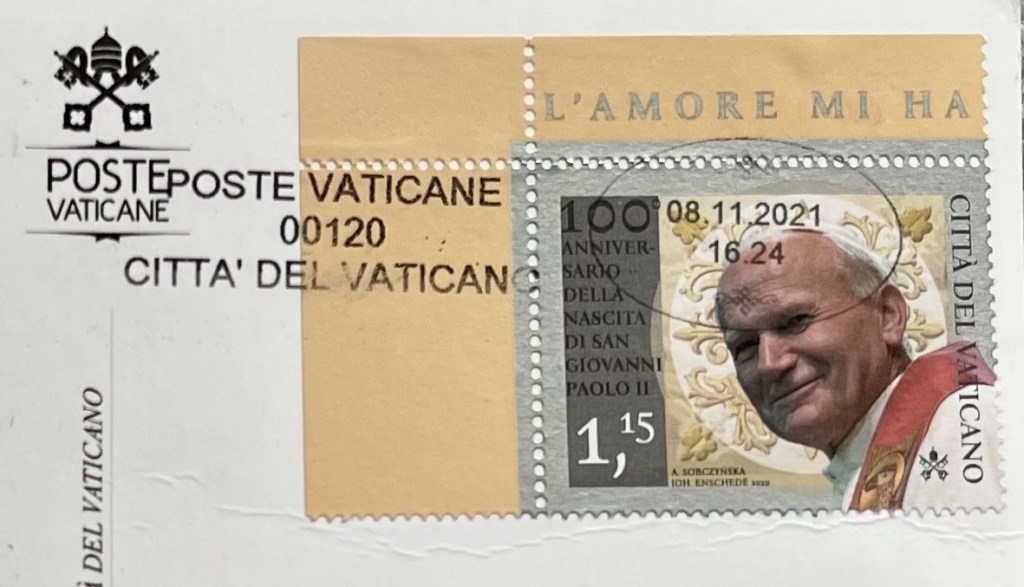
The Vatican issued its first stamps that same year, featuring Pope Pius XI and the papal coat of arms. Since then, its stamps — rich in religious iconography, Renaissance art, and Church history — have become favorites among collectors worldwide. As is typical between countries, Vatican stamps are valid only within Vatican City, and Italian stamps are not accepted there, highlighting its postal independence.
Although the Vatican has no domestic mail routes, its 00120 postal code reportedly sees more letters sent per capita than anywhere else in the world. For a place often associated with solemn silence, Vatican City is remarkably active — at least when it comes to handwritten mail and papal stamps flying across the globe.
Sources: Vatican_City,wiki, Sede Vacante 2025 stamp, Postal History Vatican Ciry
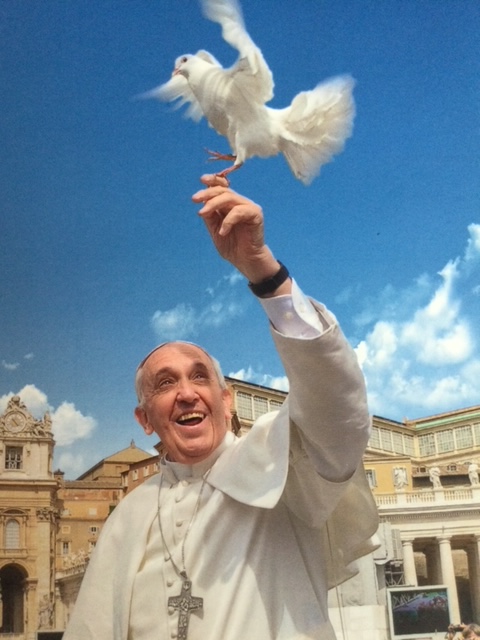
Our visit to Vatican: The timing of this post is connected to an important event: today,07 May 2025, 133 cardinals will gather in the Sistine Chapel in Vatican City to elect a new Pope. Even in a country as secular as Estonia, this event is followed with significant attention.
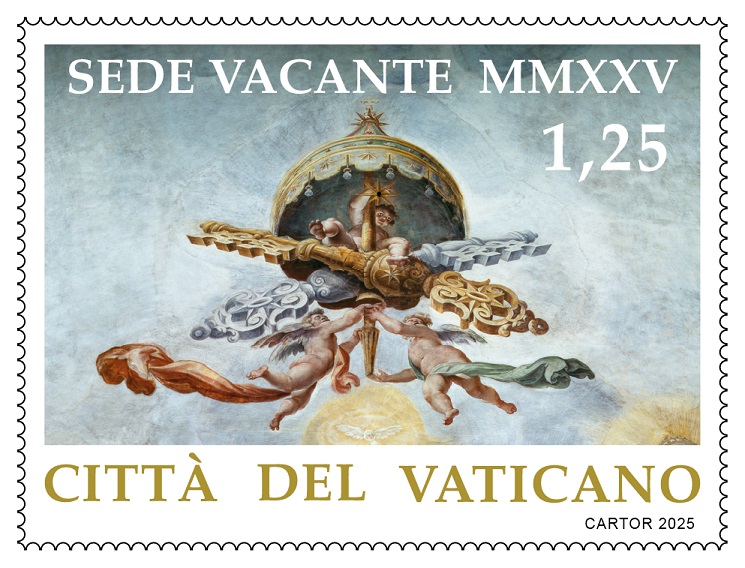
It’s also an interesting time for stamp collectors. Whenever the papal seat becomes vacant — due to a pope’s death or resignation — the Vatican issues a special stamp known as Sede Vacante (“vacant seat”). It’s valid only during the period between pontificates, until the new pope is formally introduced from the window of St. Peter’s Basilica. Since our visit in November 2021 took place during Pope Francis’s ongoing papacy, the Sede Vacante issue wasn’t available — but the variety of Vatican stamps on offer was still fascinating.
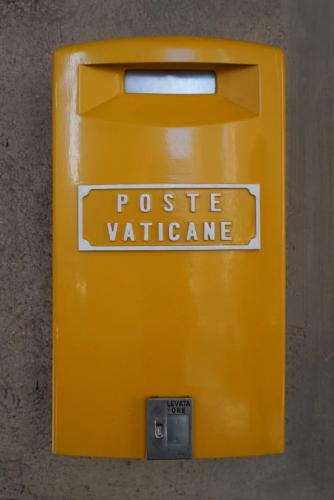
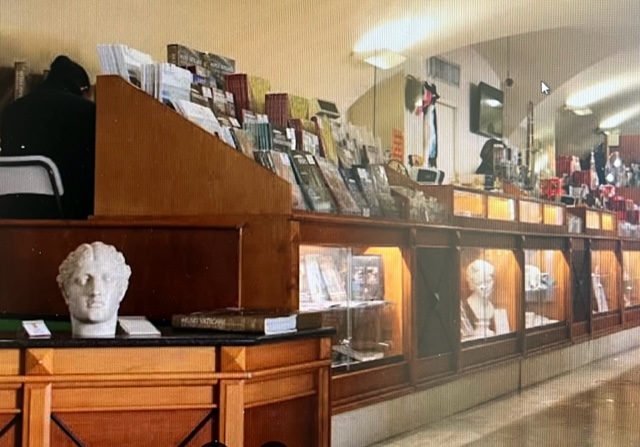
The Vatican postal service is known as one of the most efficient and reliable in the world — operating smoothly regardless of the weather or who happens to be pope. On our visit, November 8th, the skies were rainy and grey. But with most of the tiny state covered in buildings, and our travel party in a good mood, the rain didn’t bother us much. This time we were joined by our daughter Kirke, which made the visit even more enjoyable. She was living in Brasov, Romania at the time.
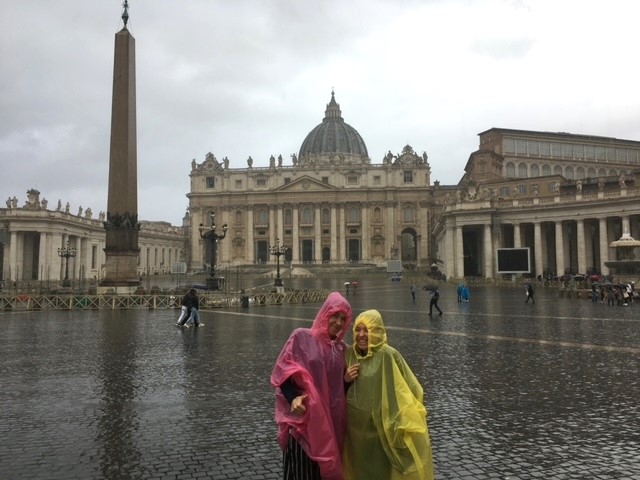
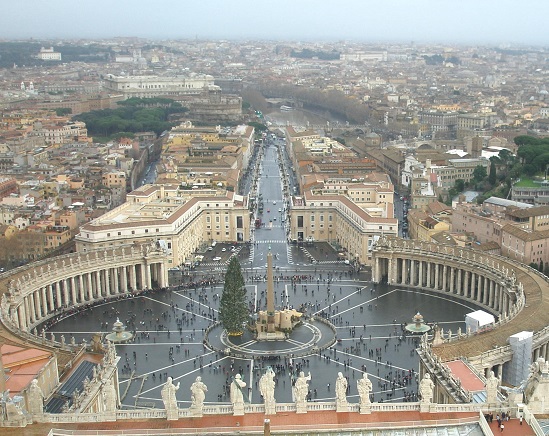
Vatican City has four post offices. The largest is inside the Porta Sant’Anna and is reserved for Vatican employees. There’s a mobile post office on St. Peter’s Square, another inside the Vatican Museums, and a full-service counter at the tourist information office on the left side of St. Peter’s Basilica. That last one also has a wide range of souvenirs and postcards — and the option to send registered mail.
Since the country uses the Euro, and quite a few of our friends asked us to bring back some of the rare Vatican euro coins. So, we had another mission. Simply exchanging coins wasn’t possible, so Andry came up with a clever plan: postcards cost €1.50, so we paid for each one separately with a €2 coin — and received a 50-cent Vatican coin in change each time.
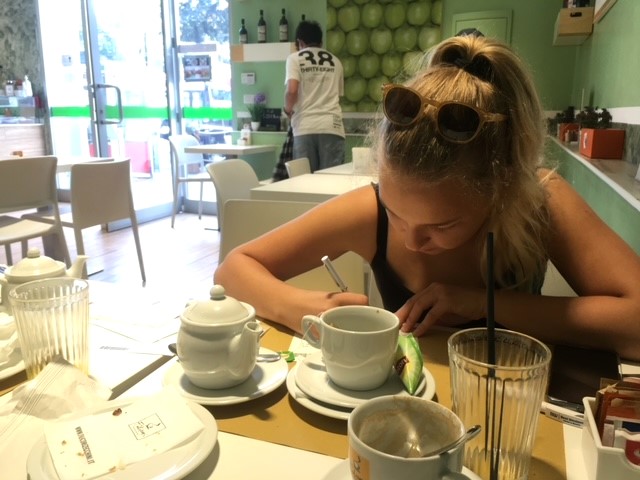
Once our postcards were written, we were ready to send them off. Andry tried to get his hands on the date stamp to mark them himself — something we’ve occasionally been allowed to do in other countries. Not in the Vatican, though. Understandably so. Many tourists dream of getting that postmark in their passport, since there are no border stamps when entering Vatican City.
Though country is entirely surrounded by Italy, the Vatican postal system operates independently. Nearly all outgoing mail is sent by air — unless it’s addressed within Italy. To our surprise, a postcard to my sister in Estonia arrived in just four days, while one sent to Germany took ten.
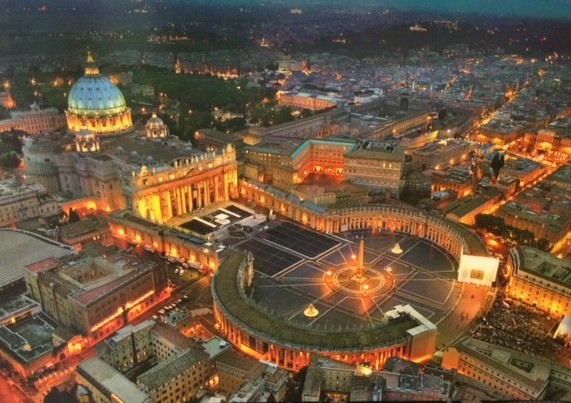
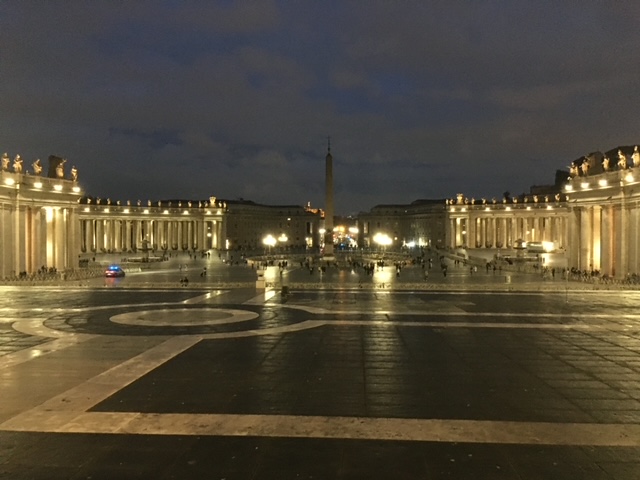
Vatican City impressed us far beyond its postal service. Though the post office had long closed, we returned that evening to St. Peter’s Square, just to stand in its glow once more. There’s a kind of gravity there — a quiet pull that speaks not only to faith, but to something more universal. While not everyone shares the same beliefs — or any at all — few can deny the symbolic weight of this moment. A new pope may not unite the world in faith, but his words and actions can still resonate across cultures and borders.
In a time when peace feels fragile, we can only hope for a voice that speaks to our shared humanity.
If you’d like to read future entries from this post office diary, you can subscribe here.
 Exploring the Unexpected