
- Visit date: 18.June 2024 and 20 June 2024
- The visited post office: Kolonia Post Office and Palikir Post Office in Pohnpei and Weno Post office in Chuuk
- Cost of sending mail: 0,53 USD to USA, 1,55 USD International Mail
- Postcard availability: Post Office in Kolonia Post in Pohnpei and
- Postcard Delivery Times: Fastest_ 9 days to USA
The Federated States of Micronesia (FSM) is a stunning island nation in the western Pacific Ocean, consisting of over 600 islands spread across four states: Yap, Chuuk, Pohnpei, and Kosrae, each of these states has its own distinct culture and history. With a population of approximately 115,000 people, Micronesia is known for its rich cultural heritage and breathtaking natural beauty. Formerly part of the U.S.-administered Trust Territory of the Pacific Islands, the nation gained independence in 1986 through a Compact of Free Association with the United States. While FSM operates its own postal system, international mail is still routed through the United States due to the Compact of Free Association.
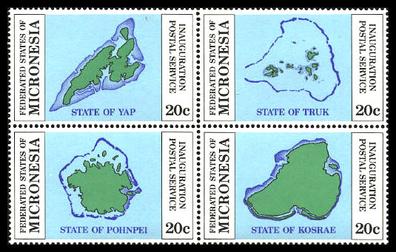
The first post office in the Caroline Islands, which include the FSM, was established by Germany in 1899, issuing stamps inscribed ‘Karolinen’ until 1914. Following Japan’s occupation during World War I, Japanese stamps were used in the region. After World War II, the islands became part of the United Nations Trust Territory of the Pacific, administered by the United States, during which American stamps were utilized. Upon gaining independence in 1986, the FSM began issuing its own postage stamps, with the inaugural series released in 1984 depicting the nation’s four states: Yap, Chuuk, Pohnpei, and Kosrae.
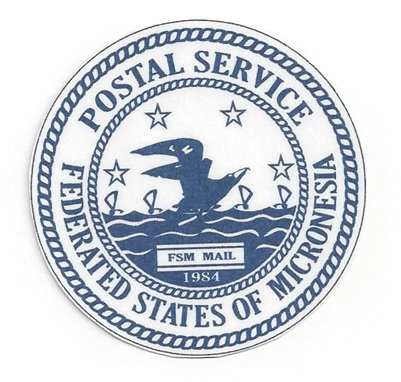
Federated_States_of_Micronesia stampworldhistory.nl, Postage stamps history, FSM Postal Services, FSM Stamps
Our Visits to Three Post Offices in the Federated States of Micronesia
We flew into Micronesia from the Marshall Islands on a United Airlines flight. Before arriving, we had read that the four states of Micronesia were all quite different. However, we only had the chance to visit post offices in two of them.
Our plane made a short stop in Kosrae, where we were able to step outside for a bit.
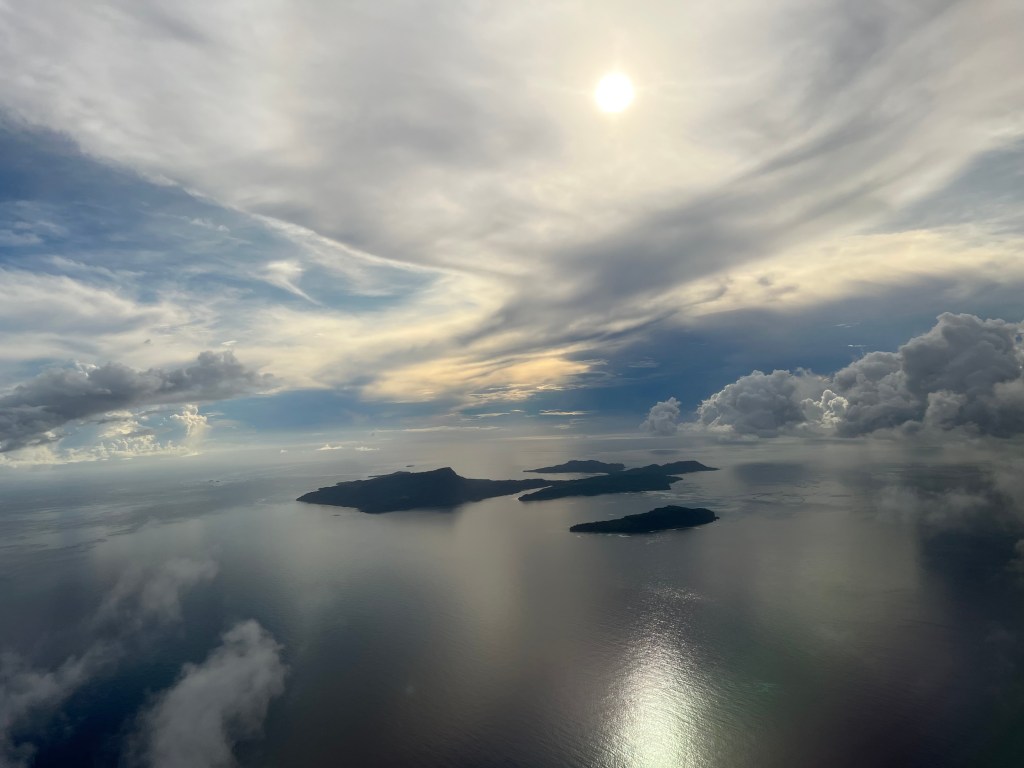
Kosrae was the kind of place where you immediately stand out as a foreigner—not in a bad way, just because tourists are so rare. When we stepped off the plane, we became the center of attention. The entire airport seemed to pause for a moment to watch us. People stared openly, and if we made eye contact, they didn’t look away. It wasn’t rude—just pure curiosity.
But our first real stop, where we actually had time to explore and visit a post office, was Pohnpei. Instead of curious stares, we were met with friendly, unexpected greetings from almost every local we passed. With only 4,600 people living on the island (which is 340 km² in size), it seemed like saying hello to strangers was simply the norm. Naturally, we greeted them back.
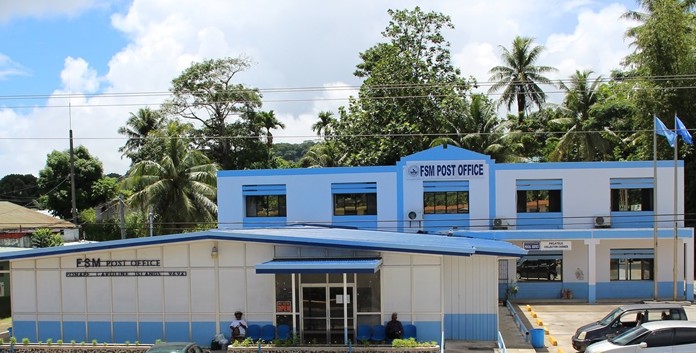
The post office in Kolonia, Pohnpei’s main town, was located right on the main street, about 1.5 km from our hotel, Cliff Rainbow. It also served as a tourist information center.
In addition to a great selection of postcards, they sold locally made souvenirs and art. And by “locally made,” I mean truly local—not mass-produced “Made in China” trinkets. Everything from magnets to notebooks was crafted by Micronesian artists.
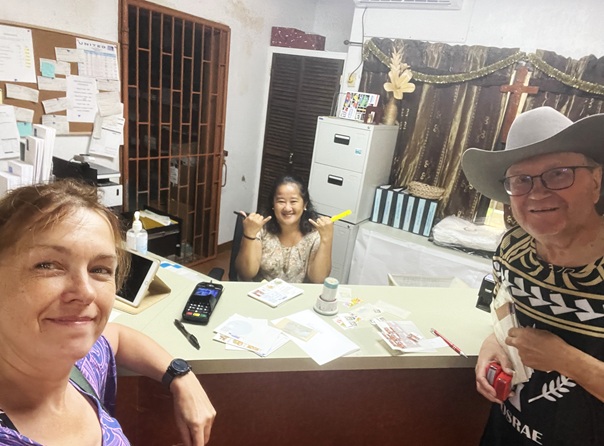
To this day, my favorite souvenir from that stop is a banana-leaf cardholder I bought there. It’s still in daily use and has held up surprisingly well.
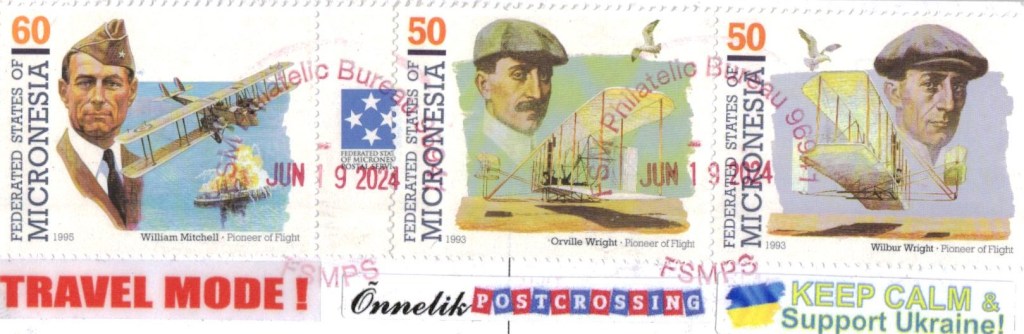
At the info center, we also picked up some details about Nan Madol, an ancient city built between 500 and 1500 AD during the Saudeleur Dynasty. Often referred to as the “Venice of the Pacific,” it’s one of the most significant archaeological sites in Micronesia.
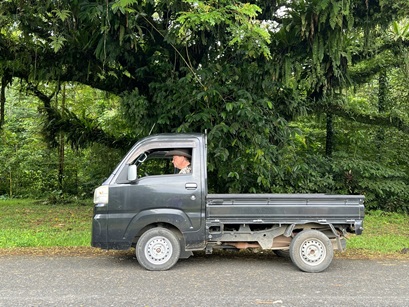
We wanted to visit, but there was one small problem—we hadn’t arranged for a rental car.
After calling every rental company, a helpful hotel receptionist finally found one last available vehicle: a small manual pickup truck that had seen much better days. It wasn’t ideal, but it would have to do.
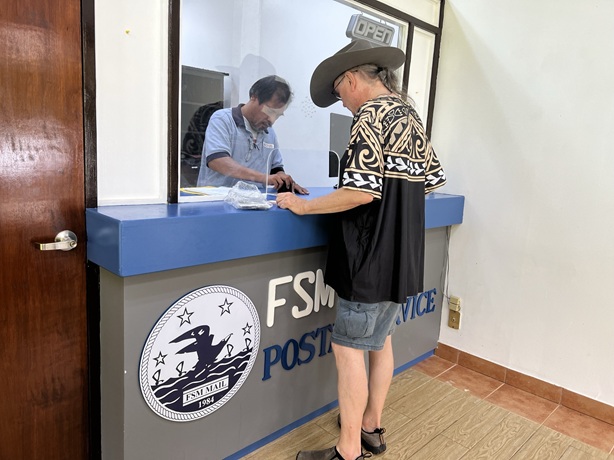
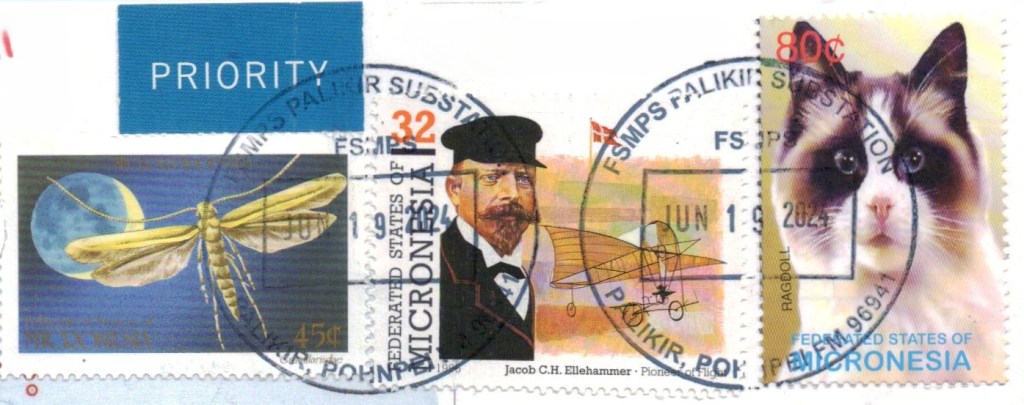
Our first stop with the truck wasn’t Nan Madol but the Palikir post office, located in a very quiet area near the government buildings.
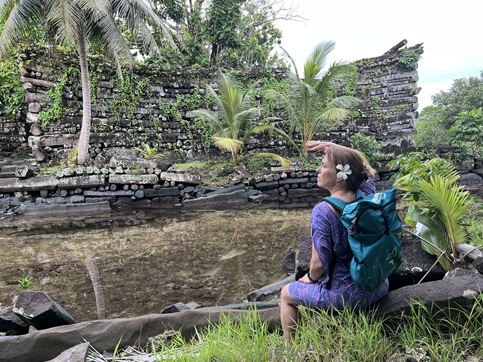
From there, we made our way to the giant eels (yes, you read that right), and then finally to Nan Madol, which was absolutely worth the trip—untouched, powerful, and like nothing else we had ever seen.
Before even leaving Pohnpei, the airline announced several times that our flight was overbooked. Anyone willing to delay their trip by four days would receive $2,500 in United Airlines credit. Tempting, but our schedule was too tight.
Next, we flew to Weno island, Chuuk State. During World War II, at least 50 Japanese warships and cargo vessels were sunk here, making it a top diving destination and a major source of tourism revenue.
We landed in Chuuk but our luggage didn’t. And really, in that tropical climate, how much do you actually need beyond postcards and stamps? 😀 Luckily, we could buy swimming gear and snorkeling equipment although they were not easy to find.
Of course, Andry was prepared. He might leave behind first-aid supplies, but never travels without his postcard supplies— pre-addressed labels, Micronesian stamps we’ve bought from philatelic secondary markets in Europe and also some local postcards.
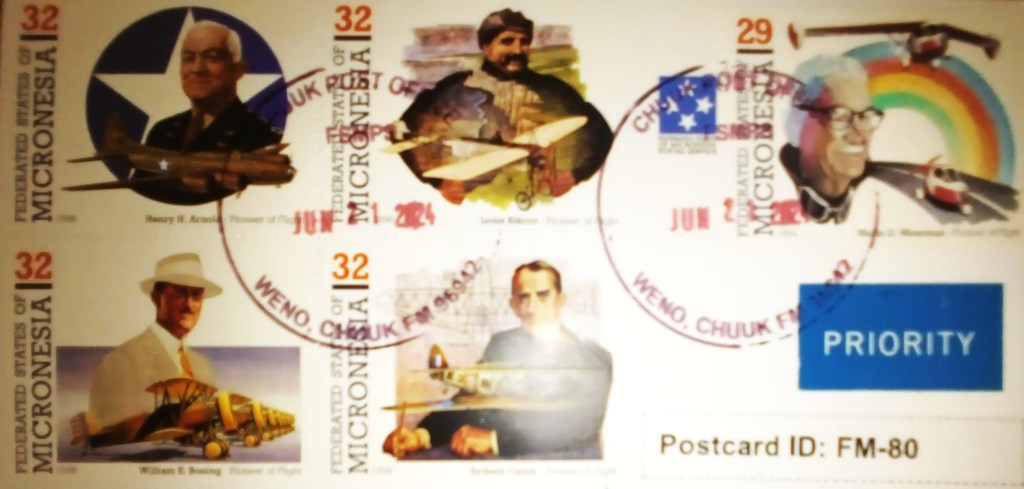
As it turned out, the island was about to receive a lot more unexpected guests. The plane we arrived on had a technical issue, and everyone on board got put up in the island’s three hotels!.
Despite this influx of people, the post office was empty when we visited. We had it all to ourselves. The post office near the airport didn’t sell postcards, though.
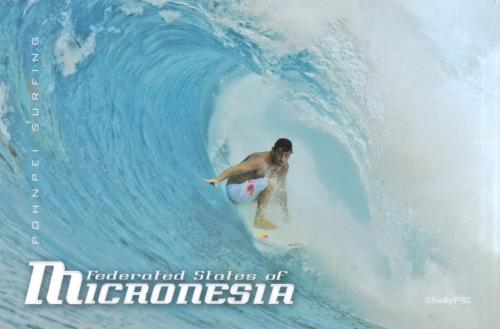
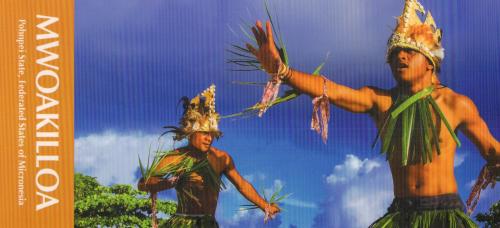
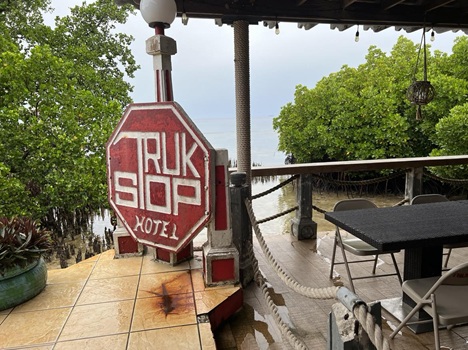
We got those at the Truk Stop Hotel’s souvenir shop.
We also rented a car in Chuuk. It was a sharp contrast to the previous island’s ride. The car we got here only had 384 miles on it. We didn’t add much to its mileage, though. There weren’t many roads and they were rough. There were also a lot of other cars. Despite driving from one end of the island to the other several times, the gas level didn’t even drop. The average speed was 7 km per hour. I snorkeled, but didn’t have time to dive, but instead, we visited the Japanese lighthouse on the other side of the island. Our more detailed visit to the islands: Micronesia
Our average speed? Seven kilometers per hour.
By the third evening, our bags finally caught up with us—just in time to repack for our early morning flight to the next destination. Despite the lost luggage, overbooked flights, and the very slow car ride, our Micronesian postcard-mailing mission was a success. We survived on postcards, luck, and a healthy dose of island spirit. If you’re planning a trip to the Federated States of Micronesia, pack light… and maybe book your rental car in advance.
If you’d like to read future entries from this post office diary, you can subscribe here.
 Exploring the Unexpected