
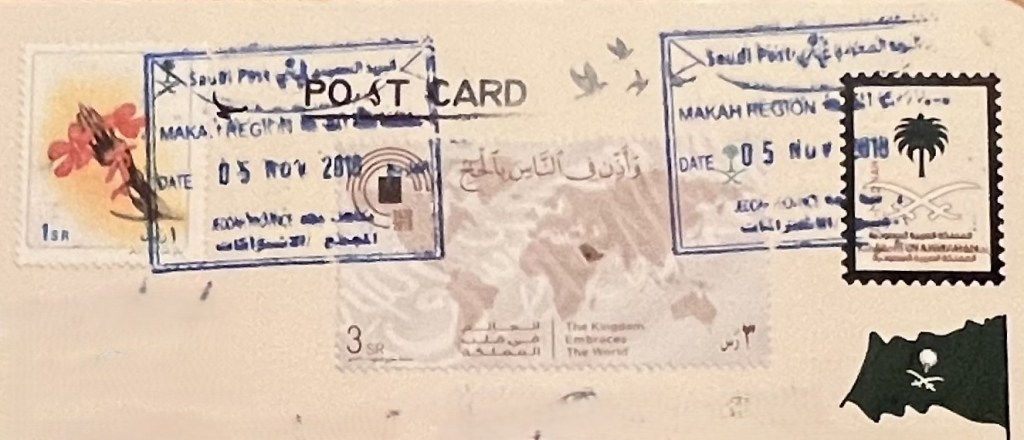
- Visit date: 05.11.2018
- The visited post office: Jeddah Post Office
- Cost of sending mail: 4 SAR (about 1 EUR)
- Postcard availability: Historical part of Jeddah
- Postcard Delivery Times: Fastest: one month and 11 days to Germany
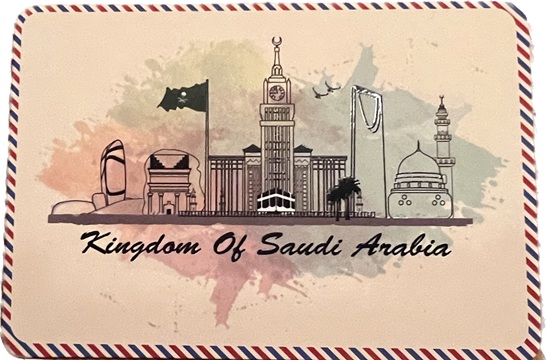
Saudi Arabia, the largest country in the Arabian Peninsula, is a land where ancient traditions meet rapid modernization. Known as the birthplace of Islam, it is home to the holy cities of Mecca and Medina, drawing millions of pilgrims each year. Beyond its religious significance, Saudi Arabia boasts vast deserts, big cities and a rich cultural heritage shaped by Bedouin traditions.
Brief history of Saudi Arabia Postal Services,سُبل
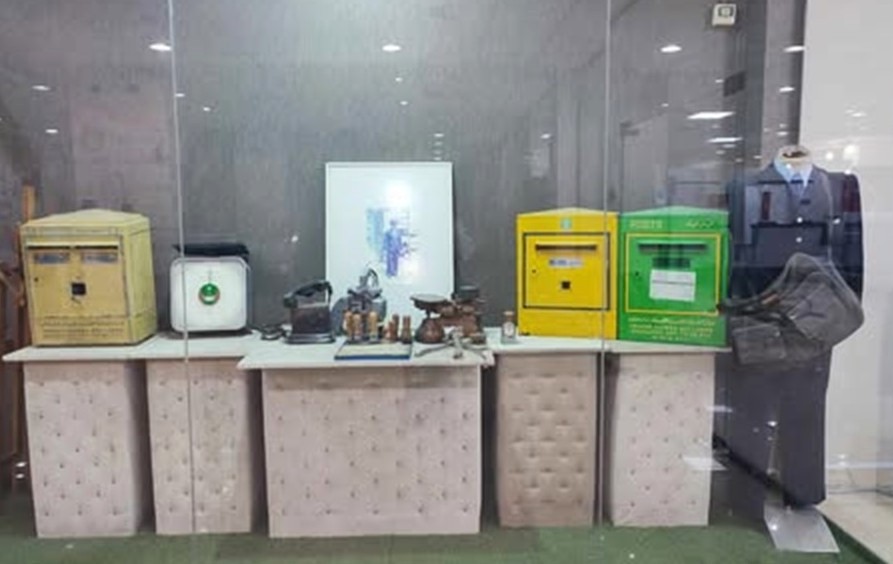
Saudi Arabia’s modern postal system began in 1926 when Saudi Post (“al-Bareed”) was officially established under the rule of Ibn Saud. It became a key national institution, reflecting the kingdom’s development.
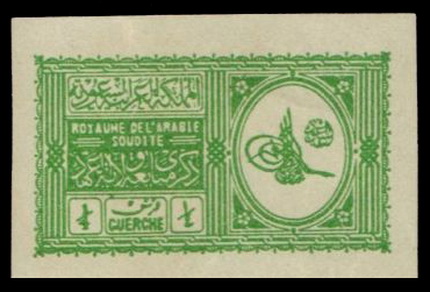
In 1934, Saudi Arabia issued its first official postage stamp, featuring Arabic calligraphy and national symbols. This marked the unification of postal services after the Kingdom of Saudi Arabia was formed in 1932.
Throughout the 20th century, Saudi Post expanded, setting up post offices nationwide and improving mail distribution. In the 2000s, modernization accelerated, introducing digital services and logistics solutions. Wasel, launched in 2005, created a GIS-based addressing system, making home deliveries more efficient.
Today, Saudi Post operates as SPL (Saudi Post & Logistics), offering international shipping, e-commerce logistics, and digital postal services, continuing to evolve in the digital age.
Sources: Wikipedia Saudi Post, Saudi_Arabia Women rights in SA
A Postal Stop and More: Our Time in Saudi Arabia
Alright, so, get this – our trip to Saudi Arabia was back in early November 2018. We were a group of thirteen, and things were already changing fast! But since tourist visas weren’t a thing until September 2019, we needed to find another way in. So, we all went with business visas, under the title “tourism researchers.”
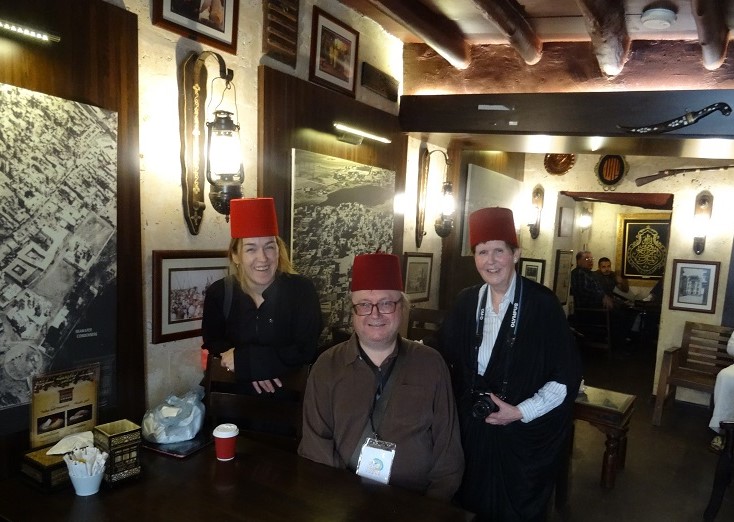
One of the biggest changes happening at the time was women getting the right to drive, just a few months earlier on June 24, 2018. There was also a buzz about how local women might be able to ditch the all-black abayas and maybe have a cool gray stripe or something on the hem. Of course, the rules were a bit more chill for us foreigners. But, being me, I was already prepared with a black abaya with pockets I’d picked up years ago in Iraq.
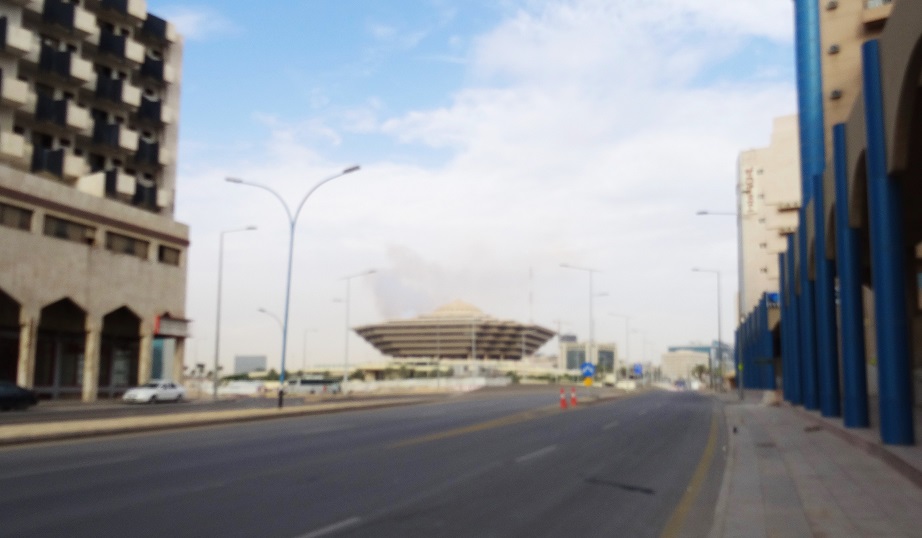
So, on my first morning in Riyadh, where our trip began, I bundled myself up in my abaya and headscarf and set off to explore, hoping to find some postcards. Our hotel was about a kilometer from the center. Big roads, not a lot of traffic. On the way, I snapped a picture of this building in the distance – it was architecturally wild! Monumental, modern, geometric… I was totally intrigued.
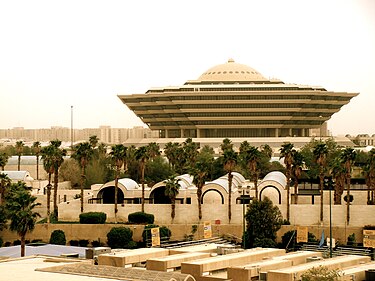
Less than five minutes later, a car pulls up next to me, and three uniformed guys basically forced me inside. We drove to the guardhouse of that same building. They were firing questions at me in Arabic – who was I, why was I taking pictures? Luckily, even though my Arabic vocabulary is limited to greetings, I got the gist. I handed over a copy of my passport, my iPad, and my backpack. They were looking at me with these intense faces, flipping through the photos on my iPad, checking my bag. Since it was the first day of the trip, and I’d deleted almost all my old photos beforehand, there wasn’t much to see. These guys were glaring at me, making calls… They deleted the photos from the iPad’s photo album and the ‘deleted’ folder too. They searched my bag thoroughly. What a welcome to Saudi Arabia. By that point, I had already figured out that the building I had photographed from afar with both my iPad and my camera was the Ministry of Interior.
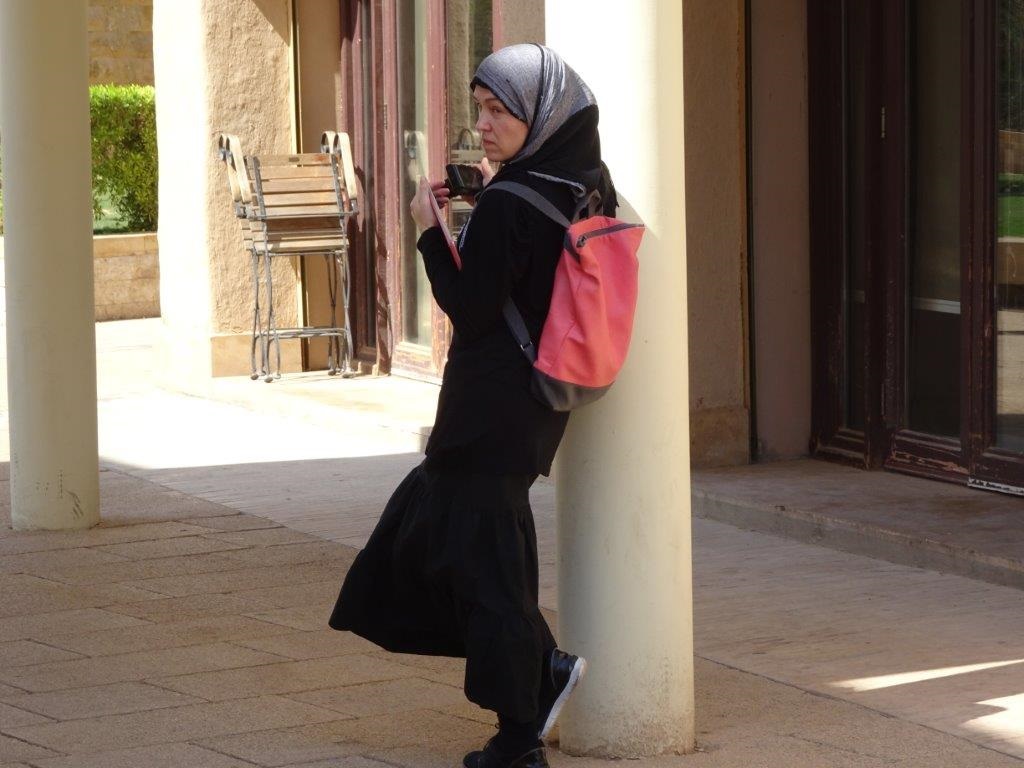
I stood in front of them and waited. Then they told me to sit down, and I waited some more… maybe about half an hour. The news I had read about the country before didn’t make it clear what a serious crime I had committed and what they would do to such offenders. Did you know that Saudi Arabia still has punishments like stoning to death and beheading with a sword? I wasn’t worried about that, of course, but getting detained wasn’t high on my to-do list either.
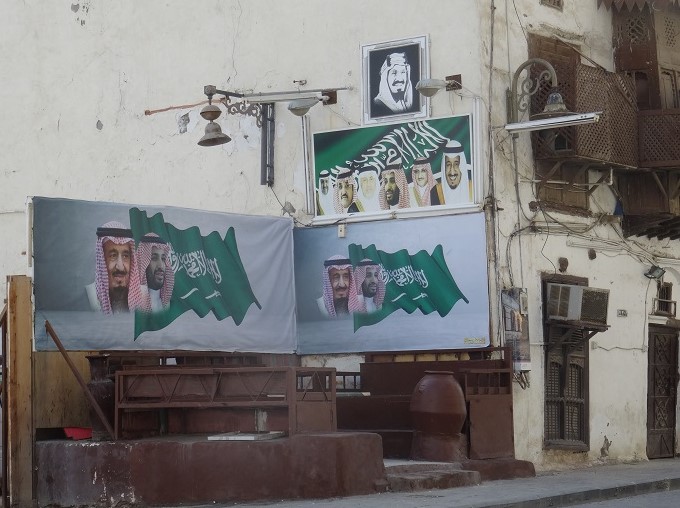
Eventually, they gave me back my iPad and waved me away. “Shukran” (thank you) and “Maa as salama” (goodbye), I managed to squeak out. Still shaking, I walked to the Hilton hotel, which was 500 m away in the city center, which was not the hotel we were staying at, but the closest one after leaving the ministry. I got a cafe latte and, using their local wifi, messaged Andry and the group that I would be there soon. The whole postcard thing was obviously a bust that morning. But, the camera, which was chilling in my abaya pocket with those “criminal” photos, only came out when I got back to the hotel. ( Yes, I had taken pictures with two different devices, and while I wasn’t trying to hide those “criminal” pictures, in the guardhouse I just did what they asked. The camera wasn’t on my mind at that point!)
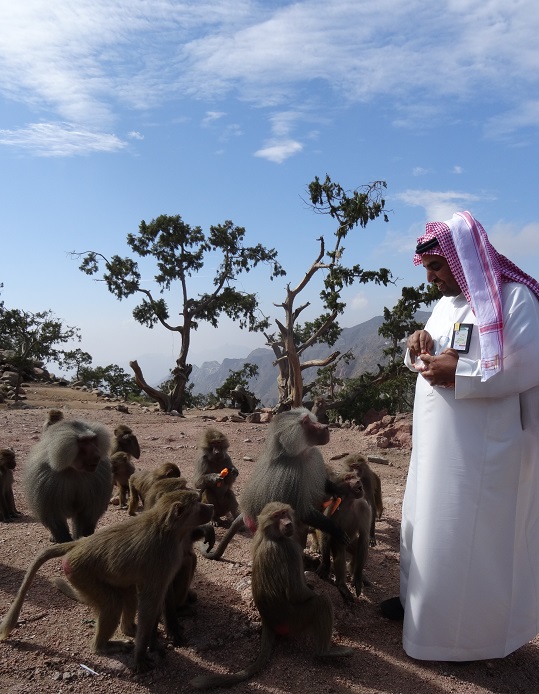
So… Turns Out There Are Strict Photography Rules Here. A Surprise in Retrospect:
- You need permission from the Ministry of Culture and Information to film or photograph government buildings and military sites.
- Avoid photographing locals without their permission.
- Be culturally sensitive—don’t photograph women without headscarves.
- Avoid filming or taking photos political protests or other sensitive topics.
The punishment for taking pictures without permission in Saudi Arabia is as follows:
- A fine of at least 300 Saudi riyals and up to 500,000 Saudi riyals.
- Imprisonment for a period of not more than one year and not less than two weeks.
With at least 300 riyal safely saved and having made it back to the group, we departed from the hotel at one o’clock. During the week we visited different cities: Riyadh, Jeddah, Taif. Medina and Mecca were off-limits to us as non-believers.
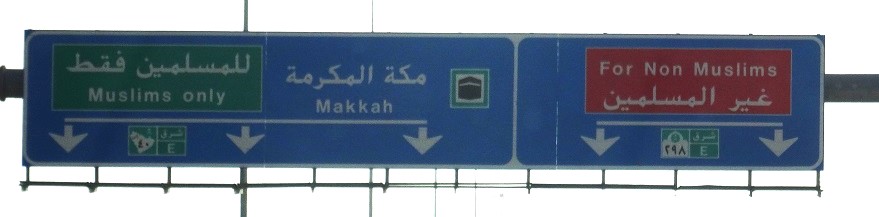
Of course, we went to admire falcons and camels, desert and architecture. We ate some seriously amazing food ….so we fulfilled our duty as a tourism researchers.
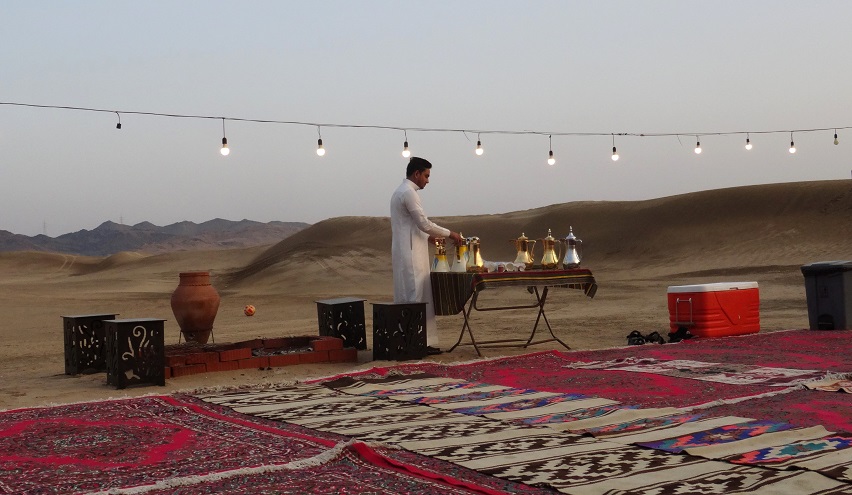
What a country, full of incredible sights!
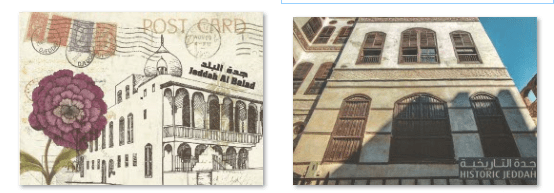
As for postcard shopping, that finally happened in historic Jeddah. Amid small shops and cafés, in a district where some buildings are over 500 years old, we found a decent selection.

Our only opportunity to visit a post office was also in Jeddah. No problem getting a date stamp for Andry—he got to stamp the postcards himself.
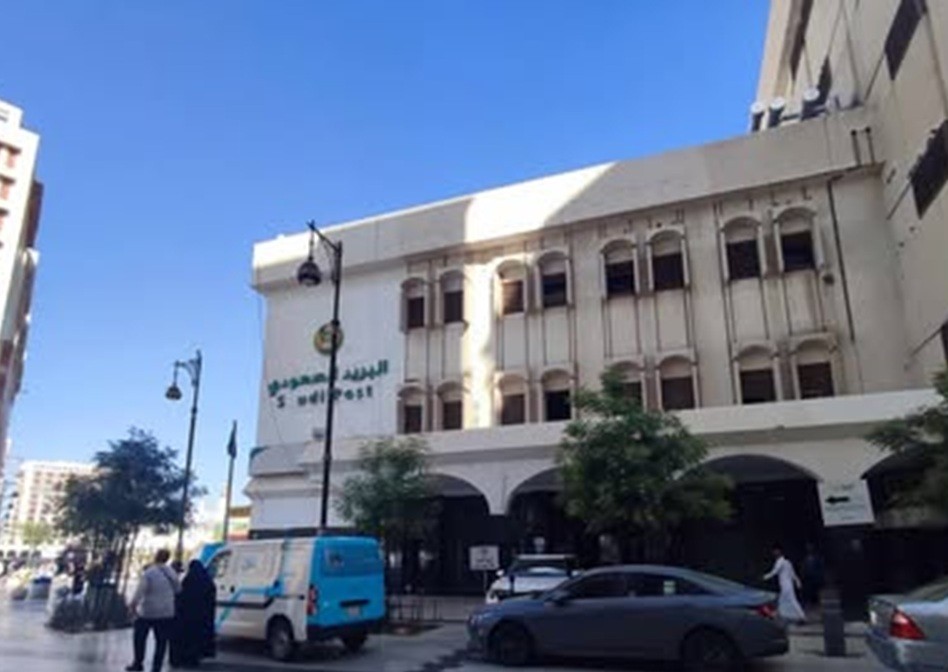
For the rest of the trip, I didn’t take any more pictures of government buildings, including the post office. The photos of the post office on my blog? Those are from Italian postcrosser Pasma, who visited the country in January 2025.

Then, just like that, it was almost time to leave. Even though my trip had a bit of a rocky start, I soon got my nerve back enough to start asking those awkward questions again. Of course, I was curious about women’s rights. When I asked our local (male) guide about the driving situation, he told me that, yeah, women could drive now, but they had to go to school and learn first, unlike the men, who had been driving all along… So, yeah, while everyone who drives needs a license even in Saudi Arabia, the way he said it, you’d think only women had to prove they knew what they were doing!
If you’d like to read future entries from this post office diary, you can subscribe here.
 Exploring the Unexpected