
- Visit date: January 23 2024
- The visited post office: La Poste Burkina Faso in Ouagadougou
- Cost of sending mail: Europe 690 (~1,1 Eur), rest of the world 830 CFA Franc (~1,3 Eur)
- Postcard availability: Postcards were available outside the post office gates and at the art market, priced between 300 and 500
- Postcard Delivery Times (Europe): Fastest 14 Days
Burkina Faso (formerly Upper Volta) is a landlocked country located in West Africa. It is bordered by six countries: Mali, Niger, Benin, Togo, Côte d’Ivoire, and Ghana. Burkina Faso gained independence from France in 1960 and officially changed its name in 1984. Its official languages are Mooré, Bissa, Dyula, and Fula (with Mooré being the most widely spoken), in addition to sixty other recognized indigenous languages. French was the official administrative and business language until January 2024, when its status changed to “working language” alongside English, according to a constitutional amendment; our visit coincided with this transition and the recent departure of French forces.
Burkina Faso’s Postal History: A Brief Overview
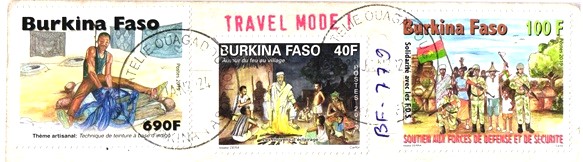
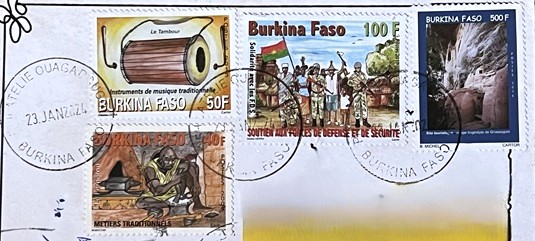
Burkina Faso’s postal service began in the 1890s under French colonial rule. The establishment of military posts laid the groundwork for early postal services. Before the creation of French Upper Volta in 1919, mail delivery was handled by neighboring colonies (Senegambia and Niger, and later Upper Senegal and Niger). Throughout the 1920s, various overprints and surcharges were used on existing stamps before a definitive set of 23 stamps featuring Hausa imagery (a chief, a woman, and a warrior) was issued in 1928. After Upper Volta’s re-establishment in 1947, its postal service remained under French control until the country gained independence in 1960. Upper Volta then became the Republic of Upper Volta and issued its first stamps in 1959, followed by a set depicting native animal masks in 1960. The postal service was reorganized in 1987 and 1997, resulting in the creation of La Poste BF (later SONAPOST until 2018), which continues to manage mail services today. Burkina Faso is also a member of the West African Postal Conference.
Sources: https://en.wikipedia.org/wiki/Burkina_Faso, https://en.wikipedia.org/wiki/Postage_stamps_and_postal_history_of_Burkina_Faso, https://laposte.bf/
Our Burkina Faso (post office) adventure started before the trip. We began planning our trip in spring 2023, but recent events in the country made the journey uncertain. I constantly checked the news, though updates were scarce. A coup had taken place in July 2023, and the last French troops were withdrawn in December. It was uncertain how welcome Europeans would be. Since Ouagadougou International Airport is located in the city center, we decided that if it seemed unsafe, we would only travel by taxi and, in the worst case, only between the post office and the hotel.
The reality was far different. Burkina Faso welcomed us warmly. We landed midday on a Sunday and immediately set out on foot to explore the city.The post office was closed, but we hoped to find postcards at the market. The large, open market, mostly selling local textiles and metalwork, was bustling with vendors but few customers; tourists were entirely absent. Local vendors perked up at the sight of us, though we didn’t find what we wanted initially. We sought a local fridge magnet, a football jersey with local symbolism for Andry and of course, postcards. Not wanting to miss a potential sale, vendors who lacked the items we sought readily claimed to know someone who could provide them. Word spread, and offers multiplied. Jerseys were plentiful but all smaller than Andry’s size. The African Cup of Nations was underway, with an upcoming Burkina Faso-Angola match, and Andry wanted to show his support. The postcards offered were hand-painted, not printed. No magnets were offered. An hour later, three men who’d seen us at the market located us in the city, proudly presenting (and selling) what turned out to be a slightly oversize T-shirt.
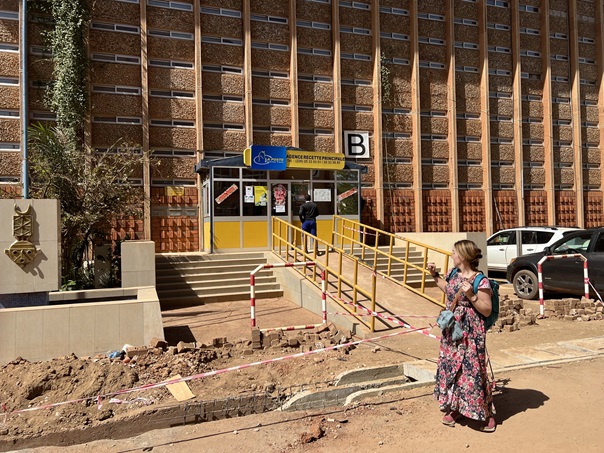
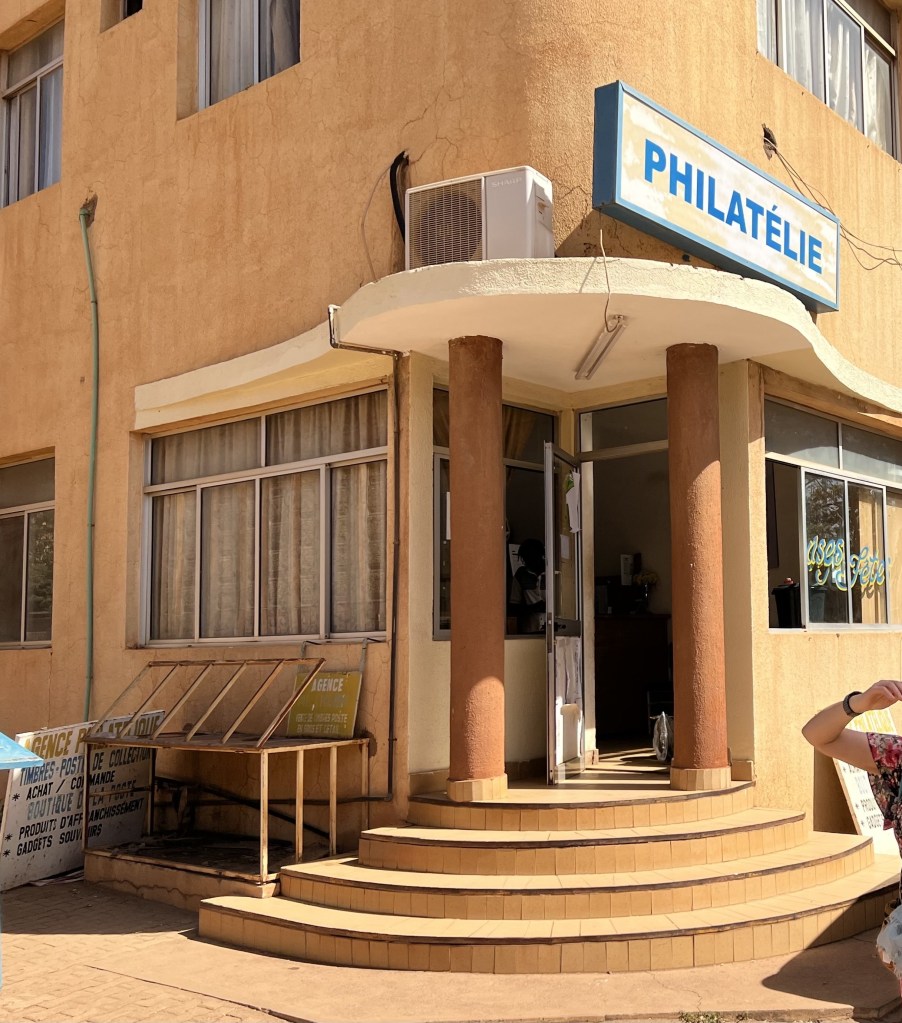
The next morning, our first stop was the post office. Two buildings comprised the postal complex: a large building housing the post office and a smaller one for philately. We’d acquired enough European stamps for 11 postcards from postmarks secondary market in Europa, but planned to send many more. The philatelic department had an excellent selection of postmarks.
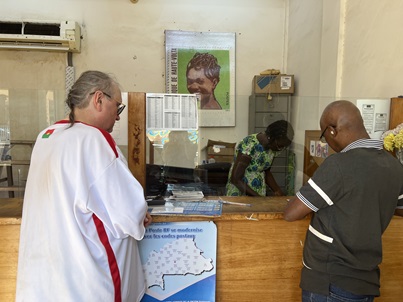
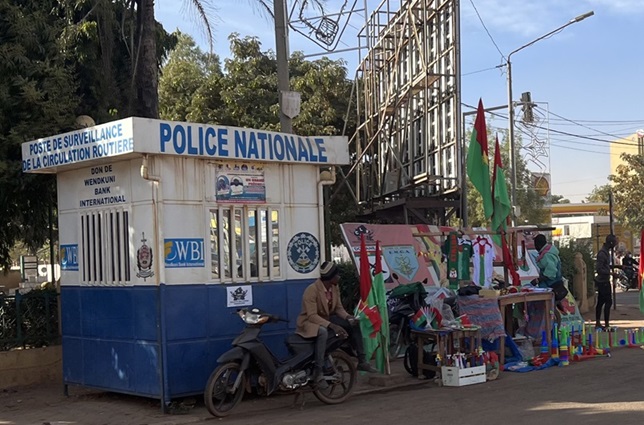
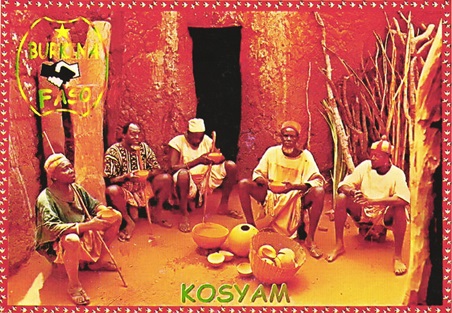
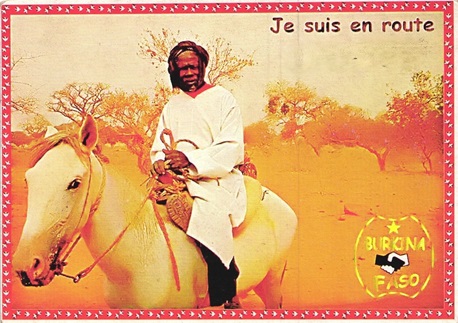
The attendant helped us choose and cancel them, mentioning that while tourists used to visit sometimes, mostly from France, there were almost none after the summer. Finding no other post offices in the capital, we visited the philatelic department almost daily and the main post office when it was closed. However, neither sold postcards. Thanks to the previous day’s market encounters, a postcard vendor was waiting outside the post office gates. The postcards were clearly printed at least 20 years ago, but both we and seller were delighted with the transaction. Our search for postcards continued, and later we discovered a small selection at the art market, which included some from Mali. Each postcard cost 500 XOF
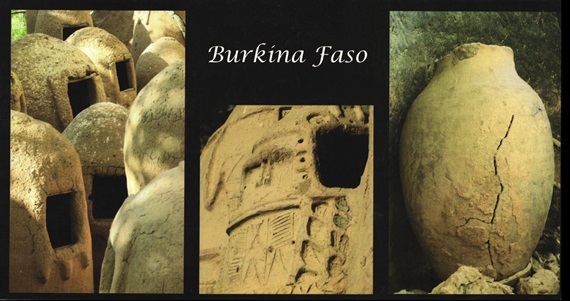
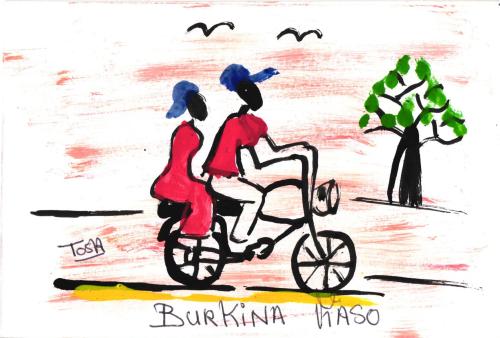
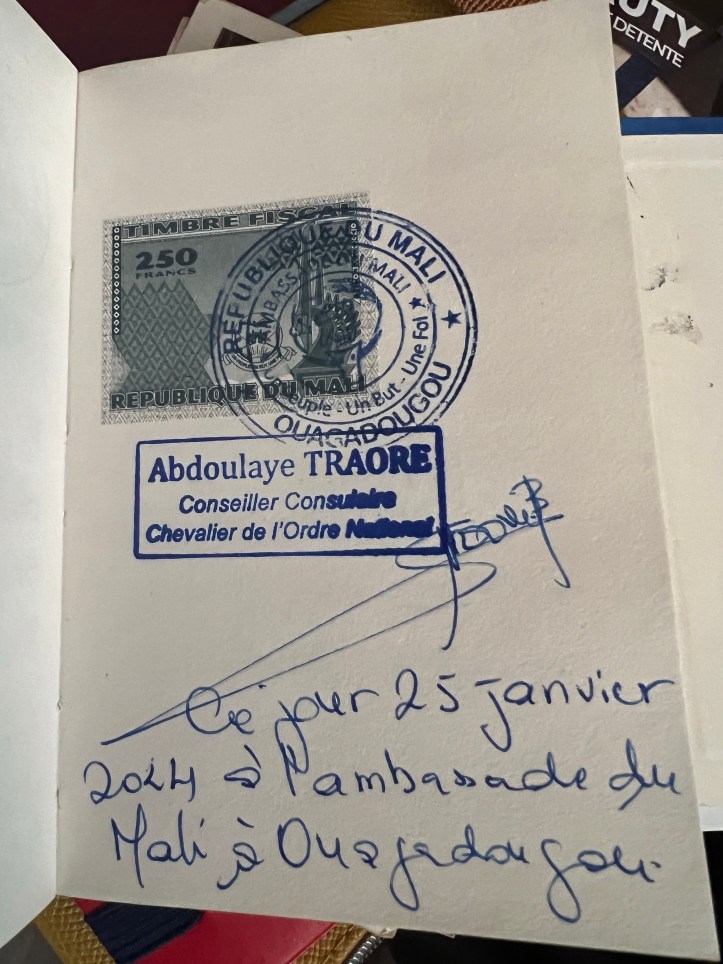
Unexpectedly, our most unique stamp came not from the post office, but from the Malian embassy. We visited to inquire about a visa for a trip to Mali sometime later that year. Although we didn’t receive a visa, the ambassador gave us a tour of the embassy, a pleasant conversation, a very special stamp, and a personal entry in our travel journal.
Leaving Ouagadougou feels bittersweet. The post office, the vibrant culture—the football, dance, theater, and music festival (detailed in my post).—have filled my heart. Burkina Faso has a special place in my memories.
Until next time!
If you’d like to read future entries from this post office diary, you can subscribe here.
 Exploring the Unexpected