
- Visit date: January 30 2019
- The visited post office: Luanda Cental Post Office
- Cost of sending mail: 300 AOR (or 50 AOR with postcard)
- Postcard availability: Post Office, Espelho da Moda shop
- Postcard delivery time: Germany- 9 days, USA-13 days, Estonia 5 years and 20 days.
- UPDATE, February 14, 2025: The postcard finally arrived in Turkey after six years and two weeks!
The Republic of Angola, a nation of striking geographical diversity situated on Africa’s southwestern coast, achieved independence in 1975, ending approximately 400 years of Portuguese colonial rule. Its immense territory, exceeding the combined size of France and Germany, encompasses a range of landscapes from coastal deserts to lush rainforest and high plateaus.
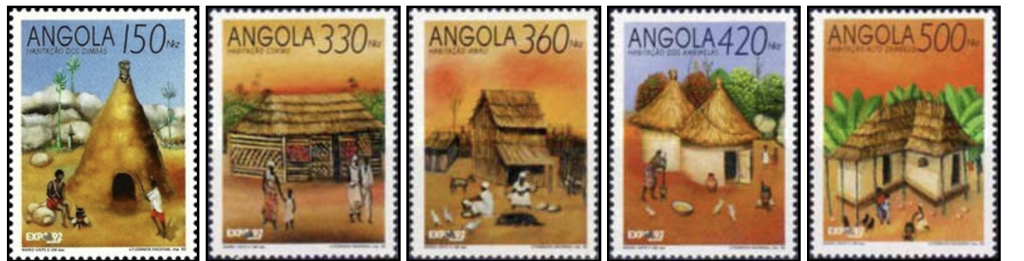
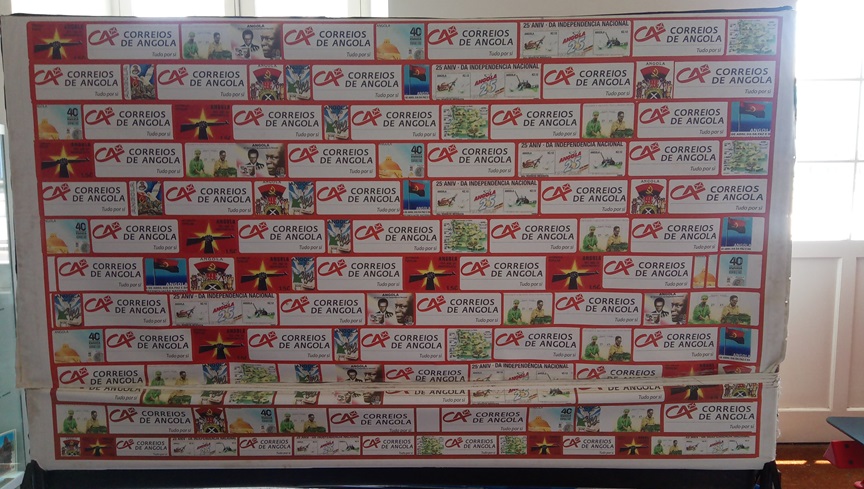
Angola’s postal history mirrors its colonial past and journey to independence. A Portuguese colony from the 16th century, it initially used the Portuguese postal service. Its first stamps, issued in 1870, depicted the Portuguese crown, reflecting colonial rule. Subsequent issues featured Portuguese monarchs and, from the 1910s onward, a complex array of overprints and surcharges. The Ceres series (1914-1926) proved more enduring, and commemorative stamps marked key events. Full-color definitive series in the 1950s showcased native flora and fauna. Separate stamps were issued for Cabinda Province as Portuguese Congo (1894-1920). Independence on November 11, 1975, ushered in a new era, marked by the first stamp depicting a hand holding a rifle. The post-independence program, initially conservative, evolved, gaining international recognition for its quality and thematic diversity, winning awards such as the Grand Prix of Philatelic Art from the PALOP countries and a prize in France for the “Traditional Angolan Housing” design. However, the civil war and subsequent economic instability influenced the later stamp production, including the emergence of unauthorized labels. Angola’s stamps therefore offer a compelling visual record of its complex history.
Sources: Angola Post, Estonian Newspaper, Wikipedia, stampworld
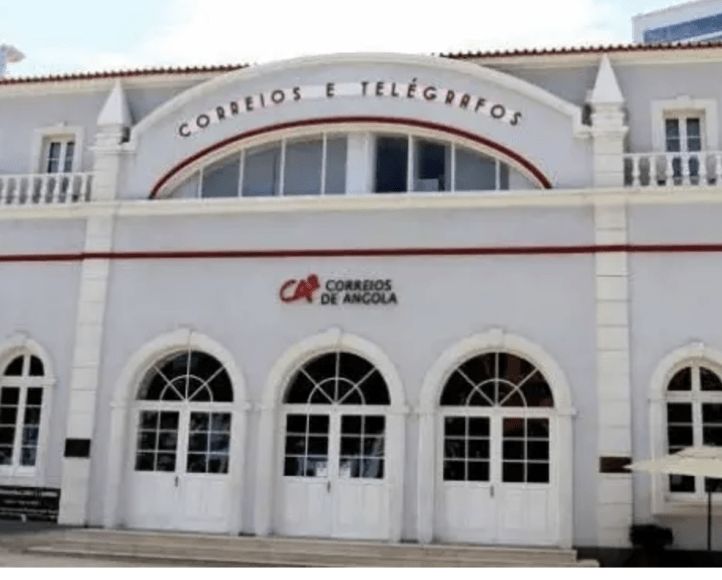
Our trip to Angola Post
Our January 2019 trip to Luanda, Angola, revealed a city with remarkably few tourists. The relatively new option of e-visas, introduced only in March 2018, had significantly altered the situation; previously, the lengthy and complicated visa application process had severely limited tourism. Angola’s unfamiliarity with a larger tourist influx was evident in an incident where two of our fellow travelers were briefly questioned by the police. While the situation was not frightening – no arrests or harassment occurred – the local police chief later visited our hotel to sincerely apologize for the less-than-ideal interaction.
My connection to Angola began in childhood. Growing up in a family with five children, listening to the international news with my father was a regular pastime. While most news ended with reports of unrest in East Timor or along the west bank of the Jordan River, one report stands out: the return of Saaremaa (Estonian island) fishermen from Angola, where they’d assisted with trawling as part of Soviet-Angolan cooperation. Although I didn’t know the location of East Timor, Angola felt even more remote and incredibly exciting for me as a child, given the limitations on international travel from Estonia at that time.
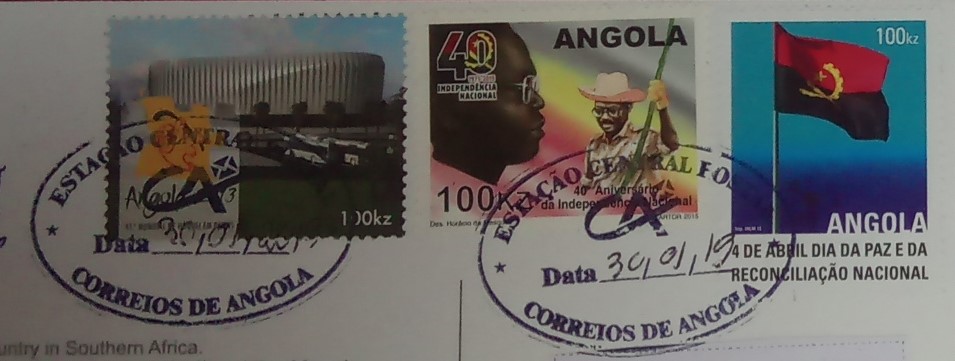
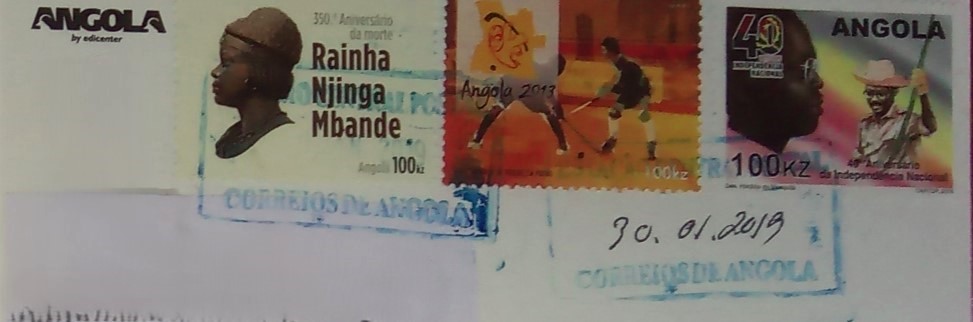
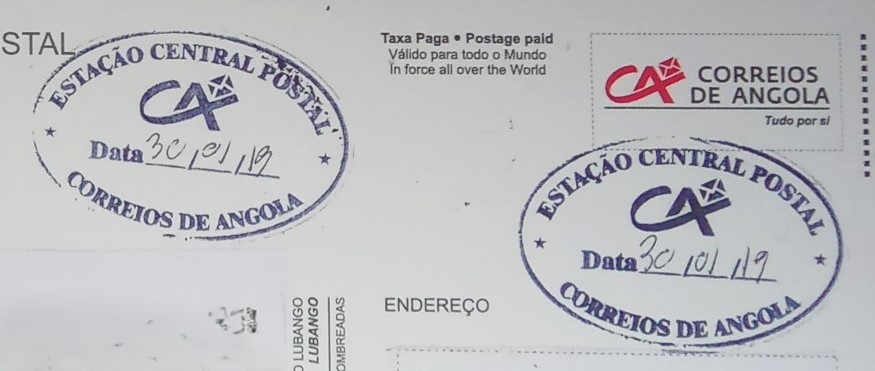
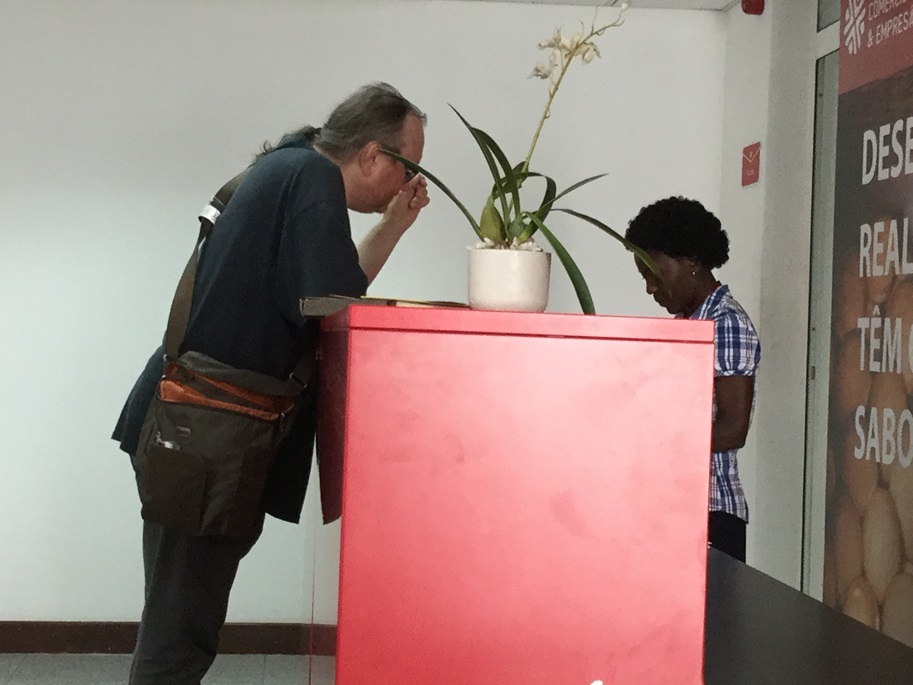
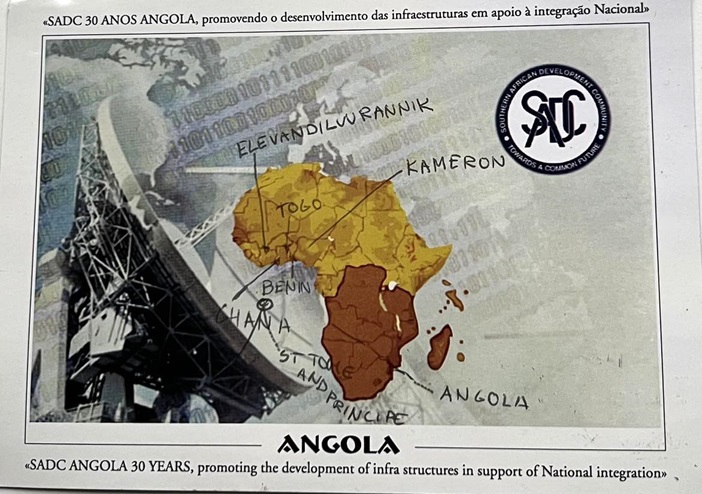
And here I was, finally in Angola! One of our goals was visiting the post office to send postcards. The only post office we visited was Luanda’s Central Post Office. It was strange that prepaid postcards (postal stationery), offering worldwide delivery, cost only 50 AOR, while stamps alone for international postage cost 300. Postcards were canceled at the post office using two different hand stamps, with the date added manually by the postal worker. We couldn’t find any regular postcards on our first day, neither at the post office nor in shops or museums. On the second day, while having lunch at a restaurant popular with office workers, we unexpectedly learned more about obtaining postcards. A fellow diner, amused by our unusual interest in sending postcards, suggested an art shop about a kilometer away. He also gave me a valuable lesson: this restaurant didn’t accept foreign bank cards; he spontaneously offered to pay for our lunch. (We paid in cash, however). Later, I asked why, considering we’d only known each other for fifteen minutes. His simple reply, “Because I can,” continues to inspire me to act differently in some situations. As promised, we sent him a postcard from Estonia, addressed: Name, Luanda, Angola, and a phone number. Whether he received it, we still don’t know.
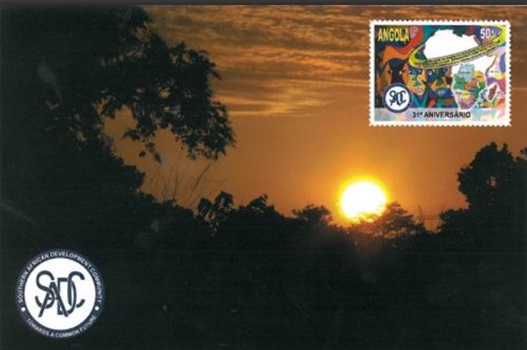
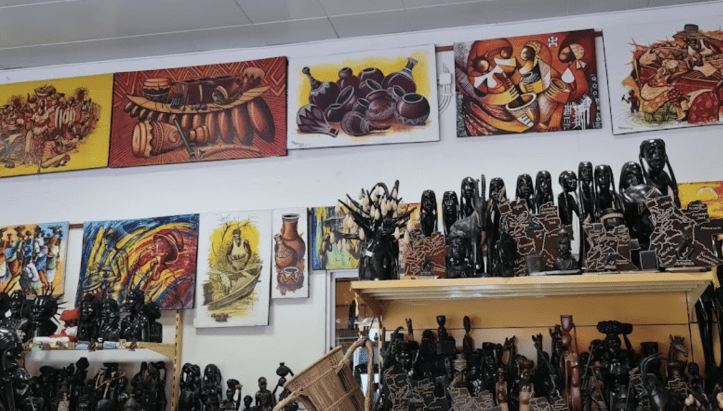
Espelho da Moda, the shop he recommended, was a charming artisan shop selling wooden African masks, paintings, jewelry, and a small selection of postcards. We bought a small painting (which still hangs in our living room) and, of course, postcards.
And so, it was time to leave. With a final wave to Angola and a heartfelt thank you for its hospitality, we departed, leaving behind a small package of Estonian treats at the post office as a token of our appreciation.
True greeting from our Angolan adventure arrived five years and twenty days later. My mother called, claiming a postcard had just arrived from Angola. Initially skeptical, I soon learned that two other Estonian friends also received postcards from Angola that same week. It remains my longest-traveling postcard to date.
Bye now! Until the next post office!
If you’d like to read future entries from this post office diary, you can subscribe here.
 Exploring the Unexpected