
- Visit date: March 14, 2020
- Post office visited: Hargeisa General Post Office
- Cost of sending mail: Domestically free. International mail was not available.
- Postcard availability: Postcards were sold at the airport beyond the check-in area.
Since 1991, Somaliland has been governed by democratically elected governments, yet it remains unrecognized by any UN member state. It functions as a de facto state and is often described as the largest unrecognized country in the world. This lack of recognition affects many aspects of daily life — including something as seemingly simple as sending a postcard abroad.
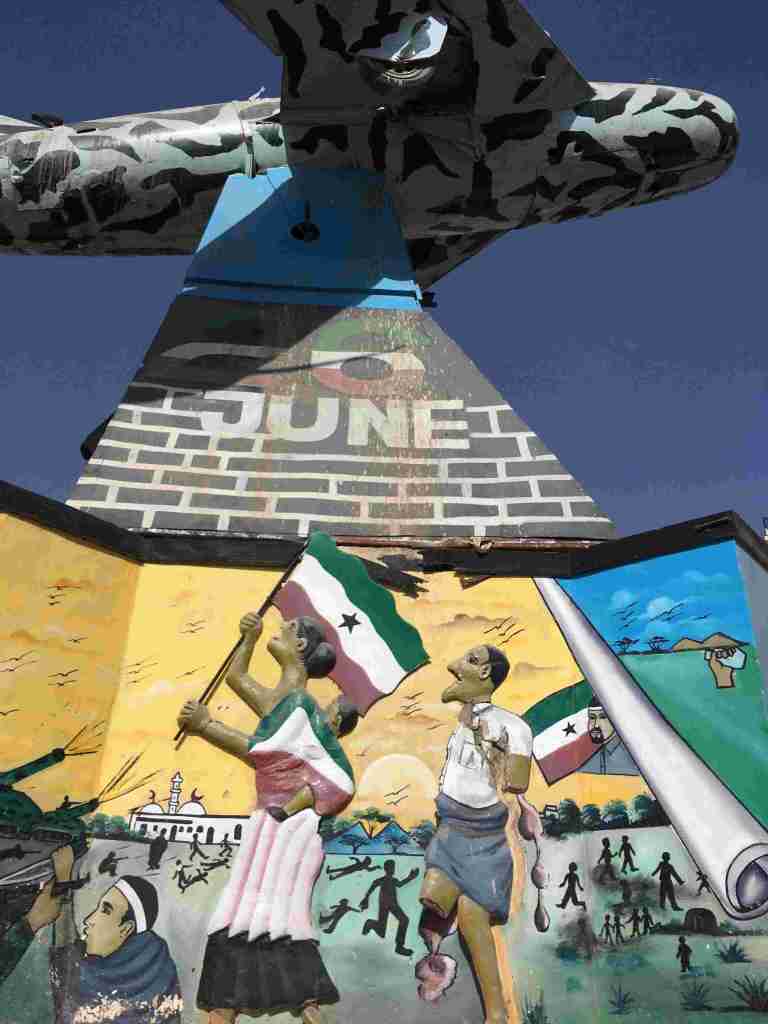
Brief note about Somaliland postal history
Somaliland’s postal history reflects the region’s complex colonial past. The area passed through Ottoman, Egyptian, Italian, and British control before briefly gaining independence in 1960 and merging with the former British Somaliland Protectorate to form the Republic of Somalia. Since Somaliland’s declaration of independence in 1991, the lack of international recognition has prevented the establishment of a fully functioning international postal service
Our visit to Somaliland:
We visited Somaliland on March 14, 2020, just days before borders around the world began closing due to COVID-19. The trip had been booked long in advance, and despite the growing uncertainty, we decided to go ahead. We traveled with a small Finnish group organized by Arial Travel and trusted our guide completely when it came to logistics and sights.
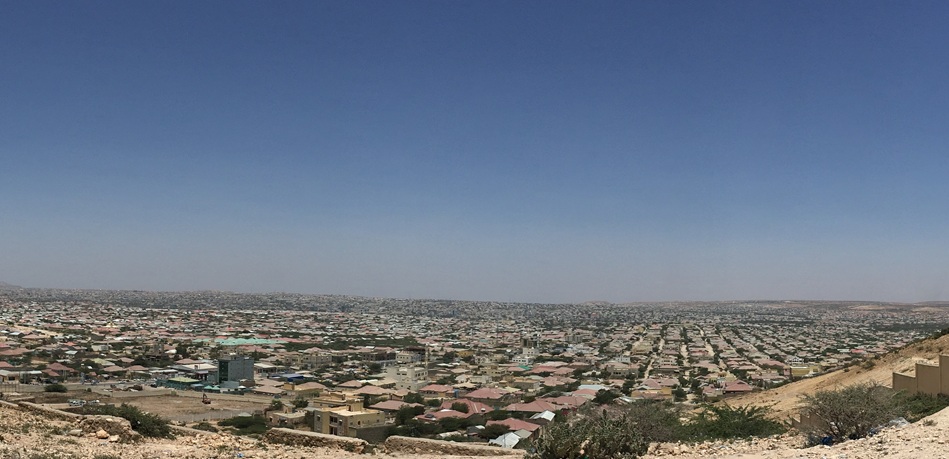
What proved surprisingly difficult to find beforehand was any concrete information about postal services. Our local guide didn’t consider it particularly important and simply said, “When you arrive, we’ll check.” Online, we eventually came across a short note on somaliland.com mentioning the opening of a new post office in Hargeisa on March 1, 2020. We tried contacting them by phone, messenger, and email — without success.
As a last attempt, we posted a question in a Somaliland Facebook group. A local man from Hargeisa, with excellent English, replied that he hadn’t heard about the post office himself — but he was willing to check for us. That message lifted our spirits. In the end, however, we reached the country before he had a chance to go there.
But first things first. After landing at Hargeisa International Airport, we were met by our guide and a small bus, which took us straight out of the city toward Laas Geel. That meant moving even farther away from where the post office was supposed to be — but there was no hesitation. The rock art came first.
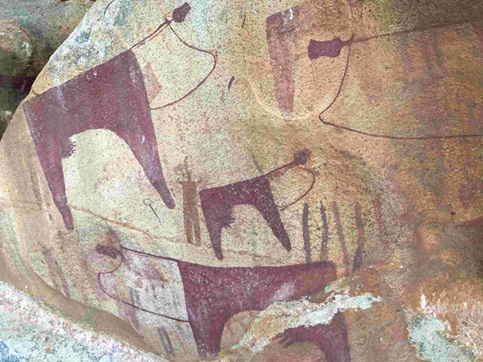
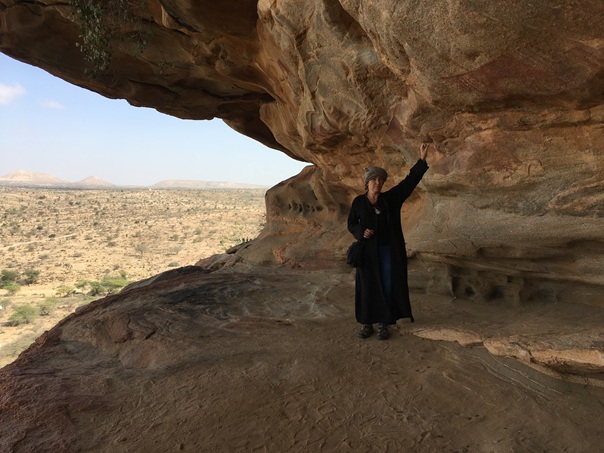
The drive there took a couple of hours along rough, potholed roads, slow enough that time seemed to stretch. By the time we reached Laas Geel, it was clear why the journey mattered. The ancient rock paintings — discovered in 2002 by a French archaeological team and estimated to be between 5,500 and 4,500 years old — were astonishingly close, close enough to touch.
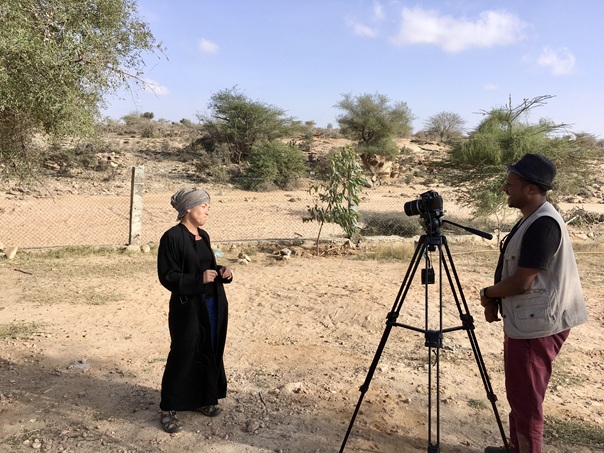
We reached Hargeisa after dark. Since moving around at night wasn’t recommended, the plan was clear: first thing the next morning, we would go and look for the post office ourselves.
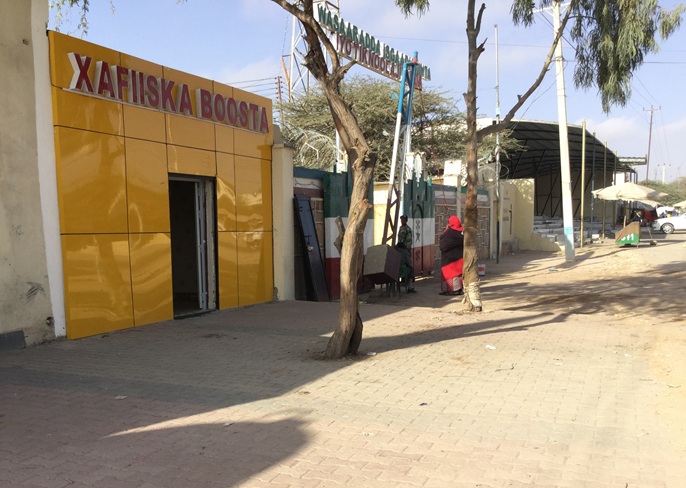
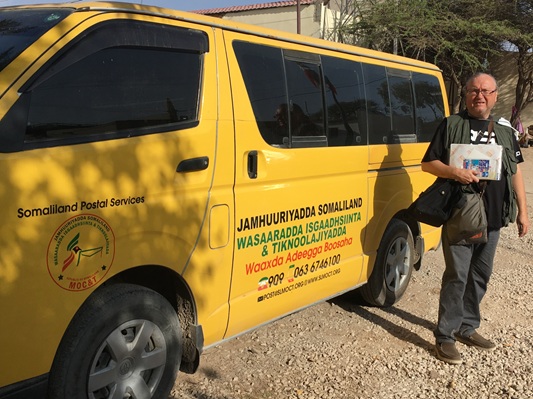
And there it was. A new van with postal logos parked next to the building.
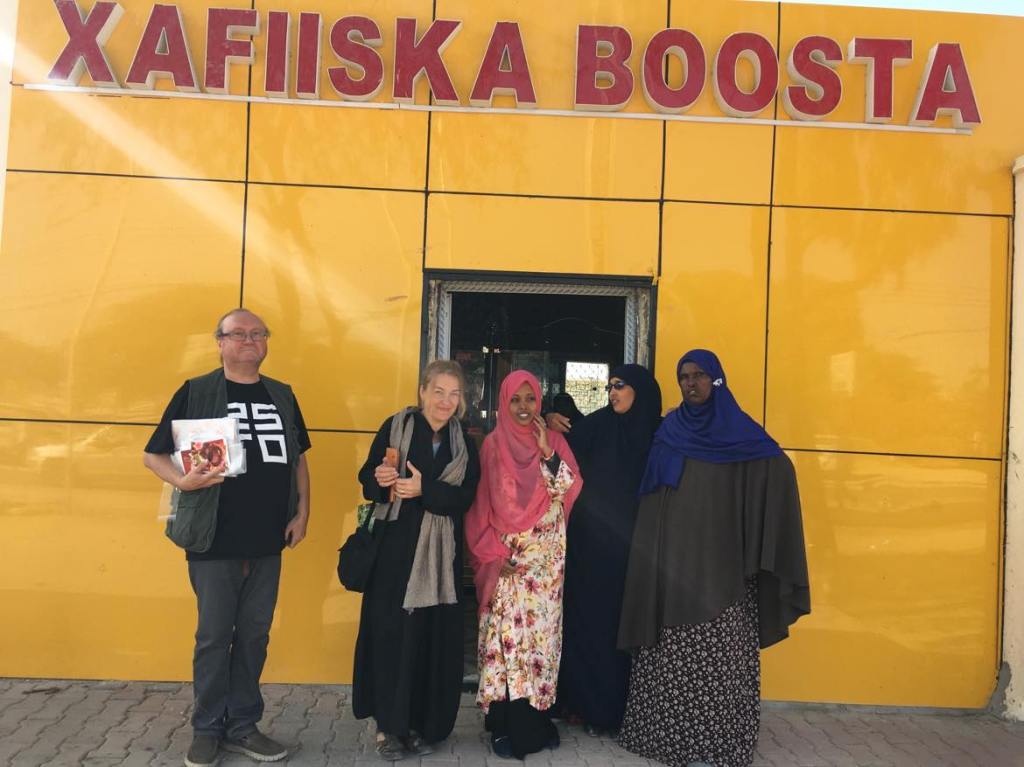
The building was new, yellow and open. The staff appeared slightly surprised to see us at first, but soon relaxed and welcomed our congratulations on the opening of the post office.
There were no post stamps available, and international mail was not possible. Only domestic mail was offered — and it was free within the country. Since we didn’t know anyone locally to send a postcard to, the gesture remained symbolic.
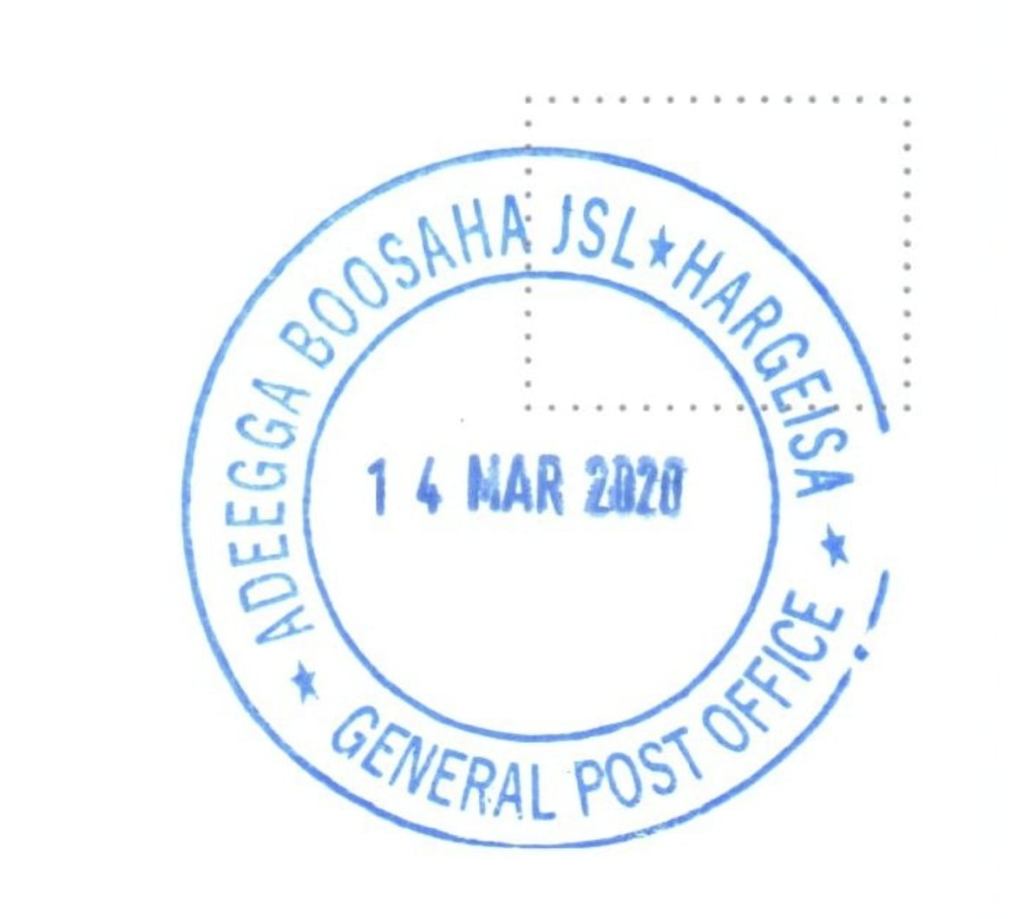
So we stamped the blank postcards we had brought with us using the new date stamp.
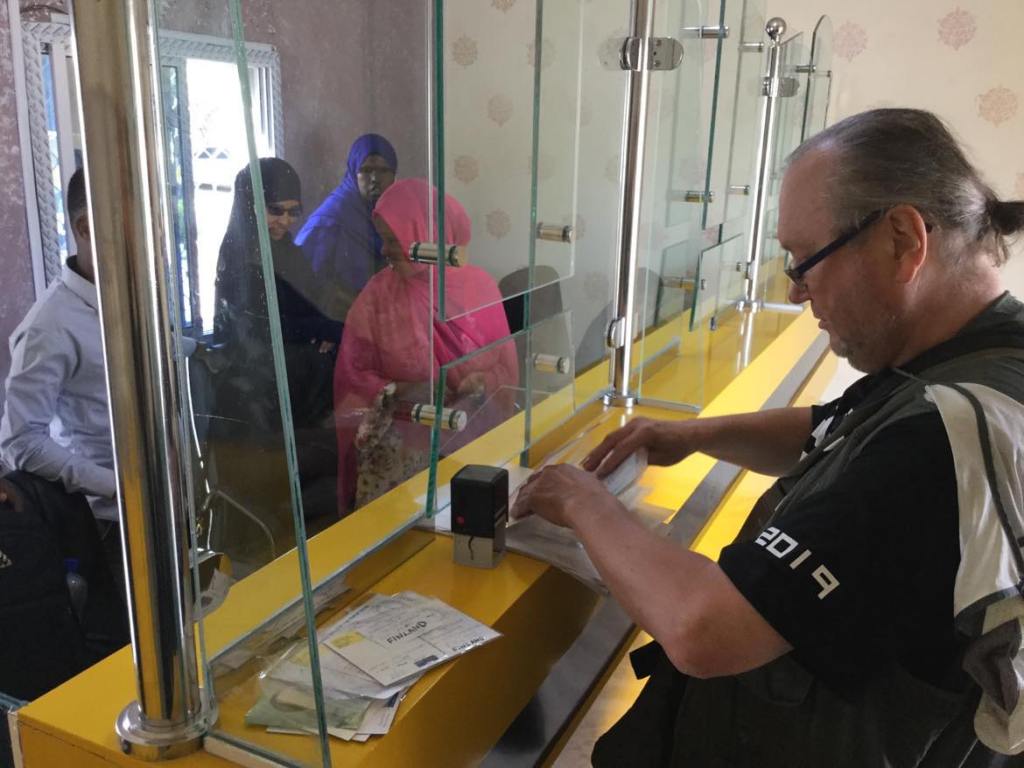
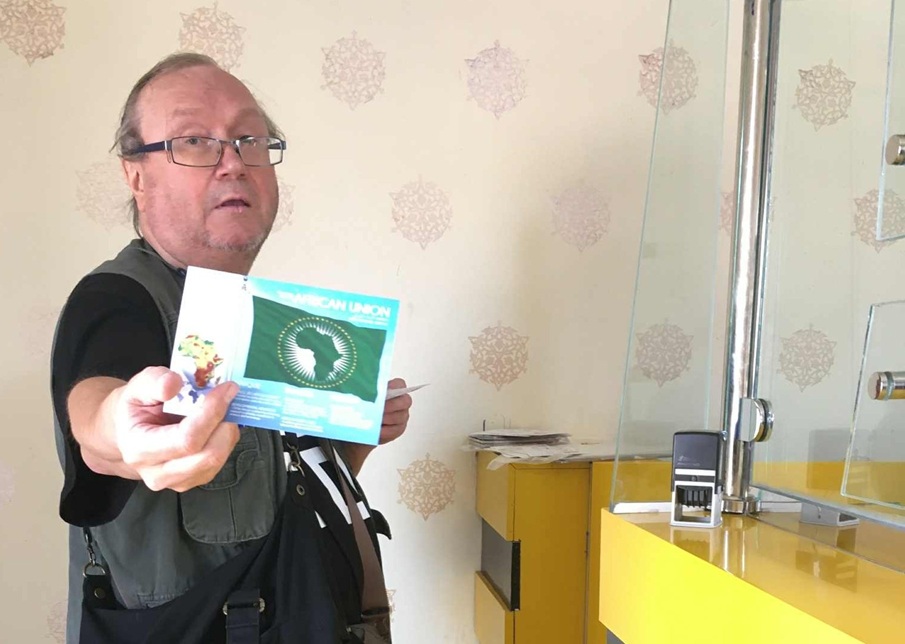
During our visit, we didn’t see many other tourists. With COVID-19 approaching and Somaliland rarely appearing on typical travel lists, the country wasn’t exactly popular at the time. It later became clear that caution, rather than unfriendliness, played a role. Outside the post office — especially in markets, including the camel market — reactions felt more reserved. White skin was often associated with the virus, and given how uneven access to protection was at the time, that response felt understandable.

One more thing worth mentioning: our luggage didn’t arrive with us in Somaliland. All our postcard supplies, stamps, and essentials were safely packed in our carry-on bags — except for the Kalev chocolate boxes from Estonia that we usually leave as small gifts at post offices. This was the one place where I especially wished we could have left something sweet behind.
When we returned to the airport, our suitcases finally appeared, just in time to be checked in for our next flight to Sudan — where the COVID-19 outbreak felt even closer, and reactions from both locals and the wider world were already beginning to shift. But that’s a story for another post… Sudan post.
The blank postcards we had stamped in Somaliland stayed with us in our carry-on luggage. We eventually sent them on their way from Europe, sealed in an envelope.
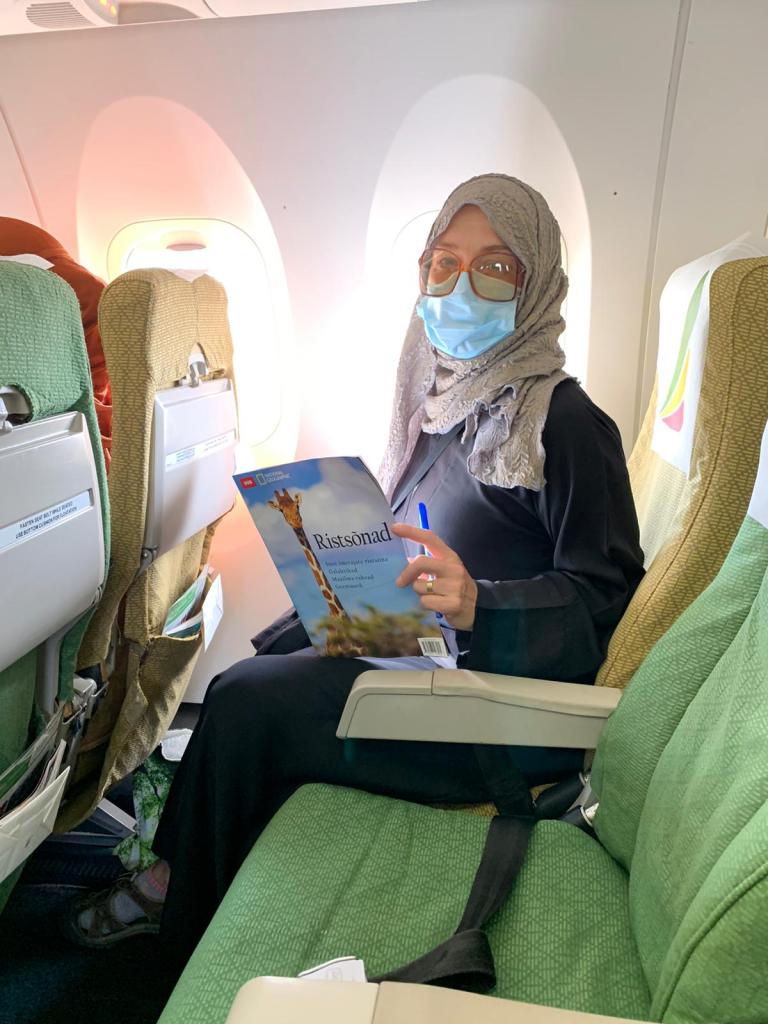
Farewell, Somaliland. We wish you peace, stability, and a future shaped on your own terms.
Note from 2025: This was the first post I wrote in what later became my post office diary series.
⚠️ Current situation note (December 2025): Somaliland operates domestic postal services, but international mail remains unavailable due to the lack of broad international recognition and an integrated postal system. In December 2025, Israel became the first country to officially recognize Somaliland as an independent state; however, this step has not yet resulted in changes to international postal operations.
If you’re interested in places where sending a postcard is more than just dropping it in a mailbox, you also might like my posts about North Korea or Pitcairn Island or Syria during the Assad era.
If you’d like to read future entries from this post office diary, you can subscribe here.
 Exploring the Unexpected